Indian Crew Member Killed in Hormuz Tanker Attack
Eight crew members were injured as attacks on two Emirati oil tankers deepened tensions around the Strait of Hormuz.


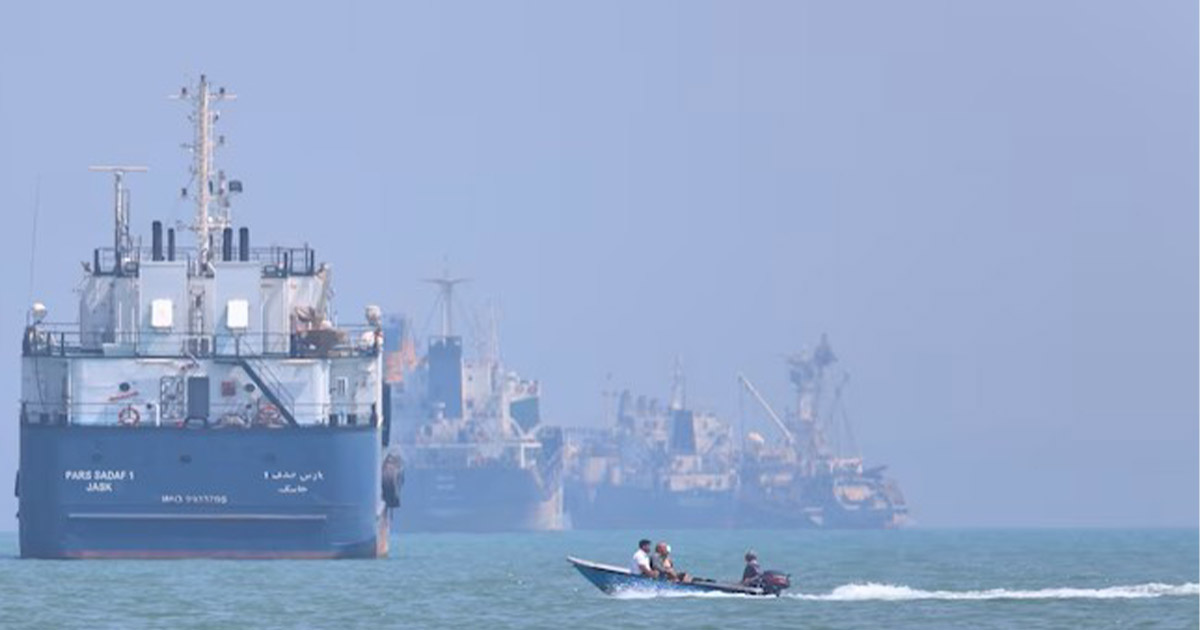
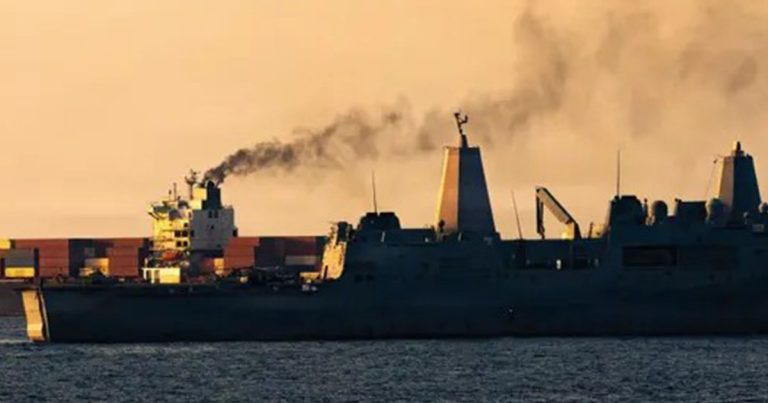
An Indian crew member has been killed and eight others wounded after missiles struck two Emirati oil tankers in the Strait of Hormuz, adding a deadly new dimension to the confrontation unfolding around one of the world’s most sensitive energy routes.
The tankers Mombasa and Al Bahiyah were targeted on Tuesday, July 14, while travelling through the southern shipping lane of the strait, the United Arab Emirates defence ministry said. The vessels were inside Oman’s maritime boundary when they were hit by what the ministry described as Iranian cruise missiles.
One Indian national working aboard the Mombasa died in the attack.
Six Indian and two Ukrainian crew members were injured. Four of them remain in serious condition, according to the ministry.
Both ships caught fire and suffered physical damage after the strikes. Emergency and fire-control teams have since brought the flames under control.
The attack has placed the vulnerability of civilian crews at the centre of the Hormuz crisis. Political and military confrontation in the region is now carrying a direct human cost for seafarers working aboard commercial vessels, many of them far from their home countries.
UAE warns of a decisive response
The UAE called the attack a serious breach of international law and a threat to regional security and stability.
Its defence ministry said the country reserved the right to take necessary measures to protect its sovereignty, citizens, residents and national interests.
Security systems have been placed on high alert over the possibility of further threats. The ministry also warned that any attempt to weaken the country’s security and stability would face a decisive response.
The warning, issued after a fatal attack in Omani waters, raises the risk of the crisis spreading beyond a confrontation between Iran and the United States. Commercial shipping, neighbouring states and foreign crews are increasingly being pulled into the danger.
Tension rises after new US military action
The tanker strikes came as the United States and Iran were already locked in an escalating contest over control of the Hormuz region.
Details of the incident emerged shortly after the US Central Command announced another phase of military operations against Iran.
The US military said its attacks were intended to weaken Iranian military capacity and stop assaults on civilian and commercial vessels in the Strait of Hormuz.
US President Donald Trump said operations against Iran would continue. He claimed Washington was working to reduce Iran’s offensive capability and regain control of the strategic waterway.
The sequence of military action, missile strikes and retaliatory warnings has left little room for de-escalation. Each new incident now carries the possibility of drawing more states directly into the confrontation.
Oil prices react immediately
The Strait of Hormuz is one of the most important maritime energy corridors in the world. Under normal conditions, nearly one-fifth of global crude oil and natural gas supplies pass through the route.
Brent crude rose 7.8 per cent to $81.92 a barrel as security conditions deteriorated.
The price remains below the level of around $120 reached at the height of the war, but continued instability could increase fuel and shipping costs across global markets.
For countries dependent on imported energy, the danger is not confined to whether the strait remains formally open. Repeated attacks, higher insurance risks and uncertainty over commercial movement can place pressure on prices even before shipping is fully disrupted.
The missile attack inside Oman’s maritime area, the death of a crew member and the UAE’s warning of retaliation have now pushed the Hormuz confrontation into a more dangerous and unpredictable stage.

Written by Pushpa Tamang
Pushpa Tamang is Managing Editor at Khoj Samachar, leading English and Nepali bureaus, newsroom operations, and editorial standards.
South Korean Sailor Found Dead Near Northern Sea Border
US-Iran Clash Raises Gulf Alarm After Drone Attacks
Iran-America War Update: Hormuz Strait Closed

Heavy Rain Triggers Landslides in Uttarakhand

Dalai Lama Birthday Controversy in Nepal: Tibet-China Risk Explained
Oil Prices Rise as US-Iran Tensions Flare

Is It Illegal for Nepalis to Get an Aadhaar or PAN Card in India?