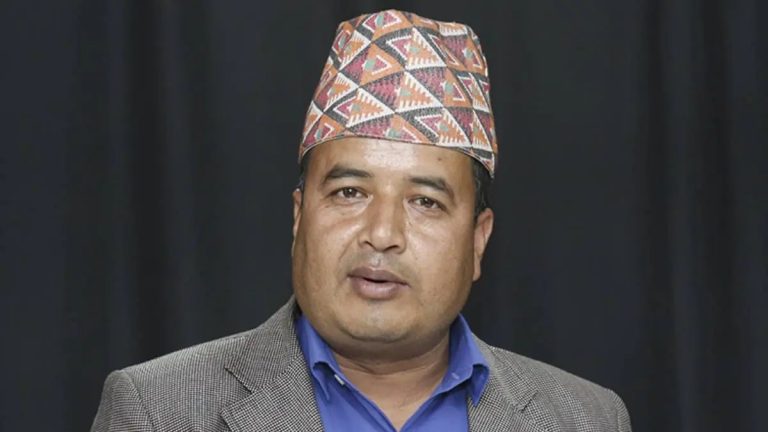
Prime Minister’s Office Like Hitler’s Gas Chamber: Lawmaker
The CPN lawmaker questioned the government's handling of public services, constitutional institutions, education, inflation and diplomatic affairs during a National Assembly address.


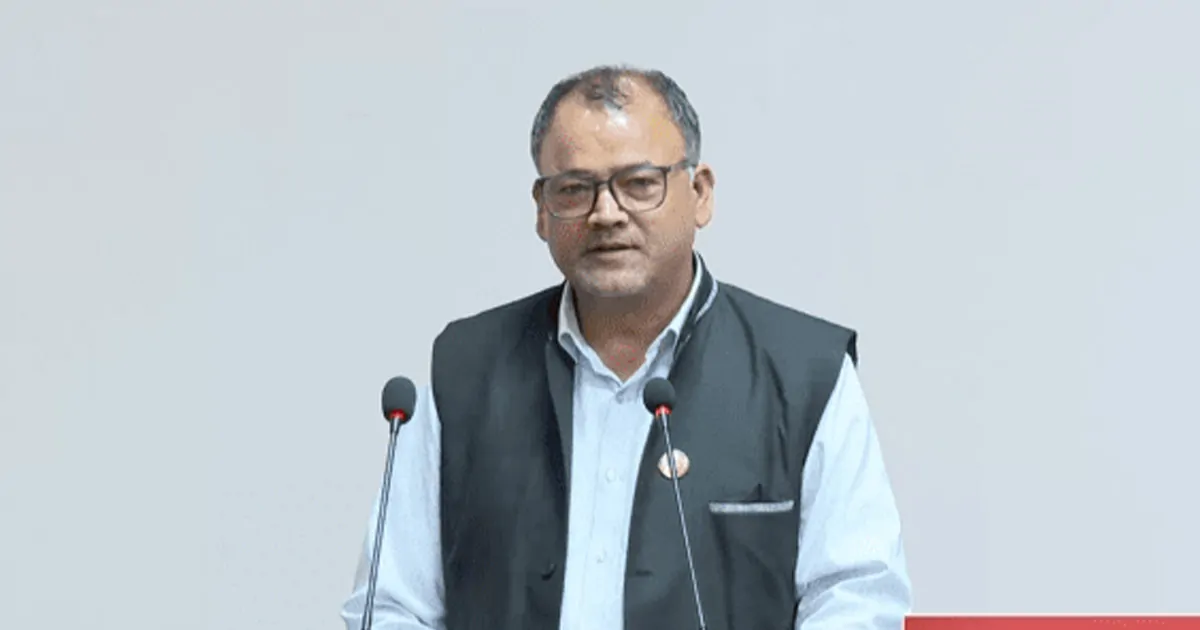
The government came under sustained criticism in the National Assembly on Monday as CPN lawmaker Nara Bahadur Bista accused it of prioritising political control over solving the problems people face in their daily lives. Speaking during the special hour, he argued that public frustration is growing because promises of good governance have not translated into improvements in education, agriculture, inflation control or public services.
He said the debate around governance has increasingly become disconnected from the realities experienced by ordinary citizens, urging the government to focus on practical outcomes rather than political messaging.
Questions over appointments and administrative conduct
Bista said the country’s education sector, from schools to universities, has slipped into disorder. Referring to the appointment of university vice-chancellors, he alleged that influence and political access have begun to outweigh merit and transparency in key academic decisions.
He also criticised the Office of the Prime Minister and Council of Ministers, accusing it of exerting pressure on the heads of constitutional bodies. In one of his sharpest remarks, Bista likened the Prime Minister’s Office to “Hitler’s gas chamber,” claiming senior officials were being intimidated rather than allowed to function independently.
He further referred to an incident in which the Chief of Army Staff was allegedly kept waiting for a meeting with the Prime Minister before returning without the meeting taking place. According to Bista, the episode reflected poorly on the government’s administrative maturity and institutional conduct.
Concerns over public spending and economic pressures
The lawmaker also questioned reports that ministers’ secretariats were preparing to appoint a large number of advisers despite growing pressure on public finances.
He argued that such decisions would place an unnecessary burden on taxpayers at a time when state resources remain limited.
Bista said soaring prices continue to affect households, while farmers are still struggling to obtain fertiliser and seeds on time. Students, he added, are also facing shortages of essential textbooks, showing that basic public services remain neglected despite repeated commitments to good governance.
He also accused the government of failing to respond seriously to the demands of cooperative fraud victims, saying stronger state intervention is needed to protect the savings of ordinary citizens.
Criticism extends to RSP and foreign policy
Bista directed criticism at the Rastriya Swatantra Party as well, questioning its organisational structure and membership process. He claimed children had been enrolled as party members and challenged the party to clarify the matter publicly. He also mocked its internal democratic practices and convention process.
Turning to foreign affairs, Bista said Nepal’s diplomatic engagement appeared to be weakening. Referring to the passport-related controversy, he warned that such disputes risk damaging Nepal’s international image and urged the government to handle sensitive diplomatic matters with greater responsibility.
He also claimed that the Constitution was facing pressure from multiple directions and said safeguarding it should remain a shared responsibility of all political parties and citizens.
Concluding his remarks, Bista said Nepal’s political challenges would not be resolved through insults exchanged on social media. Instead, he called on the government to pursue dialogue, political consensus and diplomatic understanding as the path toward addressing national concerns.

Written by Roshan Shrestha
Roshan Shrestha is a journalist, author, and digital entrepreneur. He is the founder and editor-in-chief of Khoj Samachar and works in investigative and public-interest journalism, focusing on anti-corruption reporting, transparency, and youth-driven civic engagement through fact-based digital media. He was born in Bahrabise, Nepal.
Speaker Aryal: Learn Parliament, Not Your Phone
Four Former PMs Share Stage at Madan Bhandari Event
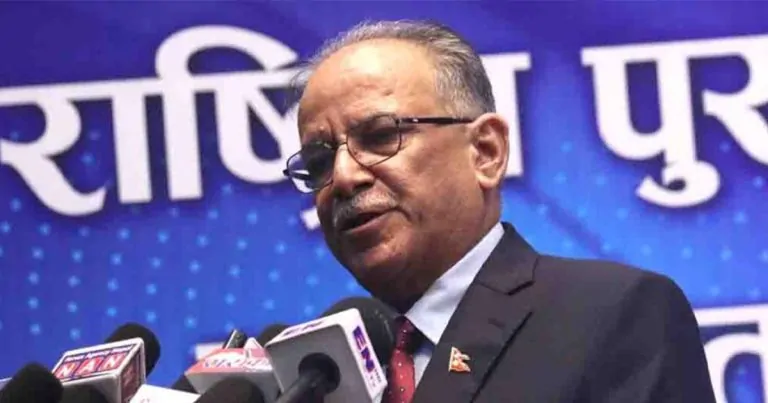
Prachanda Urges Left Unity at Bhandari Anniversary
Ramji Yadav Faces Scrutiny After Party Election Loss
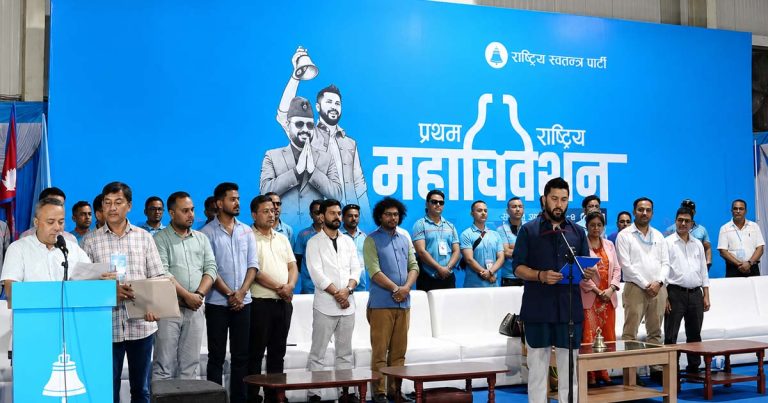
RSP Elects Rabi, Swarnim, Sobita and Bipin to Top Posts
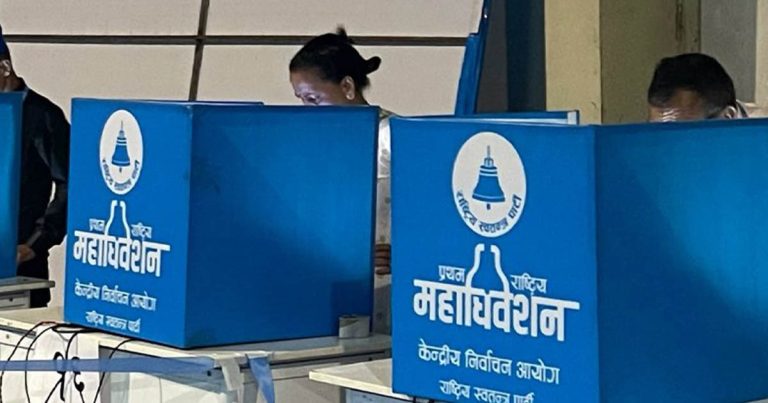
RSP Central Committee Elected Members List 2026

Why Was Sudan Gurung Criticized Despite Doing the Right Thing?