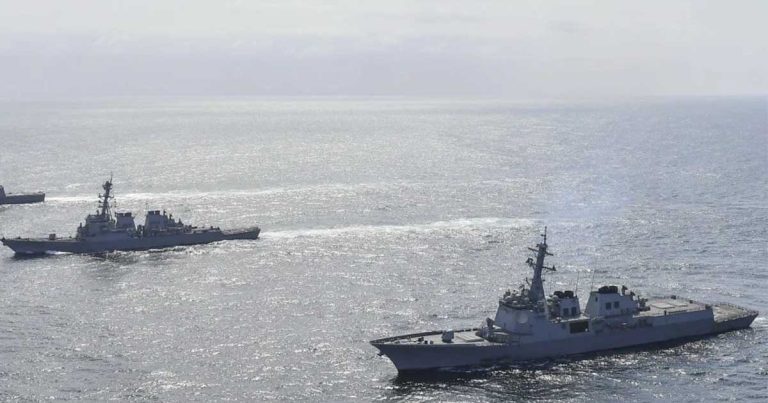
Israel-Iran Strikes Raise Middle East Tensions
Fresh missile exchanges, retaliatory strikes and rising oil prices have intensified concerns over regional stability as diplomatic efforts face renewed pressure.



Fresh military exchanges between Israel and Iran on Monday have renewed concerns that the region could be pushed toward a broader conflict at a time when diplomatic efforts remain fragile. Missile launches, retaliatory strikes and heightened military alerts have once again placed the Middle East on edge, with governments and markets closely watching the situation.
Iranian state broadcaster IRIB said an Israeli strike targeted the Najafabad area of Isfahan Province. Local security officials said there were no casualties despite the attack.
Israel’s military said its senior leadership was directly overseeing ongoing operations. Chief of Staff Eyal Zamir and other top commanders were reported to be continuously assessing developments and preparing for further action if required.
War of Statements Between Tehran and Tel Aviv
Israeli officials accused Iran of making a serious mistake and warned of consequences. National Security Minister Itamar Ben-Gvir called for a tougher response, reflecting growing pressure within Israel for stronger military action.
Iran, for its part, rejected claims linking it to any attack on Saudi Arabia’s Al-Kharj air base. The denial came after missile-related security warnings in Saudi Arabia triggered speculation about possible regional spillover.
The exchange of accusations highlights a broader concern in the region: even limited military actions now carry the risk of drawing additional countries into an already tense security environment.
Missile From Yemen Intercepted
Israeli media reported that a missile launched from Yemen was intercepted by Israel’s air defence systems before reaching its target.
Authorities later allowed residents to leave protected shelters after the threat was neutralised.
The incident underlined how multiple fronts remain active around Israel, complicating efforts to contain any confrontation between Tehran and Tel Aviv.
Pressure on Diplomatic Efforts
US President Donald Trump said recent developments would not derail ongoing talks with Iran. American media outlets stated that Trump had urged Israeli Prime Minister Benjamin Netanyahu to avoid additional military strikes.
Negotiations between Washington and Tehran are focused on reducing regional tensions, addressing disputes linked to Iran’s nuclear programme and exploring possible understandings regarding economic sanctions.
Yet several difficult issues remain unresolved, including Lebanon, Hezbollah and wider regional security concerns. Those questions continue to cast uncertainty over the future of any diplomatic breakthrough.
Oil Prices React Quickly
Global energy markets responded almost immediately to the renewed military tensions.
- Brent crude rose by around 3.6 percent, climbing above $96 per barrel.
- West Texas Intermediate (WTI) gained more than 3 percent.
Analysts point to fears of potential disruptions in energy supplies as a major factor behind the price increases.
Regional Stability Faces Another Test
The latest exchange between Israel and Iran has again exposed how quickly security conditions in the Middle East can deteriorate. While diplomatic channels remain open, continued military responses from both sides are raising concerns that a localized confrontation could evolve into a wider regional crisis.
For now, the absence of major reported casualties may have prevented an immediate escalation. But with military forces on alert, negotiations under pressure and energy markets reacting sharply, the region remains in a period of heightened uncertainty.

Written by Roshan Shrestha
Roshan Shrestha is a Nepali investigative journalist and founder of Khoj Samachar, covering corruption, transparency, and public-interest issues.
Sonam Wangchuk Update: Forced to Hospital, Says Abhijeet Dipke

Attack Was Attempted on Sonam Wangchuk, Says Abhijeet Dipke

Sonam Wangchuk Vows to Survive Hunger Strike Until July 20
US Attacks Iran Again as Fighting Enters Sixth Night
Jordan Shoots Down Eight Iranian Missiles
US House Passes Permanent Daylight Saving Time Bill
Indian Crew Member Killed in Hormuz Tanker Attack