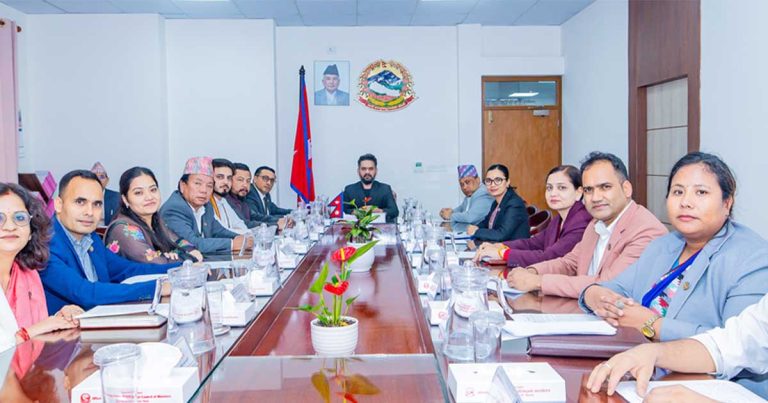
UML, Harka Sampang Seek PM’s Border Clarification
UML has renewed its demand for an apology, while MP Harka Sampang says the prime minister must personally explain his statement on Nepal-India border issues.


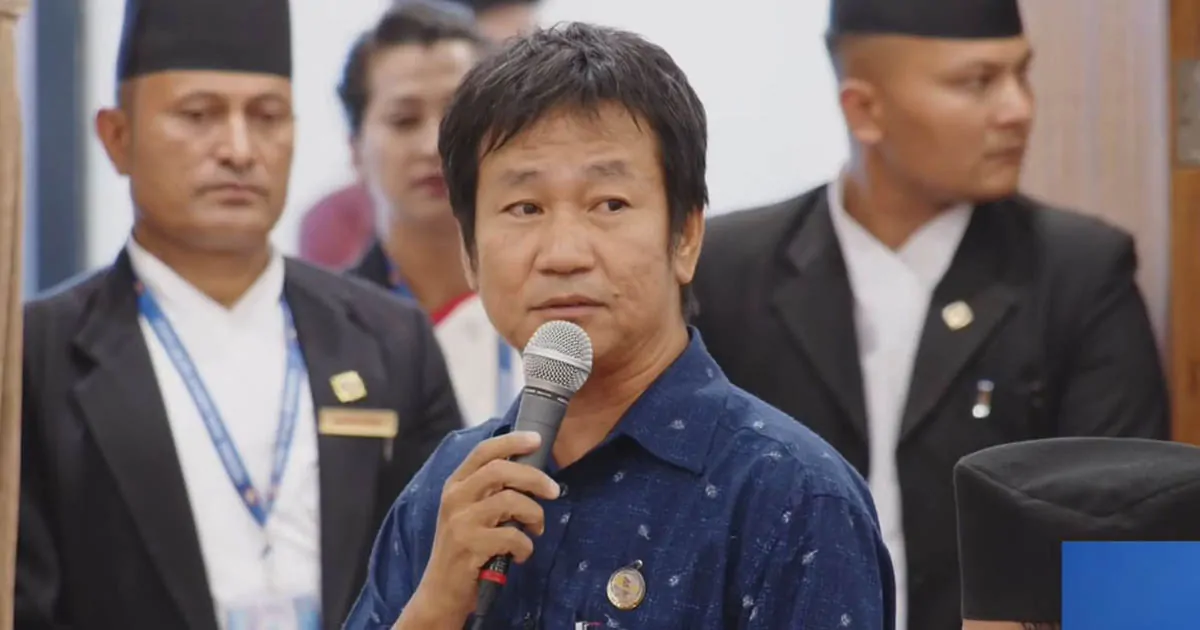
Questions surrounding Prime Minister Balen Shah’s statement on the Nepal–India border dispute are continuing to dominate proceedings in the House of Representatives, with both opposition lawmakers and smaller parties insisting that the prime minister personally address the issue.
The dispute has moved beyond routine parliamentary criticism and is increasingly being framed as a matter tied to national sovereignty, public trust and the government’s accountability to Parliament. As pressure grows, lawmakers are demanding a direct explanation from the prime minister rather than responses from other members of the government.
Harka Sampang Calls for Direct Response
Speaking during the emergency hour of Monday’s House meeting, lawmaker Harka Sampang said the prime minister himself must clarify the controversial remarks.
Sampang argued that the statement had created confusion among the public and that any correction or explanation should come directly from the person who made it. He also raised concerns about border security, saying the issue should be treated as a serious national matter.
He stressed the need for stronger deployment of the Nepal Army in border monitoring and protection, linking the current debate to broader concerns about territorial security.
Sampang also questioned the basis of the claim that Nepal had encroached upon Indian territory in certain areas. He challenged the government to publicly present facts supporting such an assertion. If no evidence exists, he said, the prime minister should correct his statement and clearly communicate his position to the Nepali people.
UML Repeats Demand for Apology
The issue once again disrupted the start of Monday’s parliamentary session as the CPN-UML and other opposition parties protested against the prime minister’s earlier remarks.
Addressing the House, UML Deputy Parliamentary Party Leader Padma Aryal described the statement as diplomatically inappropriate and contrary to Nepal’s national interest.
She said comments concerning sovereignty and territorial integrity cannot be dismissed as a simple mistake. Aryal reiterated her party’s demand that the prime minister publicly withdraw the statement and issue an apology.
Recalling the broad political consensus that existed when Nepal published its updated national map incorporating disputed territories, she said matters related to national identity and territorial claims should remain above partisan politics.
How the Dispute Began
The controversy stems from remarks made by Prime Minister Shah in the House of Representatives on May 31. During discussions on Nepal–India border issues, he said the dispute should be resolved through diplomatic dialogue.
In the same speech, Shah stated that after becoming prime minister he had learned that Nepal had also encroached on Indian land in certain places, not only the other way around.
That statement immediately drew objections from the UML, which has maintained that the prime minister must either substantiate the claim or retract it. The party has indicated that its parliamentary protest will continue until the issue is addressed.
The continued deadlock has turned a single parliamentary remark into a wider political test for the government, with lawmakers across party lines now demanding a formal and unambiguous response from the prime minister himself.

Written by Pushpa Tamang
Pushpa Tamang is Managing Editor at Khoj Samachar, leading English and Nepali bureaus, newsroom operations, and editorial standards.
What Did Gyanendra Shahi Say to His Trolls?
Sobita Gautam Leads Nepal’s 166-Bill Legal Reform Drive
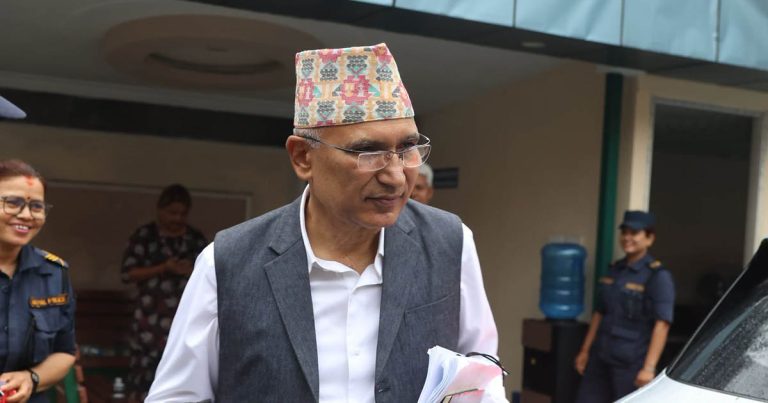
Bishnu Paudel Released Without Bail by Special Court
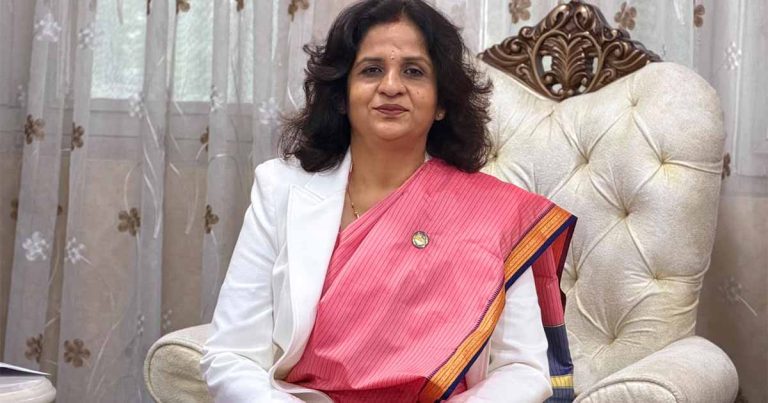
Industry Ministry Recovers Rs 467 Million in Unpaid Rent

Rekha Thapa Criticises Taxes, Says ‘Swarnim Nepal’
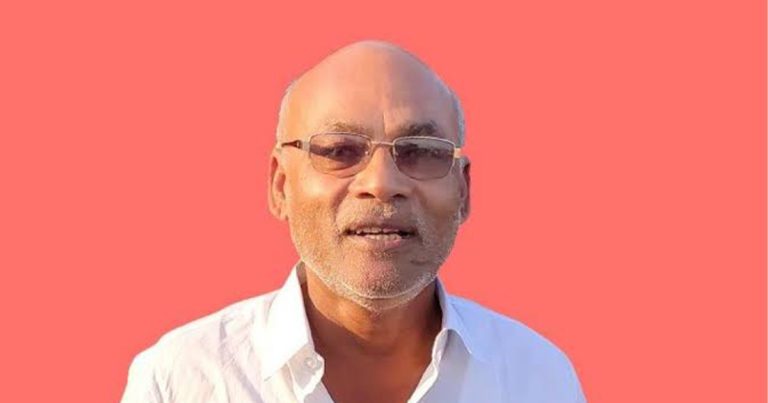
Supreme Court Orders Immediate Release of Former UML MP Koiri
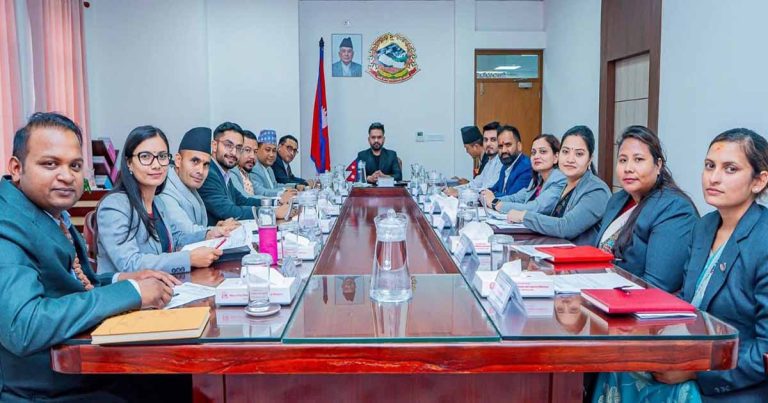
Government Restores Personal Secretary Facility for Lawmakers