
Cockroach Janta Party Plans Nationwide Protest
Abhijeet Dipke has given the government seven days to respond to demands over education and recruitment issues, warning of a wider movement if no action is taken.


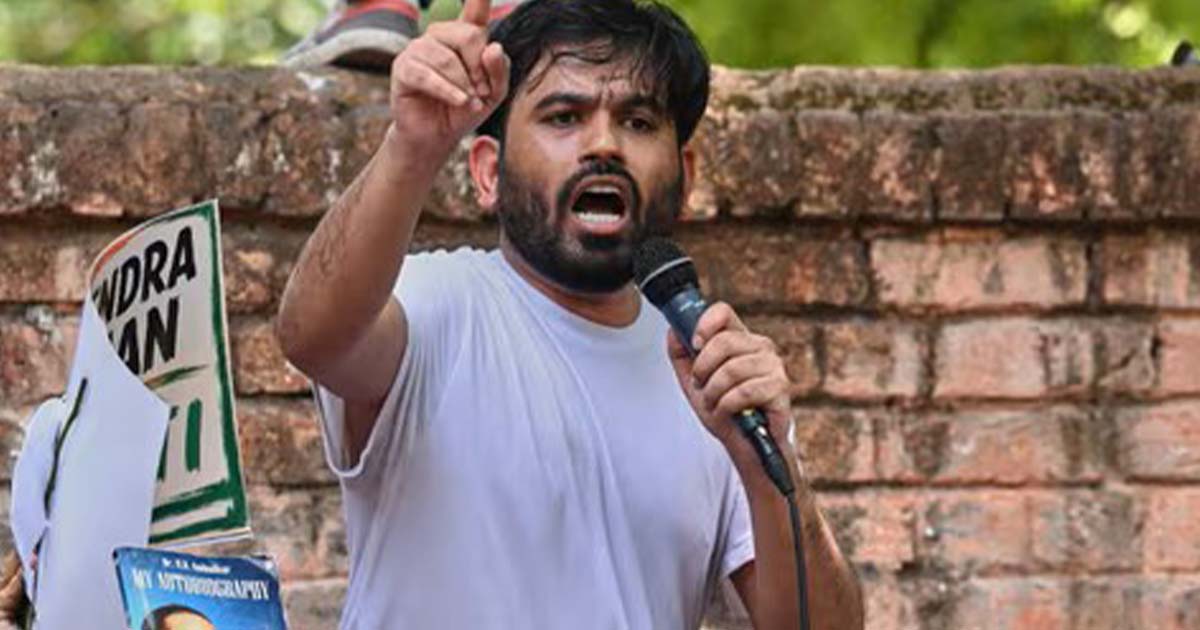
A day after drawing a large crowd to Jantar Mantar in New Delhi, the Cockroach Janta Party (CJP) has indicated that its campaign over education and recruitment-related grievances is moving into a wider national phase.
Party founder Abhijeet Dipke thanked supporters following the demonstration and said the turnout reflected a growing willingness among young people to publicly challenge what they see as failures in the education system. Many participants, he said, had never joined a street protest before, but the collective presence gave them confidence to voice frustrations that had long remained private.
The gathering brought together students, competitive exam aspirants, parents, working professionals and social activists. Some participants travelled from outside Delhi to attend. Protesters wearing symbolic cockroach masks raised slogans demanding accountability in education administration and action on issues ranging from examination irregularities to delays in recruitment processes and unemployment.
Seven-Day Deadline for the Government
The central demand of the Cockroach Janta Party is the resignation of Union Education Minister Dharmendra Pradhan.
The party has accused the government of failing to ensure transparency and accountability in examination management, recruitment systems and educational institutions. CJP leaders have given a seven-day deadline for action and warned that a new phase of protests will be announced if there is no response from the government or the minister.
Dipke has also said that the movement’s next strategy will be shared directly with supporters through social media platforms.
From Online Campaign to Street Mobilisation
The Delhi protest marked an important moment for a movement that began only months ago as a social media campaign. What initially appeared to many as a satirical initiative has gradually evolved into a pressure group focused on education and employment concerns.
The group’s rise reflects a wider sense of frustration among sections of India’s youth over examinations, recruitment delays and job opportunities. Organisers have consistently argued that these concerns are no longer isolated individual complaints but part of a broader public issue demanding political attention.
The Delhi mobilisation was presented by the party as an effort to convert its online support base into an organised public movement.
Heavy Security Deployment
Authorities maintained extensive security arrangements around the protest.
Large numbers of police and paramilitary personnel were deployed at Jantar Mantar and other sensitive locations across Delhi. Surveillance was also increased at airports, railway stations, bus terminals and border entry points in anticipation of the gathering.
After the protest, security around Abhijeet Dipke’s residence in Maharashtra was also strengthened, according to local administrative officials.
Political Reactions Begin to Emerge
The protest has started drawing responses from political figures as it gains national attention.
Haryana minister Anil Vij said that everyone has the right to raise their voice in a democracy but suggested that the party reconsider the use of the word “cockroach” in its name.
The Cockroach Janta Party, however, has continued to defend its name and symbol, describing them as representations of neglect, resilience and the struggles faced by young people who feel unheard by institutions.
What Comes Next
The party has signalled that a broader nationwide programme could follow once the seven-day deadline expires.
Its leadership argues that dissatisfaction over education and employment has moved beyond social media discussions and is increasingly taking the shape of organised public action. Whether the government opens a dialogue or addresses the demands remains uncertain, but the movement’s organisers insist that the campaign will continue to expand if no meaningful response is forthcoming.

Written by Pushpa Tamang
Pushpa Tamang is Managing Editor at Khoj Samachar, leading English and Nepali bureaus, newsroom operations, and editorial standards.
Sonam Wangchuk Update: Forced to Hospital, Says Abhijeet Dipke
Attack Was Attempted on Sonam Wangchuk, Says Abhijeet Dipke
Sonam Wangchuk Vows to Survive Hunger Strike Until July 20

US Attacks Iran Again as Fighting Enters Sixth Night

Jordan Shoots Down Eight Iranian Missiles
US House Passes Permanent Daylight Saving Time Bill

Indian Crew Member Killed in Hormuz Tanker Attack