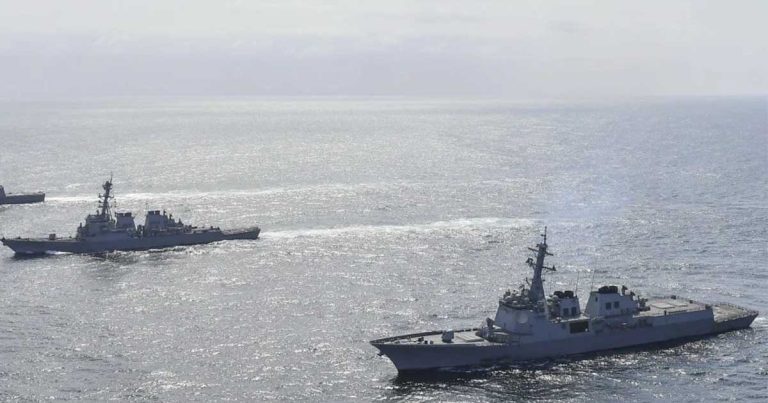
Oman Stops Oil Loading After Terminal Blast
Oil loading operations were halted at Oman’s key export terminal after an explosion near a tanker mooring point, raising concerns over regional energy security and maritime stability.


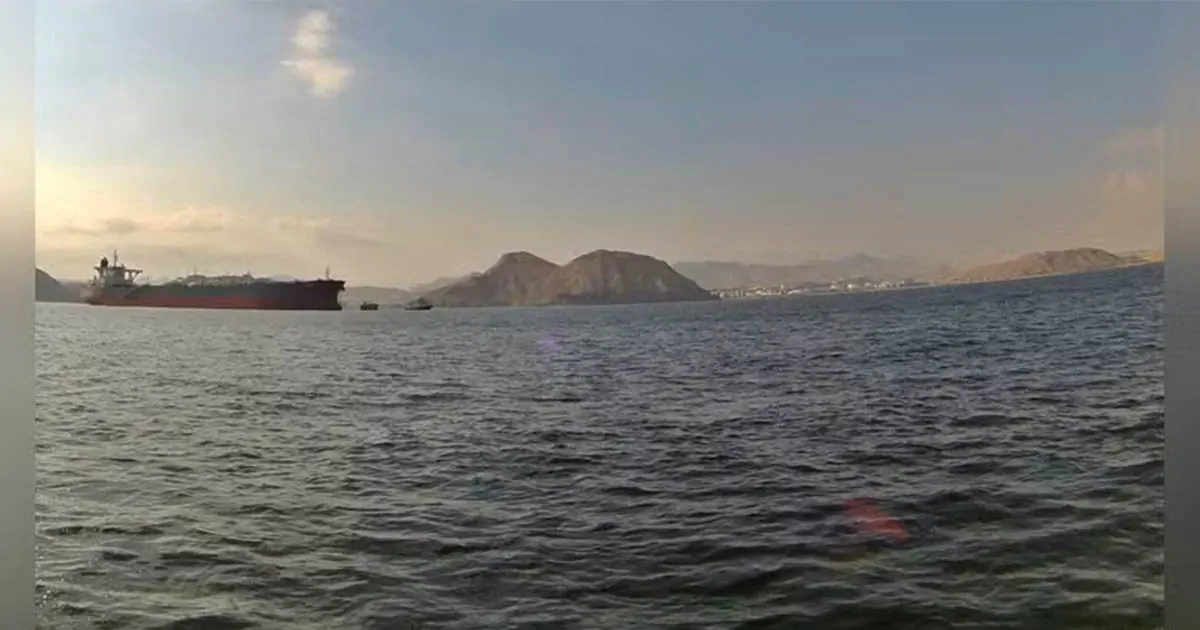
A disruption at one of Oman’s most important crude oil export hubs has drawn fresh attention to energy security in the Gulf region after an explosion near loading infrastructure forced a temporary halt to crude shipments.
Loading operations at Mina Al Fahal, a major crude oil export terminal on Oman’s coast, were suspended following the incident near a Single Buoy Mooring (SBM) berth used by oil tankers. The development comes at a time when global energy markets remain sensitive to any threat affecting supply routes in the Middle East.
Initial information circulating after the blast raised the possibility of a drone attack, though no official confirmation has been issued. Authorities have not publicly disclosed when the incident occurred, and details about the cause remain limited.
Shipping data showed several large crude oil tankers waiting outside the port on Friday as loading activities remained interrupted.
Strategic Importance of Mina Al Fahal
Mina Al Fahal serves as one of Oman’s principal crude oil export facilities. Any prolonged disruption at the terminal could increase concerns about regional oil supplies and add pressure to international energy markets.
The terminal’s location in the Gulf of Oman gives it particular strategic significance. Unlike facilities deeper inside the Persian Gulf, it occupies a position that has long been viewed as important for regional energy logistics and maritime trade.
The incident has therefore been viewed not only as a disruption to infrastructure but also as a development with broader security implications for the region.
Questions Over Regional Stability
Oman has traditionally maintained a distinct role in regional diplomacy, often serving as a channel of communication between the United States and Iran during periods of heightened tension.
For years, Muscat has managed to preserve working relations with competing regional and international actors. Any instability affecting Omani territory or critical infrastructure is likely to attract attention beyond the energy sector.
Analysts are closely watching whether the incident has wider implications for diplomatic efforts that rely on Oman’s position as one of the few trusted intermediaries in the region.
Cause and Damage Yet to Be Clarified
Officials have not released a detailed assessment of the damage, and there is still no clear timeline for when the terminal will fully resume operations.
The uncertainty has left energy traders and security observers focused on developments in the Gulf of Oman as they wait for further information about the blast and its impact on crude oil exports.

Written by Pushpa Tamang
Pushpa Tamang is Managing Editor at Khoj Samachar, leading English and Nepali bureaus, newsroom operations, and editorial standards.
Sonam Wangchuk Update: Forced to Hospital, Says Abhijeet Dipke

Attack Was Attempted on Sonam Wangchuk, Says Abhijeet Dipke

Sonam Wangchuk Vows to Survive Hunger Strike Until July 20
US Attacks Iran Again as Fighting Enters Sixth Night
Jordan Shoots Down Eight Iranian Missiles
US House Passes Permanent Daylight Saving Time Bill
Indian Crew Member Killed in Hormuz Tanker Attack