UML Criticizes Manoj Sharma Chief Justice Recommendation
Opposition leaders question the recommendation of Manoj Kumar Sharma after three senior Supreme Court judges were bypassed


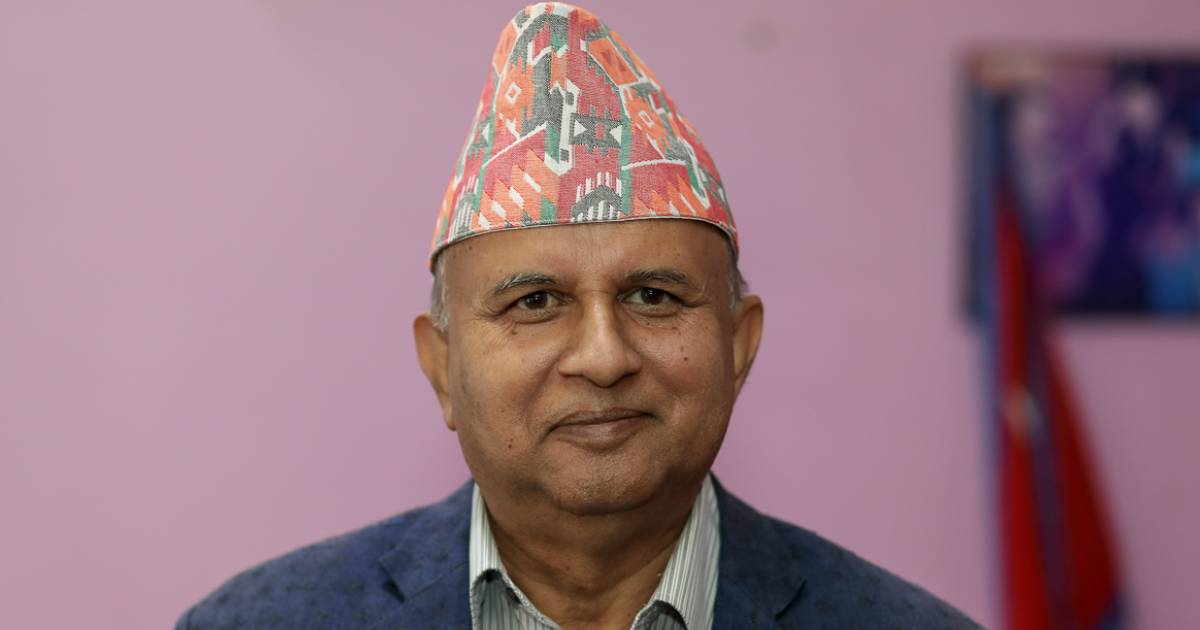
Nepal’s main opposition party has strongly criticized the recommendation of Justice Manoj Kumar Sharma for the post of Chief Justice, saying the decision raises serious questions about the government’s intentions toward the judiciary.
The reaction came after the Constitutional Council recommended Sharma for the country’s top judicial position on Thursday, bypassing three senior judges of the Supreme Court.
The move immediately triggered political debate, with opposition leaders arguing that the decision could weaken the principle of judicial independence and disrupt the balance of power in the parliamentary system.
The controversy has also drawn attention because the Constitutional Council meeting was held after parliament had already been summoned through an ordinance process, something opposition figures claim was not merely procedural but politically motivated.
Opposition Questions Seniority Bypass in Chief Justice Recommendation
General Secretary Shankar Pokharel of the Communist Party of Nepal (UML) publicly objected to the recommendation through a social media statement, saying it was unusual and concerning that the fourth-ranked Supreme Court justice had been chosen over three more senior judges.
According to Pokharel, such a decision in an institution as important as the judiciary sends a troubling signal about the government’s approach toward independent constitutional bodies.
He argued that the recommendation was not a routine administrative matter but a political decision with wider implications for the country’s democratic system.
Claims of Growing Political Influence Over Judiciary
Pokharel accused the government of attempting to bring the judiciary within its sphere of influence instead of respecting it as an independent institution.
He said that although courts in the past had often faced allegations of politicization, judicial activism in political cases had generally appeared to challenge governments rather than support them.
However, he claimed the current administration was trying to establish judicial alignment in its favor from within the court system itself.
The UML leader warned that such trends could weaken democratic checks and balances and create long-term institutional risks for the country.
Constitutional Council Decision Sparks Debate
The Constitutional Council decided to recommend Justice Manoj Kumar Sharma for appointment as Chief Justice during its meeting held on Thursday.
The recommendation came despite the presence of three senior judges ahead of Sharma in the Supreme Court hierarchy.
Those overlooked in the recommendation process were Acting Chief Justice Sapana Pradhan Malla, Kumar Regmi, and Hari Prasad Phuyal.
The decision has become a major political issue because judicial seniority is often considered an important factor in appointments to the country’s highest judicial office.
- Justice Manoj Kumar Sharma was recommended for Chief Justice.
- Three senior judges were bypassed in the process.
- The recommendation was made by the Constitutional Council.
- Opposition leaders described the move as politically concerning.
Dissent Recorded During the Meeting
The decision inside the Constitutional Council was not unanimous.
National Assembly Chair Narayan Prasad Dahal and Bishmaraj Angdembe, parliamentary party leader of the Nepali Congress in the opposition bloc, reportedly registered notes of dissent during the meeting.
Their objections added another layer of controversy to the recommendation process, showing that concerns were also raised from within the council itself.
The dissent notes reflected disagreement over both the recommendation and the broader process followed during the meeting.
Questions Raised Over Ordinance and Timing
Pokharel also linked the judicial appointment controversy to the government’s recent ordinance-related decisions.
He argued that the use of an ordinance to convene the Constitutional Council after parliament had already been summoned suggested the matter involved more than a technical or procedural necessity.
According to him, the sequence of political events indicates deliberate planning connected to the judicial recommendation.
The UML leader said the latest developments should be viewed carefully because they involve institutions that are central to the democratic system and constitutional governance.
Warning Against Weakening Democratic Balance
In his statement, Pokharel warned that attempts to influence the judiciary could damage the principle of separation of powers that underpins parliamentary democracy.
He argued that weakening independent institutions may gradually push the country toward a more centralized and less accountable political environment.
The opposition leader also referred to past political events and said the country had still not fully recovered from earlier institutional disputes and controversial political practices.
Without naming specific incidents in detail, he suggested that failure to challenge such trends in time could result in broader consequences for society and the state in the future.
Judicial Appointment Becomes Major Political Flashpoint
The recommendation of Justice Manoj Kumar Sharma has now emerged as a major political and constitutional issue, with debate focused not only on the individual appointment but also on the broader relationship between the executive branch and the judiciary.
The opposition’s criticism highlights growing concern over how constitutional appointments are being handled and whether established conventions, including judicial seniority, are being respected.
As discussions continue, the appointment process is likely to remain under close political and public scrutiny, particularly because the position of Chief Justice plays a critical role in maintaining confidence in the country’s legal and constitutional system.


Written by Roshan Shrestha
Roshan Shrestha is a Nepali investigative journalist and founder of Khoj Samachar, covering corruption, transparency, and public-interest issues.
Prime Minister’s Office Like Hitler’s Gas Chamber: Lawmaker
Speaker Aryal: Learn Parliament, Not Your Phone
Four Former PMs Share Stage at Madan Bhandari Event
Prachanda Urges Left Unity at Bhandari Anniversary

Ramji Yadav Faces Scrutiny After Party Election Loss
RSP Elects Rabi, Swarnim, Sobita and Bipin to Top Posts
RSP Central Committee Elected Members List 2026