Nepali Congress Criticizes Riverbank Evictions
Opposition raises concerns over forced removal of settlements and treatment of displaced residents in holding centers


A major political dispute has emerged over the government’s recent eviction drive targeting informal settlements along riverbanks in the capital.
The opposition has strongly criticized the operation, accusing authorities of acting in an insensitive and forceful manner while displacing vulnerable communities without proper safeguards.
The controversy centers on the removal of settlements along key river corridors, where residents described as landless and unmanaged occupants were cleared by the state.
The developments have raised concerns over human rights, governance practices, and the balance between law enforcement and humanitarian responsibility.
Opposition Expresses Shock Over Eviction Drive
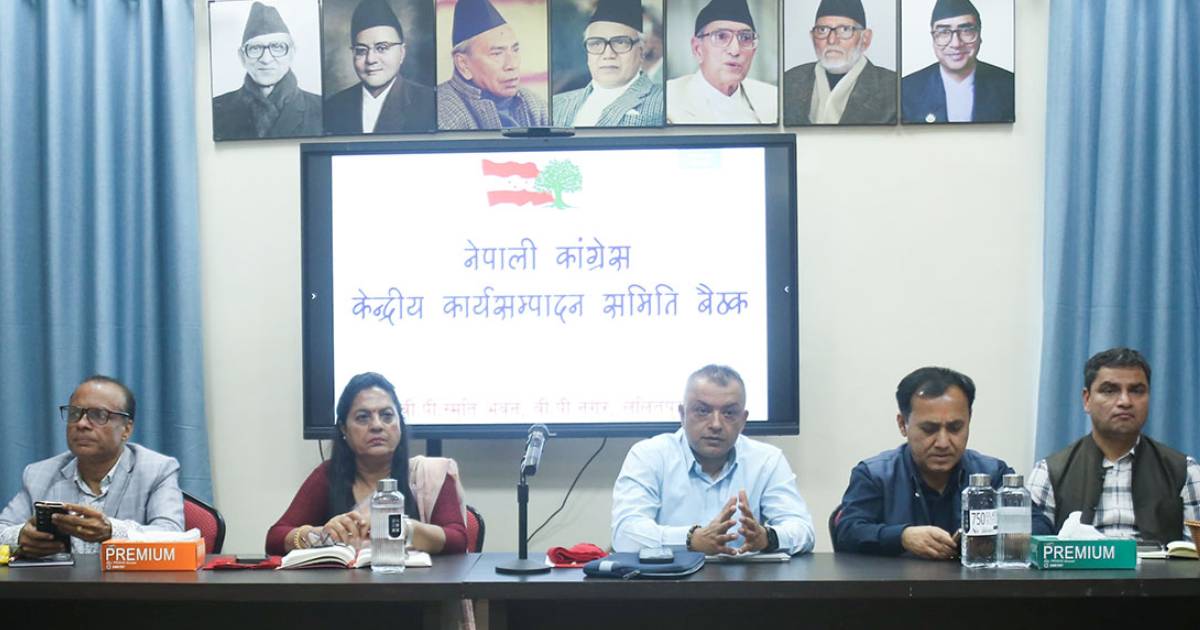
The main opposition party has said it was deeply disturbed by the way the eviction process was carried out. In a decision made during a central working committee meeting on Monday, the party condemned what it described as harsh and insensitive treatment of citizens.
According to the statement, authorities allegedly used threats, forceful removal, and strict control measures while clearing settlements. The destruction of religious sites and educational institutions during the process has further intensified criticism.
The party said it was difficult to imagine that a government formed through public mandate could act in such a manner toward its most vulnerable citizens.
Evictions Target Riverbank Settlements
The government had initiated the removal of settlements along major riverbanks, including areas surrounding Bagmati, Bishnumati, and Dhobikhola rivers.
These areas have long been occupied by informal settlers, including both genuine landless individuals and others accused of occupying public land unlawfully.
Officials have maintained that the operation was part of efforts to reclaim public land and manage urban development. However, the manner in which the process unfolded has sparked political and social debate.
The opposition has not rejected the need for legal action against unauthorized land occupation but has questioned the method used in implementing the policy.
Call for Legal and Humane Approach
The party emphasized that providing housing for genuinely landless people is a constitutional and legal responsibility of the state. It acknowledged that laws clearly allow action against those misusing the identity of landless citizens to illegally occupy public land.
However, it argued that the government ignored these legal provisions and instead adopted a force-based approach. According to the party, this undermines both constitutional values and public trust.
The statement stressed that enforcing the law should not come at the cost of dignity and respect for citizens. It called for a shift from coercive practices toward a lawful and humane process.
Concerns Over Human Rights and Living Conditions
The situation of displaced families has become another focal point of concern. Many individuals removed from the settlements have reportedly been placed in temporary holding centers and shelters.
The opposition has drawn attention to what it described as difficult and inhumane conditions in these facilities. Concerns include lack of adequate food, clean water, sanitation, healthcare, and security, especially for children, women, and elderly individuals.
The party stated that treating displaced citizens in a manner similar to detainees goes against democratic values and principles.
Decisions Announced by the Opposition Party
Following its meeting, the party announced a series of steps aimed at addressing the situation and putting pressure on the government.
- Formation of a special monitoring team to assess conditions in holding centers and report on health, food, water, sanitation, and safety.
- Demand for immediate identification and verification of genuine landless individuals and their relocation to safe and permanent housing.
- Instructions to party units and affiliated organizations to provide relief support, including food, clothing, medicine, and essential supplies.
- Commitment to raise the issue through both parliamentary and public platforms to ensure protection of constitutional rights.
These measures reflect a coordinated political response aimed at both humanitarian assistance and policy advocacy.
Debate Over Rule of Law Versus Use of Force
A central theme in the criticism is the distinction between governance based on legal principles and governance driven by force. The opposition has argued that the current approach reflects a reliance on authority rather than adherence to established legal procedures.
It has urged the government to follow a system grounded in the rule of law, ensuring that all actions are transparent, lawful, and respectful of citizens’ rights.
The party warned that failure to follow due process could weaken democratic institutions and erode public confidence in governance.
Political Pressure Likely to Intensify
With the issue gaining national attention, the eviction drive is expected to remain a major political topic in the coming days. The opposition has made clear that it will continue to challenge the government’s actions and push for accountability.
At the same time, the situation highlights broader challenges in urban management, land distribution, and social protection. Balancing legal enforcement with humanitarian considerations remains a complex task for authorities.
The unfolding developments suggest that the debate over riverbank settlements and eviction practices will not only shape immediate policy decisions but also influence long-term discussions on governance and citizens’ rights.


Written by Roshani Shrestha Pathak
Roshani Shrestha Pathak is the English Bureau Chief at Khoj Samachar, overseeing English-language editorial operations and newsroom coordination.
Why Did an RSP MP Recall Kulman Ghising in Parliament?
Prime Minister’s Office Like Hitler’s Gas Chamber: Lawmaker
Speaker Aryal: Learn Parliament, Not Your Phone
Four Former PMs Share Stage at Madan Bhandari Event
Prachanda Urges Left Unity at Bhandari Anniversary

Ramji Yadav Faces Scrutiny After Party Election Loss
RSP Elects Rabi, Swarnim, Sobita and Bipin to Top Posts