Government Recommends Federal Parliament Session Call
Cabinet decides to request President to convene both houses of the Federal Parliament on a set date and time


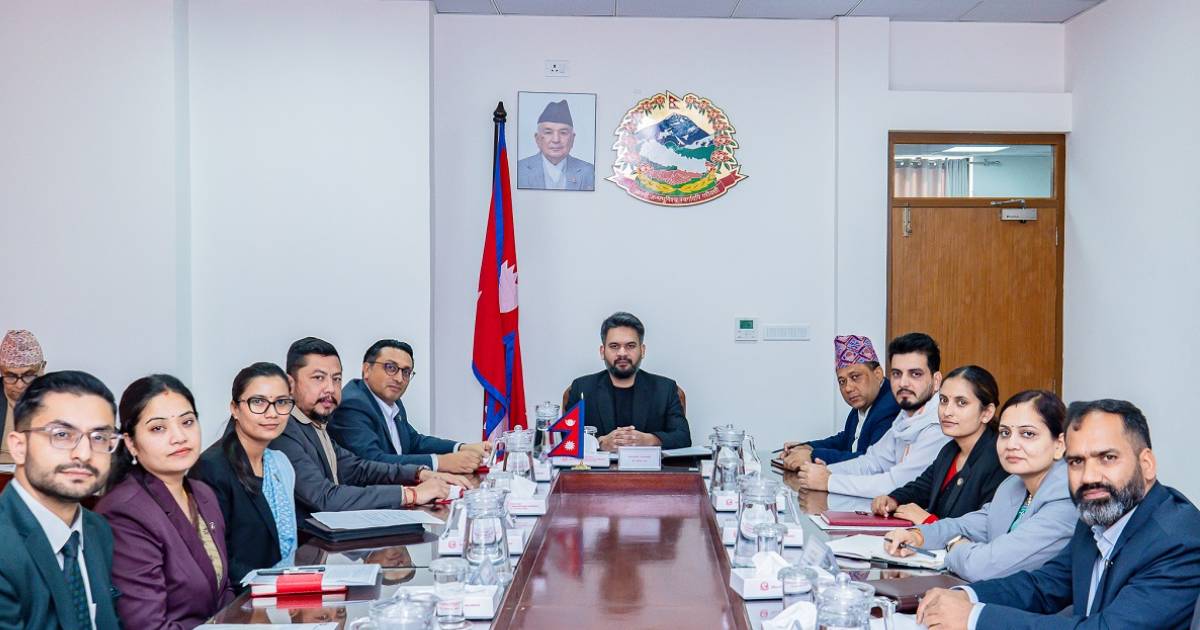
The government has taken a key step toward resuming legislative activity by deciding to recommend the convening of both houses of the Federal Parliament. The move, made during a Cabinet meeting held at Singha Durbar, signals the start of a new parliamentary session at a time when policy discussions and legislative processes are expected to regain momentum.
According to officials, the decision includes a formal recommendation to the President to summon sessions of both the House of Representatives and the National Assembly. The proposed date and time for the session reflect the government’s intent to bring lawmakers together soon, marking an important moment in the country’s parliamentary calendar.
Cabinet Decision at Singha Durbar
The decision to call a session of the Federal Parliament was made during a meeting of the Council of Ministers held at Singha Durbar, the administrative center of the government. The meeting brought together senior officials to discuss key governance matters, with the parliamentary session emerging as a major agenda item.
Following deliberations, the Cabinet reached a consensus to move forward with a recommendation to the President. This step is required under constitutional provisions, as the formal authority to summon parliament lies with the head of state, based on the government’s advice.
The decision reflects a coordinated effort within the executive branch to ensure that legislative activities resume in an orderly and timely manner.
Recommendation to Convene Both Houses
The government has specifically recommended that sessions of both chambers of the Federal Parliament be called simultaneously. This includes:
- The House of Representatives
- The National Assembly
Bringing both houses into session at the same time allows for a comprehensive legislative process, enabling coordination between the lower and upper chambers. It also ensures that pending discussions, debates, and decisions can proceed without delay.
The move highlights the importance of maintaining a functioning parliamentary system where both houses play their respective roles in governance and lawmaking.
Proposed Date and Time for Session
According to government spokesperson Sasmita Pokharel, the Cabinet has recommended that the session of the Federal Parliament begin on Baisakh 28 at 2:00 PM.
The announcement provides a clear timeline for lawmakers and parliamentary officials to prepare for the upcoming session. Setting a specific date and time also signals the government’s readiness to move forward with legislative business.
The scheduled timing suggests that preparations are already underway to ensure a smooth start to the session, including administrative arrangements and coordination among parliamentary bodies.
Role of the President in the Process
While the Cabinet has made its recommendation, the formal step of summoning the parliament rests with the President. The recommendation will be submitted for approval, after which an official
notice is expected to be issued.
This process reflects the constitutional framework, where the executive proposes and the President formalizes the decision. It ensures that the convening of parliament follows established legal procedures.
The involvement of the President also adds an element of institutional balance, reinforcing the separation of powers within the governance system.
Significance of the Parliamentary Session
The decision to convene the Federal Parliament carries significant importance for the country’s political and legislative landscape. Parliamentary sessions provide a platform for elected representatives to:
- Discuss national issues
- Debate policies and proposals
- Introduce and review legislation
- Hold the government accountable
By initiating a new session, the government is enabling these essential functions to resume. It also opens the door for addressing ongoing concerns and advancing policy priorities.
The session is expected to play a key role in shaping upcoming decisions and ensuring that governance continues through democratic processes.
Government’s Communication Through Spokesperson
The details of the Cabinet’s decision were shared by government spokesperson Sasmita Pokharel. As the official voice of the government, the spokesperson plays a crucial role in communicating decisions to the public and the media.
Pokharel confirmed the recommendation, including the date and time for the session, providing clarity on the government’s plans. This transparency helps keep citizens informed about developments within the government and the legislative process.
Clear communication also ensures that there is no ambiguity regarding the next steps, allowing all stakeholders to prepare accordingly.
Next Steps Ahead of the Session
With the recommendation now made, the next steps involve formal approval and logistical preparations. Once the President issues the official call, preparations will move into their final phase.
These preparations typically include organizing the parliamentary schedule, notifying members, and ensuring that all administrative arrangements are in place.
The upcoming session is expected to mark the continuation of parliamentary activities, providing a platform for lawmakers to engage in discussions and decision-making.
As the date approaches, attention will likely focus on the agenda of the session and the issues that will be prioritized. The government’s move to recommend the session underscores its intent to keep the legislative process active and aligned with constitutional requirements.


Written by Roshani Shrestha Pathak
Roshani Shrestha Pathak is the English Bureau Chief at Khoj Samachar, overseeing English-language editorial operations and newsroom coordination.
Nepal to Fine Fuel Pumps Up to NPR 1 Million for Shutting Down
Why Susta Residents Have Come to Kathmandu?
Nepal Government to Print National ID Cards Itself
Everything You Need to Know About the 2026/27 National Budget
Singha Durbar Toilets Remain in Poor Condition
Manoj Kumar Sharma Set to Become Nepal’s Chief Justice

Koshi Police Honors Inspector Sagar Sah for Innovative Policing