
US Weighs Military Action Against Iran After Geneva Talks Fail to Reach Breakthrough
The United States is considering potential military action against Iran following stalled indirect talks in Geneva, as US forces expand their presence in the Middle East, according to multiple American media reports.


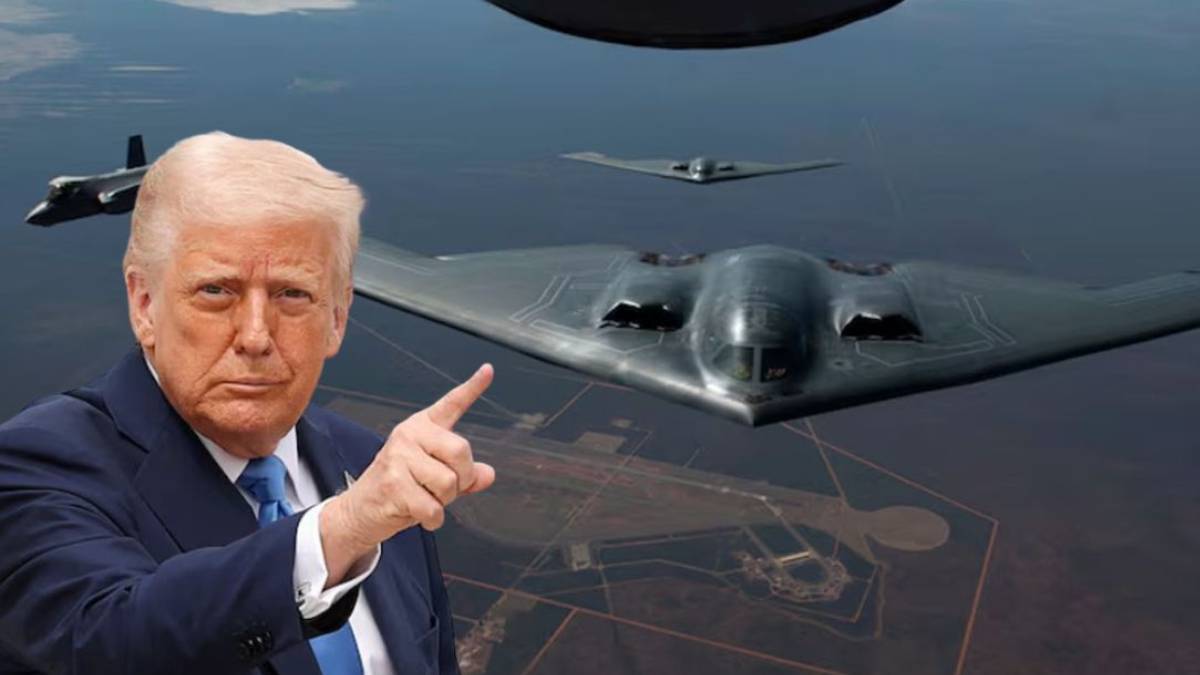
Tensions between the United States and Iran have escalated following indirect negotiations in Geneva that failed to produce a substantive breakthrough, according to multiple US media reports.
Major American outlets — The New York Times, CNN, and CBS News — reported that the US administration has intensified preparations related to potential military action against Iran. The reports state that operational plans have been finalized and that the US military is awaiting a final decision from President Donald Trump.
US Expands Military Presence in Middle East
The United States has significantly reinforced its military presence in the Middle East in recent weeks. Aircraft carrier strike groups led by USS Abraham Lincoln and USS Gerald R. Ford are deployed in the region. Each carrier group includes destroyers, cruisers, and submarines operating in coordination.
Additional deployments include dozens of aerial refueling tanker aircraft based in the United Kingdom and more than 50 extra fighter jets positioned in the Middle East. Advanced missile defense systems, including Patriot and THAAD, have also been relocated to the region. US officials state these systems are designed to intercept Iranian ballistic missiles.
Strategic B-2 bombers have been placed on heightened alert. According to CNN, the Pentagon has temporarily relocated certain personnel to Europe or the United States as a precaution amid concerns about possible retaliation.
The New York Times reported that with military assets now in position, the White House faces a decision on how to proceed.
Diplomacy Remains Unresolved
Indirect talks between US and Iranian representatives took place in Geneva on Tuesday. Iranian officials said agreement had been reached on certain guiding principles. However, US officials stated that substantial differences remain before any formal agreement can be achieved. Iran has requested two additional weeks to present further proposals.
US Secretary of State Marco Rubio is preparing to visit Israel. Discussions with Israeli Prime Minister Benjamin Netanyahu are expected to address regional security and potential coordination.
Previous Strike, Nuclear Concerns and Warnings
In July last year, the United States conducted a strike targeting Iranian nuclear facilities. US officials stated at the time that three nuclear reactors were struck with GBU-57 bunker-buster bombs, rendering them inoperable.
Recent satellite imagery, however, indicates that Iran has reinforced key nuclear sites with additional concrete structures. International media reports suggest these developments point to continued activity at certain facilities.
Iran’s Supreme Leader, Ali Khamenei, has warned that Iran would respond if attacked. On Wednesday, he shared an AI-generated image on his X account depicting a US warship submerged at sea, asserting that Iran possesses weapons capable of sinking American vessels.
Iranian officials have also warned that US military bases in the Middle East could be targeted in the event of military action. Vali Nasr, an Iran expert at Johns Hopkins University, said current diplomatic efforts provide time for both Washington and Tehran to prepare for possible next steps.
Diplomatic engagement and military positioning are unfolding simultaneously, and analysts say any decision could have significant implications for US–Iran relations and broader Middle East stability.


Written by Roshani Shrestha Pathak
Roshani Shrestha Pathak is the English Bureau Chief at Khoj Samachar, overseeing English-language editorial operations and newsroom coordination.
What Did Gyanendra Shahi Say to His Trolls?

Sobita Gautam Leads Nepal’s 166-Bill Legal Reform Drive
Bishnu Paudel Released Without Bail by Special Court

Industry Ministry Recovers Rs 467 Million in Unpaid Rent

Rekha Thapa Criticises Taxes, Says ‘Swarnim Nepal’

Supreme Court Orders Immediate Release of Former UML MP Koiri
Government Restores Personal Secretary Facility for Lawmakers