What Did Gyanendra Shahi Say to His Trolls?
The lawmaker’s remarks drew mixed reactions and renewed scrutiny of political language on social media.


Gyanendra Shahi Turns Online Ridicule Into a Political Counterattack
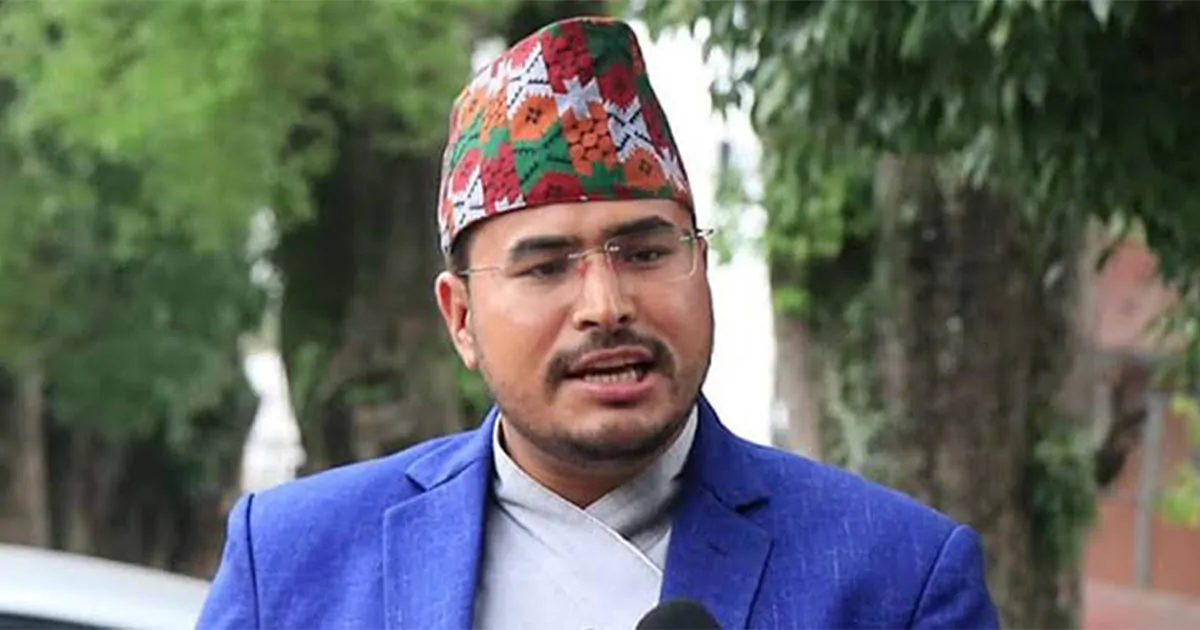
House of Representatives member Gyanendra Shahi has answered days of criticism and trolling with a long, sarcastic Facebook post, using the controversy around his recent remarks to strike back at unnamed political and online opponents. His response moved from a reference to Japanese alcohol to allegations, internet roasts and the growing business of turning political disputes into social media content.
Shahi opened with the line, “Japanese alcohol must be strong,” and said some things he had tried to keep inside for years had finally come out. He added that truth cannot remain hidden, even when someone tries to suppress it.
The post included labels such as “Sahakari Thag,” “Gajedi Gang,” “Kharane Gang” and “TOB Gang.” Shahi did not identify the individuals or groups he was referring to, nor did he provide evidence or further details to support the allegations.
That ambiguity gave the post much of its political edge. It allowed supporters to read the remarks as a direct answer to his critics, while leaving those being targeted unnamed.
“Even the alcohol I never drank affected me”
Shahi also appeared to deny that he had consumed alcohol. “Even the alcohol I never drank affected me,” he wrote sarcastically.
The line referred back to the public reaction that followed his earlier expression. Videos, edited clips, trolling posts and roast content had circulated widely, placing him at the centre of another fast-moving social media dispute.
Rather than asking people to stop, Shahi told Nepali youths living around the world to roast him and write as many posts as they wished. He framed the attacks as material for online creators who earn money from views and engagement.
He then added another sarcastic request: those who make good money from the content should help arrange airfare for Nepalis wishing to return home.
The remark was written as humour, but it also reflected how political communication is increasingly shaped by the same digital economy that rewards outrage, mockery and short video clips. A statement made by a politician can now become income-generating content within hours, while the political response itself creates the next round of material.
Shahi chose to enter that cycle rather than step away from it.
Language of a public representative under scrutiny
The Facebook post drew mixed responses. Supporters treated it as a forceful rebuttal to those who had mocked him and attacked his public image.
Other users questioned whether a member of the House of Representatives should use such language in a public statement. Their concern was not limited to the identities of the unnamed targets. The tone itself became part of the issue.
The episode has widened an existing argument over how elected representatives should respond to criticism. Political disagreements that once remained inside party meetings, public speeches or formal statements are now frequently carried into personal exchanges, edited videos and hostile comment sections.
Shahi’s response sits directly inside that shift.
It was not a clarification of his earlier remarks, nor a detailed defence against the criticism. It was a counterattack written in the language of the platform where the ridicule had spread.
The dispute is therefore no longer only about what Shahi originally said. It has also become a question of political responsibility, the standards expected from public representatives and the kind of language that is becoming normal in Nepal’s digital political space.

Written by Roshani Shrestha Pathak
Roshani Shrestha Pathak is the English Bureau Chief at Khoj Samachar, overseeing English-language editorial operations and newsroom coordination.
Sobita Gautam Leads Nepal’s 166-Bill Legal Reform Drive
Bishnu Paudel Released Without Bail by Special Court
Industry Ministry Recovers Rs 467 Million in Unpaid Rent

Rekha Thapa Criticises Taxes, Says ‘Swarnim Nepal’
Supreme Court Orders Immediate Release of Former UML MP Koiri
Government Restores Personal Secretary Facility for Lawmakers
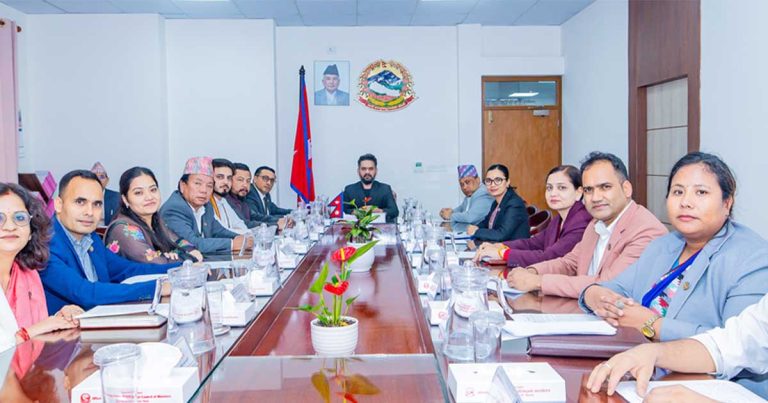
Balen Shah Chairs Cabinet Meeting at Singha Durbar