U.S. Proposes Ceasefire Plan as Iran-Israel Conflict Enters Fourth Week
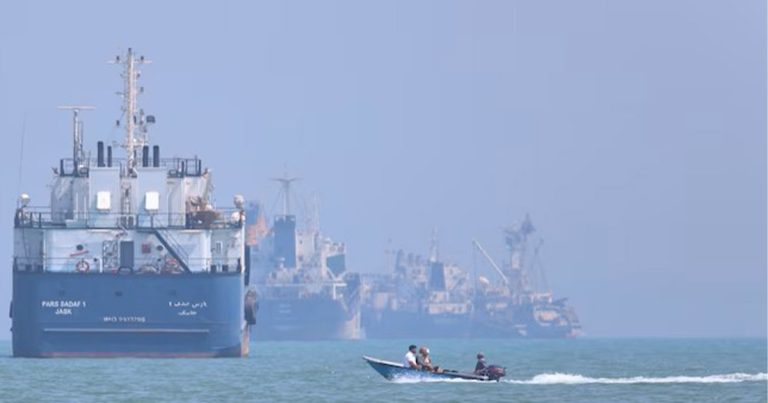
The United States has proposed a ceasefire framework to Iran as the conflict with Israel continues into its fourth week, with diplomatic efforts underway but no resolution yet.


Kathmandu — Diplomatic efforts are intensifying to de-escalate tensions between the United States, Israel, and Iran as the conflict approaches its fourth week with no clear resolution in sight.
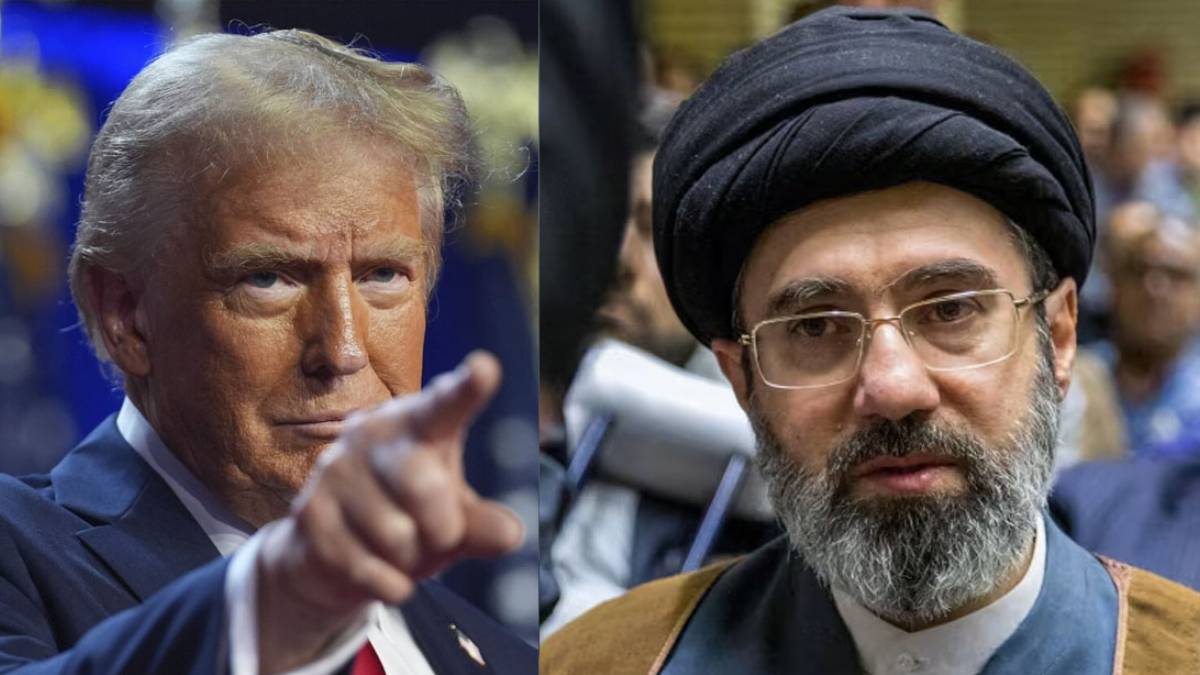
The latest escalation began in late February following U.S.-backed Israeli strikes on Iranian targets, significantly heightening instability across the Middle East. While initial statements from U.S. President Donald Trump suggested Iran could be quickly pressured into compliance, hostilities have continued with sustained military exchanges.
U.S. Proposal and Iran’s Response
According to Reuters, the United States has submitted a multi-point proposal to Iran aimed at ending the conflict. The reported framework includes conditions such as limiting uranium enrichment, reducing stockpiles of highly enriched uranium, restricting ballistic missile development, and scaling back support for regional armed groups.
The proposal has not been officially released by the White House. U.S. officials have indicated that failure to reach an agreement could lead to further military action.
Iran has acknowledged receiving proposals through intermediaries, including Egypt and Pakistan, according to Associated Press. However, Iranian Foreign Minister Abbas Araghchi said Tehran is reviewing the terms and has no immediate plans for direct negotiations with Washington.
He emphasized that indirect communication through mediators should not be interpreted as formal talks.
Regional Impact and Ongoing Concerns
Iran has reiterated that any potential agreement must also address the situation in Lebanon, particularly involving Hezbollah. The group has been involved in cross-border tensions with Israel, contributing to a broader regional escalation.
Israeli and U.S. strikes in response to attacks have reportedly caused casualties and displacement in parts of Lebanon, further complicating diplomatic efforts. Meanwhile, Israel has expressed skepticism over Iran’s willingness to accept U.S. conditions and has maintained that military options remain under consideration if negotiations fail.
Competing Positions and Continued Uncertainty
Reports from The Wall Street Journal suggest Iran has outlined its own conditions, including security guarantees against future attacks and broader regional considerations. However, these positions have not been officially confirmed in full detail.
President Trump has stated that Iran may be open to negotiations but faces internal political constraints. Iranian officials, however, have not publicly confirmed any readiness for direct engagement.
As diplomatic efforts continue alongside military activity, the situation remains fluid. Analysts say the lack of mutual trust and differing strategic priorities could prolong the conflict despite ongoing mediation attempts.


Written by Roshan Shrestha
Roshan Shrestha is a Nepali investigative journalist and founder of Khoj Samachar, covering corruption, transparency, and public-interest issues.
Heavy Rain Expected in Himachal Pradesh
Sonam Wangchuk Update: Forced to Hospital, Says Abhijeet Dipke

Attack Was Attempted on Sonam Wangchuk, Says Abhijeet Dipke

Sonam Wangchuk Vows to Survive Hunger Strike Until July 20

US Attacks Iran Again as Fighting Enters Sixth Night
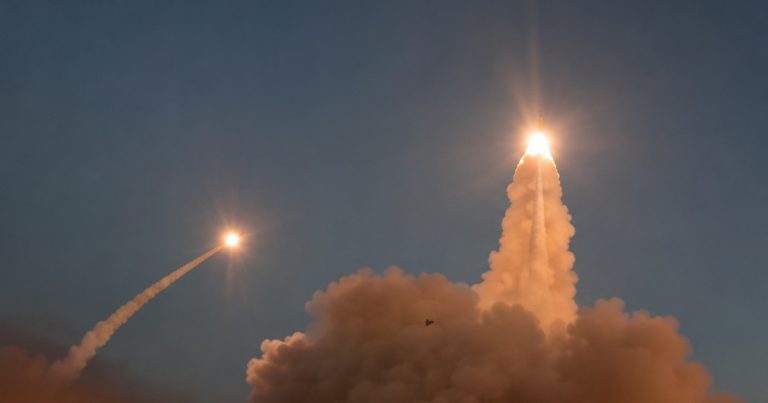
Jordan Shoots Down Eight Iranian Missiles
US House Passes Permanent Daylight Saving Time Bill