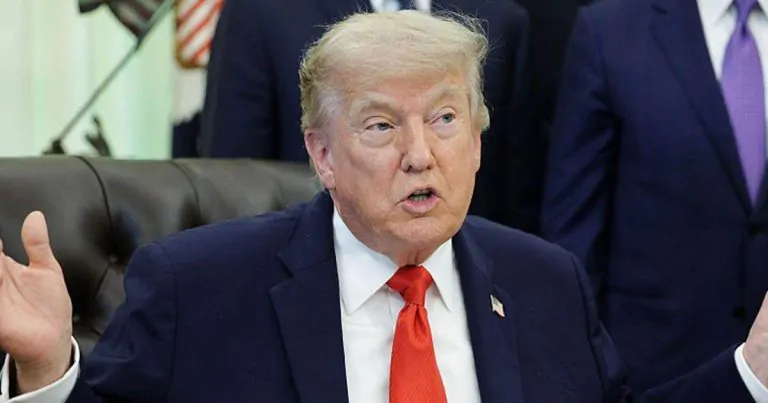
Trump and Xi Push Iran to Reopen Strait of Hormuz
Donald Trump says China agrees Iran must not develop nuclear weapons as the Strait of Hormuz crisis disrupts global oil supplies


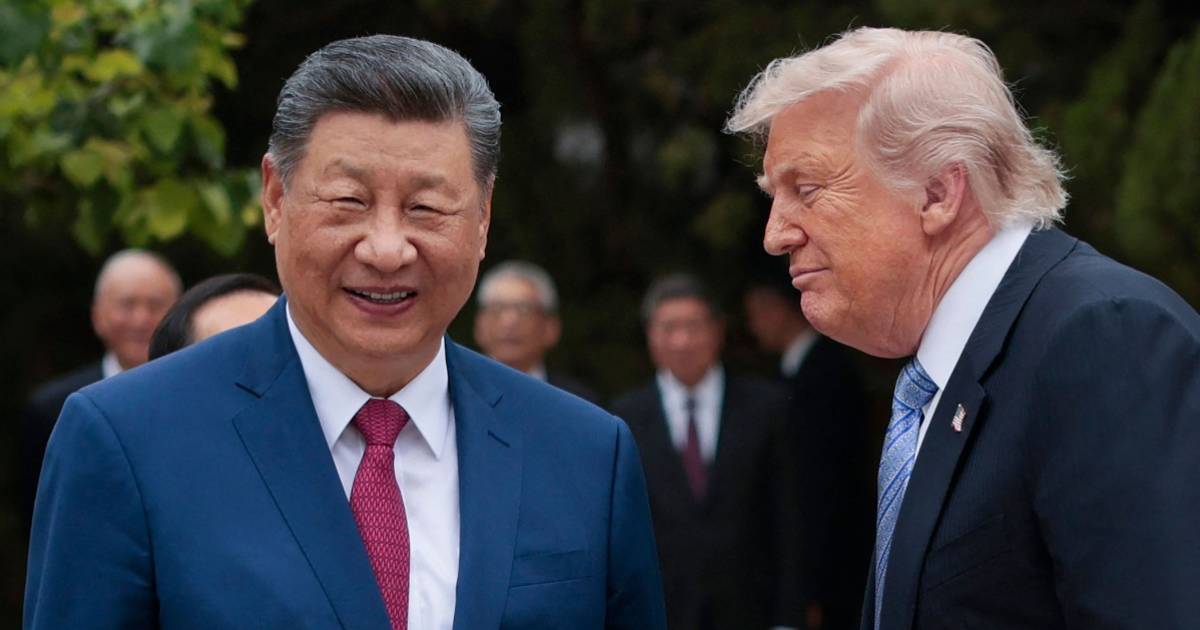
The growing confrontation over Iran and the Strait of Hormuz has triggered fresh global concern after US President Donald Trump claimed he and Chinese President Xi Jinping share the same position on Tehran’s nuclear ambitions and the reopening of one of the world’s most critical oil shipping routes.
Trump made the remarks after the second round of talks with Xi on Friday, saying his patience over the Iran issue was wearing thin. His comments came as tensions around the Strait of Hormuz continued to disrupt international oil supplies and increase fears of a wider economic impact.
China, however, stopped short of publicly endorsing Trump’s position. While Xi did not comment directly on the discussions with Trump, Beijing issued a sharply worded statement criticizing the ongoing conflict and warning against the continuation of a war it said should never have begun.
Trump Says Iran Must Not Develop Nuclear Weapons
Trump said both Washington and Beijing agreed that Iran should not be allowed to develop nuclear weapons. He also claimed Xi supported the reopening of the Strait of Hormuz, the narrow maritime passage that has become central to the current crisis.
Speaking after the latest discussions with the Chinese leader, Trump said several major international disputes had been addressed through direct engagement between the two countries.
The US president also signaled growing frustration over the lack of progress surrounding Iran and the continued disruption in the Gulf region.
China Issues Strong Statement on the Conflict
Although Xi did not publicly discuss the details of his talks with Trump regarding Iran, China’s Foreign Ministry later released a strong statement criticizing the war.
The ministry expressed dissatisfaction with the military confrontation involving the United States and Israel, saying there was no justification for the conflict to continue.
The statement reflected Beijing’s concern over the widening instability in the region and the broader consequences for global trade and energy markets.
Strait of Hormuz Remains at the Center of the Crisis
The Strait of Hormuz has become the most sensitive point in the ongoing conflict. Iran shut down the narrow waterway after the war began, severely affecting international shipping routes.
The strait is one of the world’s most important energy corridors. Around 25 percent of global crude oil shipments and nearly 20 percent of gas supplies pass through the route.
The closure has already reduced oil supplies in international markets, causing energy prices to rise sharply. Analysts fear a prolonged disruption could push oil prices much higher and create wider economic pressure across multiple countries.
Iran Initially Allowed Limited Shipping Activity
At the beginning of the conflict, Iran’s restrictions were selective rather than complete.
While Tehran blocked many foreign vessels, ships carrying Iranian oil were still allowed to move through the strait. Some foreign ships were also permitted to pass after paying high transit fees.
As a result, Iran reportedly generated higher revenues during the early phase of the conflict than it had before the fighting began.
The selective controls allowed Tehran to maintain some level of oil exports while placing pressure on rival countries dependent on Gulf energy shipments.
US Tightens Pressure After Pakistan Talks Collapse
The situation escalated further after negotiations held in Pakistan failed to produce an agreement.
Following the collapse of those talks, Trump imposed a blockade targeting Iran in the Strait of Hormuz starting April 13. The move effectively intensified restrictions in the area and sharply reduced maritime activity.
Since then, shipping traffic through the strait has slowed dramatically, with the route described as nearly paralyzed.
The blockade has deepened fears about long-term supply shortages in global energy markets.
Oil Markets Facing Growing Uncertainty
For now, international markets are still receiving oil shipments that had already departed from the Strait of Hormuz before the tighter restrictions took effect.
However, concerns are increasing that existing supplies may not be enough if the disruption continues for an extended period.
Energy traders and market observers are closely monitoring developments, as a longer shutdown could trigger a much more severe oil crisis. Rising fuel costs are also expected to place additional pressure on inflation, transportation, and industrial production worldwide.
The uncertainty surrounding the Gulf region has already affected investor confidence and raised fears of broader instability in the global economy.
International Pressure Builds for a Resolution
The latest remarks from Trump and the reaction from China highlight the growing international pressure surrounding the Iran conflict and the future of the Strait of Hormuz.
While major powers appear united in opposing nuclear escalation and supporting open trade routes, differences remain over how the crisis should be handled and who bears responsibility for the conflict.
With oil markets under strain and diplomatic efforts struggling to produce results, attention is now focused on whether global leaders can prevent the situation from developing into a deeper international economic crisis.


Written by Pushpa Tamang
Pushpa Tamang is Managing Editor at Khoj Samachar, leading English and Nepali bureaus, newsroom operations, and editorial standards.

Germany: Six died in Stade Shooting
Neymar Gives $250K for Venezuela Earthquake Victims
Kolkata Warehouse Collapse Update: 5 Dead, 2 Arrested

Colombia Beat Uzbekistan 3-1 in World Cup Opener
6.7-Magnitude Earthquake Shakes Indonesia’s Sulawesi

Saudi Arabia vs Uruguay Ends 1-1

Sweden Crush Tunisia 5-1 in Group F Opener