A tentative political breakthrough between the United States and Iran has raised hopes that months of military confrontation could finally give way to a broader diplomatic process.
Pakistan Prime Minister Shehbaz Sharif has announced that both countries have agreed to move toward ending the conflict and establishing a framework for lasting peace. Pakistan says it played a mediating role during the negotiations, and preparations are underway for a formal signing ceremony in Switzerland on June 19.
The development is being closely watched far beyond the region. Any agreement affecting the Strait of Hormuz carries consequences for energy supplies, inflation, shipping costs and economic stability across multiple continents.
Diplomatic Push Toward a Formal Agreement
Sharif said the agreement would be formally signed on June 19 in Switzerland.
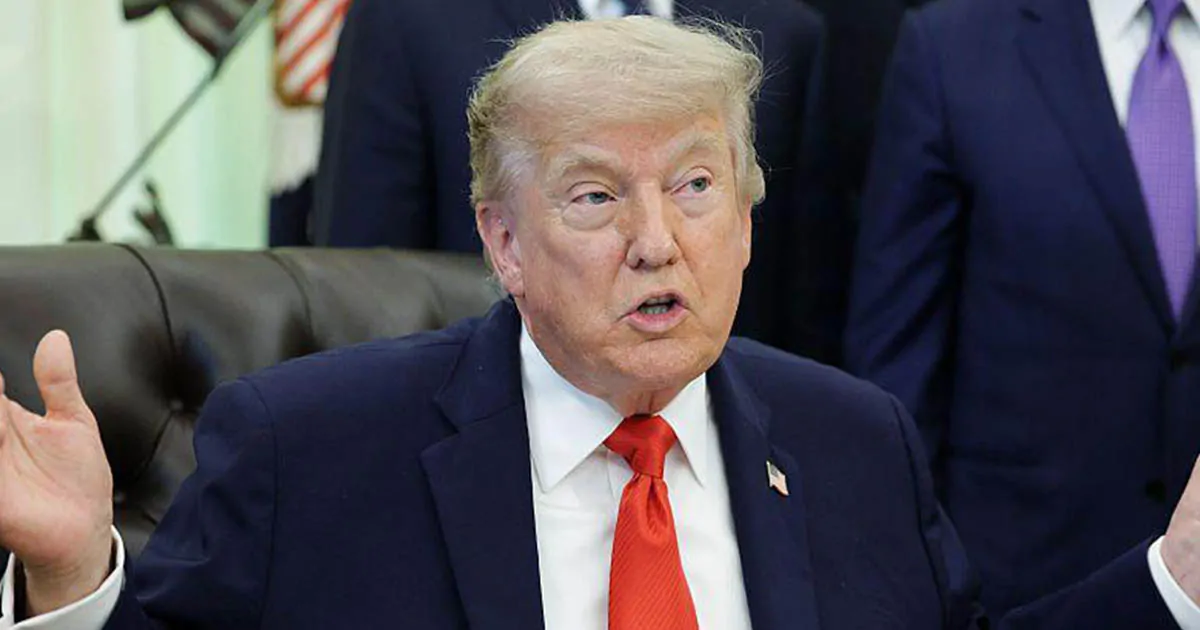
US President Donald Trump has also acknowledged that an understanding has been reached and said he has instructed authorities to begin the process required to restore operations through the Strait of Hormuz. He also announced the removal of the US naval blockade that had been in place during the confrontation.
While the full text of the agreement has not yet been released, both sides have publicly signaled a willingness to reduce tensions.
Global Markets Watching the Strait of Hormuz
The Strait of Hormuz remains one of the world’s most critical energy transit routes.
Disruptions linked to the conflict had affected the movement of oil, gas and fertilizer supplies, contributing to rising prices in international markets. The resulting pressure on energy costs fed inflation concerns in many countries and pushed central banks toward tighter monetary policies.
US Vice President JD Vance said the agreement could help stabilize energy markets and ease pressure on fuel prices.
For many economies already dealing with high living costs, the reopening of the route is being viewed as one of the most immediate benefits of the deal.
Iran Says Implementation Must Wait
Iran has confirmed the agreement in principle but insists that implementation will begin only after formal signatures are completed.
Iranian officials have also indicated that several difficult issues remain unresolved and will require further negotiations in the coming days and weeks.
These include:
- The future of Iran’s nuclear program
- Economic sanctions imposed on Iran
- Regional security arrangements
- Timelines for implementation of commitments
Earlier draft discussions had included proposals to ease US oil-related restrictions while Iran would reopen the Strait of Hormuz within an agreed timeframe.
European Governments Signal Engagement
Alongside the negotiations, the United Kingdom, Germany, France and Italy have indicated a willingness to deepen diplomatic engagement with Iran.
Those governments have suggested that sanctions could be reviewed if Iran complies with international standards concerning its nuclear activities.
- Formal signing expected in Switzerland on June 19
- Preparations underway to reopen the Strait of Hormuz
- US naval blockade set to be lifted
- Energy markets expected to receive relief
- Further negotiations on sanctions and the nuclear program still pending
Much remains dependent on what happens after the signatures are placed on paper. The coming days will test whether the political commitments announced so far can be converted into practical steps and whether this agreement marks the beginning of a durable peace process or only a temporary pause in a long-running confrontation.