Shashank Koirala Calls for Replacing Secularism with Religious Freedom in Nepal’s Constitution
Dr. Shashank Koirala has proposed replacing secularism with religious freedom in Nepal’s Constitution and called for major electoral reforms.


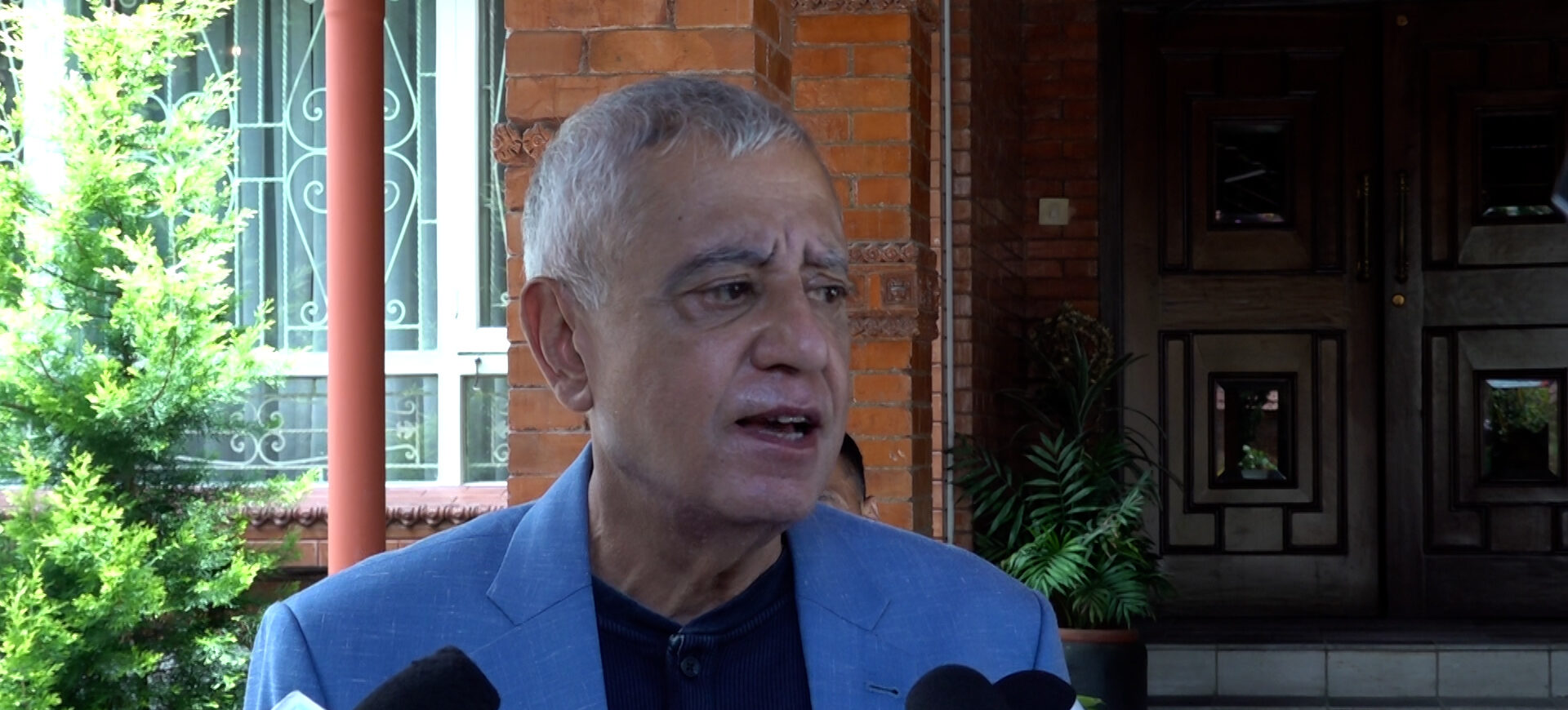
Kathmandu, – Former General Secretary of the Nepali Congress, Dr. Shashank Koirala, has proposed removing the term “secularism” from Nepal’s Constitution and replacing it with the principle of “religious freedom.”
During the Central Working Committee meeting held in Sanepa on Sunday, Koirala emphasized the need for constitutional amendments, suggesting this issue be addressed as the first step in any revision process.
He recalled that the seven-point agreement signed between the Nepali Congress and the CPN-UML on July 1, 2014 (Ashar 17, 2071 BS), had also included the intent to amend the Constitution, and he urged that the commitments made therein be implemented.
Calls for Electoral System Reform and Clarifies MP-Minister Distinction
Additionally, Koirala called for a review of Nepal’s current electoral system. He proposed that members of the House of Representatives be elected entirely through a direct voting process, while members of the National Assembly should be elected solely through proportional representation. “Such a change would help address the current issue of fragmented majorities seen in the existing system,” he argued.
Koirala also expressed appreciation for Party President Sher Bahadur Deuba’s efforts in maintaining party unity, crediting him with playing a constructive role in internal cohesion. Clarifying a common misconception in Nepal’s political discourse, Koirala highlighted the distinction between being a Member of Parliament and holding a ministerial position.
“Being elected as an MP does not necessarily mean one must serve as a minister,” he said. “I have been elected to Parliament four times, yet I have never served as a minister.” His remarks underline his broader focus on leadership reform and constitutional clarity in Nepal’s evolving democratic structure.


Written by Khoj Samachar Editorial Team | News Desk
Editorial team of Khoj Samachar responsible for publishing and managing news content, quality and timely coverage of national and global developments.
Prime Minister’s Office Like Hitler’s Gas Chamber: Lawmaker
Speaker Aryal: Learn Parliament, Not Your Phone
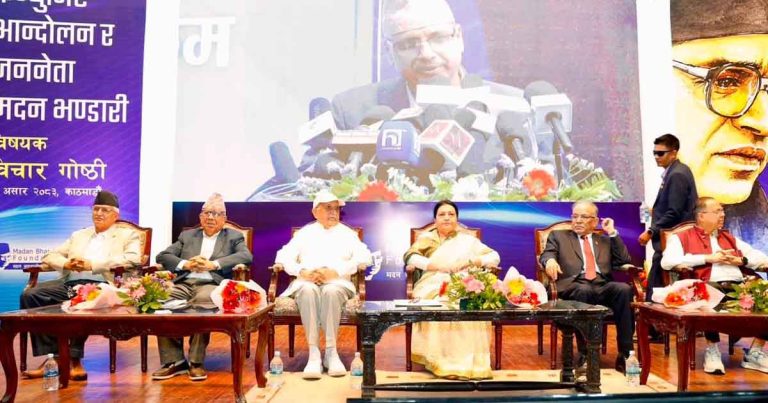
Four Former PMs Share Stage at Madan Bhandari Event
Prachanda Urges Left Unity at Bhandari Anniversary
Ramji Yadav Faces Scrutiny After Party Election Loss
RSP Elects Rabi, Swarnim, Sobita and Bipin to Top Posts
RSP Central Committee Elected Members List 2026