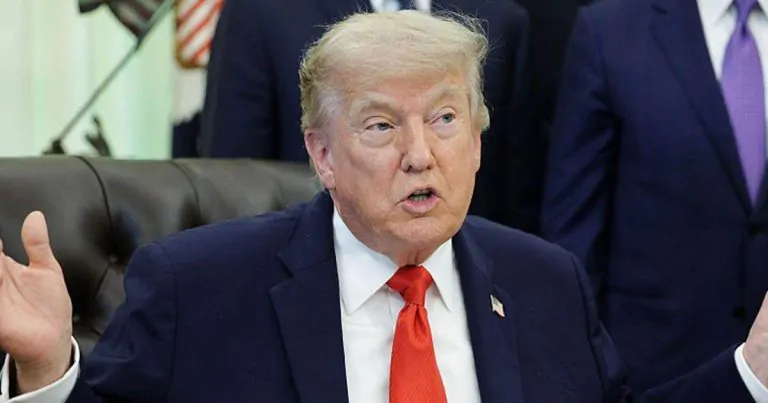
Saudi Arabia Revealed to Have Struck Iran Directly
Saudi Arabia reportedly carried out a direct operation inside Iran after regional missile and drone tensions intensified


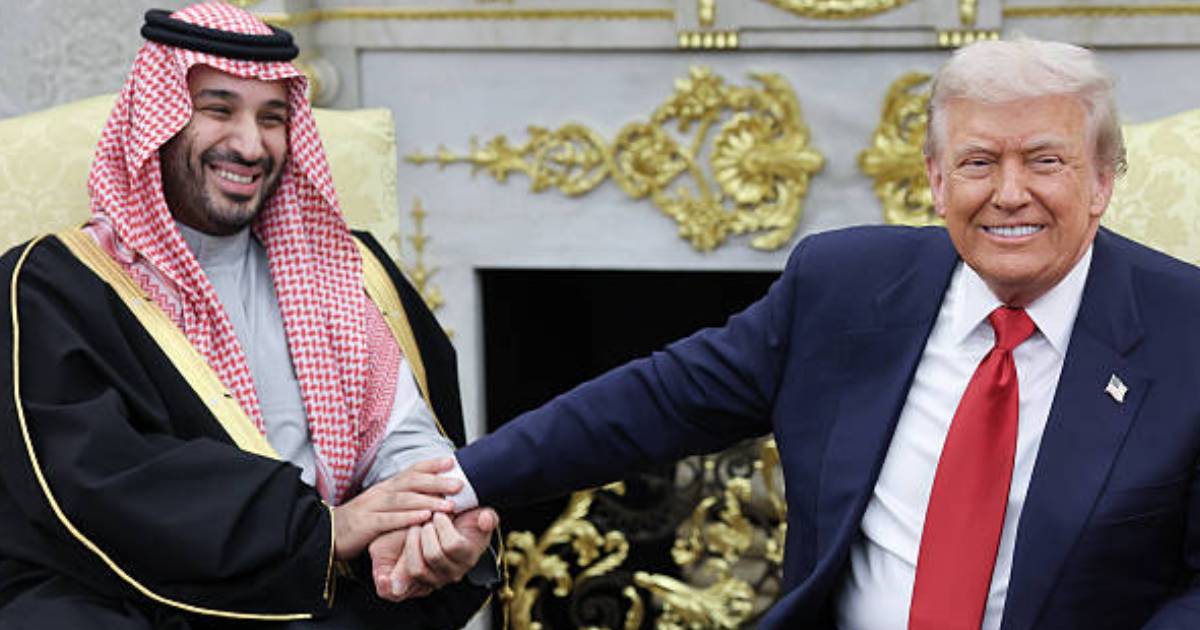
Saudi Arabia has reportedly carried out a direct military operation inside Iranian territory for the first time, marking a significant development in the growing tensions across the Middle East. The operation is said to have taken place in late March during a period of escalating regional conflict involving Iran, the United States, Israel, and several Gulf countries.
The alleged attack came after repeated drone and missile strikes linked to Iran-backed groups targeted Saudi Arabia during weeks of unrest that began on February 28. The situation has intensified concerns about wider instability in the region, even as both Tehran and Riyadh appear to be trying to avoid a larger confrontation through diplomatic communication.
Saudi Arabia Reportedly Conducted Strike Inside Iran
Saudi Arabia is said to have launched a direct military strike against Iran near the end of March, according to details that have recently emerged about the regional conflict. The reported operation is being viewed as an important moment because previous confrontations between the two countries had largely remained indirect.
The military action reportedly happened during a broader period of hostilities involving Iran and Western-backed allies in the Middle East. In recent months, Iran has faced heavy military pressure from both the United States and Israel, while regional tensions have continued to rise across several countries.
The latest revelation suggests Saudi Arabia moved beyond defensive measures and carried out a direct response inside Iranian territory after repeated attacks against its own interests.
Regional Conflict Expanded After February Escalation
The latest developments are connected to a wider regional conflict that intensified from February 28 onward. During that period, groups aligned with Iran reportedly carried out a series of drone and missile attacks targeting Saudi Arabia.
The attacks increased pressure on Saudi authorities, who have long relied on security cooperation with the United States for national defense. As threats expanded across the region, Saudi Arabia reportedly decided to respond with stronger military measures.
The conflict also involved missile and drone attacks launched by Iran against Israel and Gulf nations seen as aligned with Washington. The growing exchange of attacks created fears of a broader regional crisis affecting multiple countries at the same time.
Diplomatic Communication Continued Despite Military Action
Although Saudi Arabia reportedly carried out a retaliatory strike inside Iran, both countries are said to have maintained diplomatic communication channels afterward.
The discussions reportedly focused on preventing the situation from turning into a larger military confrontation. Despite deep political disagreements and longstanding mistrust between the two sides, efforts were made to contain the crisis and avoid further escalation.
- Military tensions increased after repeated drone and missile attacks
- Saudi Arabia reportedly launched a retaliatory operation inside Iran
- Diplomatic talks continued between both sides afterward
- Regional concerns grew over the possibility of wider conflict
The ongoing communication reflects the complex relationship between the two regional powers, where political rivalry exists alongside efforts to avoid a direct and prolonged conflict.
Saudi Arabia Taking a More Assertive Security Role
The reported military action also highlights a shift in Saudi Arabia’s approach to national security. For years, the country has depended heavily on the United States for protection against regional threats.
However, the recent conflict appears to show Saudi Arabia becoming more willing to take direct action when facing security challenges. The alleged strike inside Iran is being viewed as part of that broader change in strategy.
At the same time, Saudi officials appear to be balancing military responses with diplomatic caution. Even after the reported operation, there has been no indication that either side wants the situation to spiral into a larger war.
Iran and Saudi Relations Remain Under Pressure
Relations between Iran and Saudi Arabia have remained tense despite occasional diplomatic engagement. The two countries have often found themselves on opposing sides of regional disputes and political struggles across the Middle East.
The latest military developments are likely to deepen mistrust between both governments. Although diplomatic channels remain open, the broader relationship continues to face serious strain due to security concerns and regional competition.
The reported attack has also drawn attention to how quickly regional tensions can evolve from indirect confrontations into direct military actions involving sovereign territory.
Growing Concerns Over Stability in the Middle East
The recent developments have once again highlighted the fragile security situation across the Middle East. Multiple countries have become involved in overlapping military and political conflicts, increasing fears of wider instability.
Drone warfare, missile strikes, and retaliatory military actions have become increasingly common during the current crisis. The involvement of major regional powers such as Iran and Saudi Arabia has further raised international concern about the possibility of future escalation.
Even though both sides are reportedly exercising restraint through diplomatic engagement, the situation remains highly sensitive. Any further military exchange could increase tensions across the region and affect neighboring countries as well.
Uncertain Outlook Despite Efforts to Avoid Escalation
While both Saudi Arabia and Iran appear to be avoiding an open war, the latest reports underline how fragile the situation has become. The combination of military retaliation and diplomatic negotiations reflects the difficult balance both countries are trying to maintain.
The reported Saudi strike inside Iran represents a notable shift in the regional conflict and signals that tensions remain far from resolved. At the same time, ongoing diplomatic contact suggests there is still an effort from both sides to prevent the crisis from expanding further.
As instability continues across the Middle East, attention is now focused on whether future developments will lead to greater confrontation or renewed attempts at regional de-escalation.


Written by Roshani Shrestha Pathak
Roshani Shrestha Pathak is the English Bureau Chief at Khoj Samachar, overseeing English-language editorial operations and newsroom coordination.

Germany: Six died in Stade Shooting

Neymar Gives $250K for Venezuela Earthquake Victims
Kolkata Warehouse Collapse Update: 5 Dead, 2 Arrested

Colombia Beat Uzbekistan 3-1 in World Cup Opener

6.7-Magnitude Earthquake Shakes Indonesia’s Sulawesi

Saudi Arabia vs Uruguay Ends 1-1

Sweden Crush Tunisia 5-1 in Group F Opener