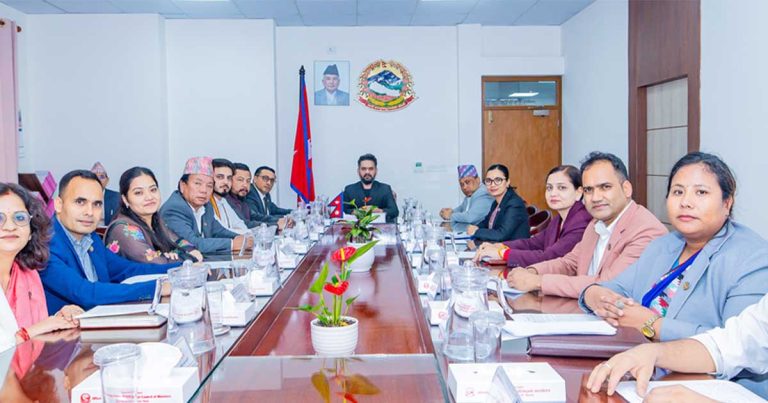
Rabi Lamichhane’s Vote Buying Remarks Spark Debate Ahead of Nepal’s Falgun 21 Election
Rabi Lamichhane’s vote buying remarks at campaign events in Siraha-4 and Chitwan-2 have triggered debate ahead of Nepal’s Falgun 21 election, as critics question alignment with RSP’s anti-corruption commitments.


Kathmandu, Nepal — Comments made by Rastriya Swatantra Party (RSP) Chairperson Rabi Lamichhane during campaign events ahead of Nepal’s upcoming Falgun 21 election have triggered public debate, as political parties continue to emphasize anti-corruption and good governance in their manifestos.
Campaign Remarks and Public Circulation
Speaking Wednesday at an election rally in Siraha-4 in support of RSP candidate Tapeshwar Yadav, Lamichhane urged voters not to “sell their future” for money. However, he also stated that if other candidates distribute cash during campaigning, voters may accept it, arguing that such funds represent money previously taken from the public.
He said accepting such money would not constitute wrongdoing, but voting for an “incorrect candidate” would be wrong. Lamichhane made similar remarks earlier in Chitwan-2, his own constituency, where he suggested that pre-election handouts reflect misused public resources. His statements have since circulated widely on social media.
Criticism and Governance Concerns
Some critics argue that such remarks risk normalizing the acceptance of financial inducements during elections, which is prohibited under Nepal’s election laws.
Youth commentator Arnab Chaudhary questioned the message conveyed by encouraging voters to accept money distributed during campaigns. In a social media post, he asked whether such rhetoric promotes retaliatory political culture rather than reform.
Dipesh Ghimire, Deputy Professor at Tribhuvan University who studies governance and corruption, said political leaders should encourage voters to report instances of vote buying rather than accept such offers.
He warned that repeated public framing of election-related inducements as routine could weaken long-term efforts to promote integrity and accountability in public life. Nepal’s electoral framework prohibits both offering and accepting improper benefits intended to influence voting behavior.
RSP Manifesto and Election Context
The debate comes as the RSP has made anti-corruption and good governance central pillars of its 100-point election manifesto.
Key pledges include investigation of assets of individuals who have held public office since 2046 B.S., confiscation of illegally acquired property following due legal process, safeguards against conflicts of interest in policymaking, measures to prevent nepotism in appointments, clear definition of policy decisions made by the Council of Ministers, and introduction of financial and regulatory impact assessments for legislation.
Nepal is preparing for elections scheduled for Falgun 21. Political parties have highlighted corruption control and institutional reform as major campaign agendas. The controversy surrounding Lamichhane’s remarks has intensified discussion over campaign ethics, electoral conduct, and the broader challenge of strengthening democratic governance as campaigning continues.


Written by Roshani Shrestha Pathak
Roshani Shrestha Pathak is the English Bureau Chief at Khoj Samachar, overseeing English-language editorial operations and newsroom coordination.
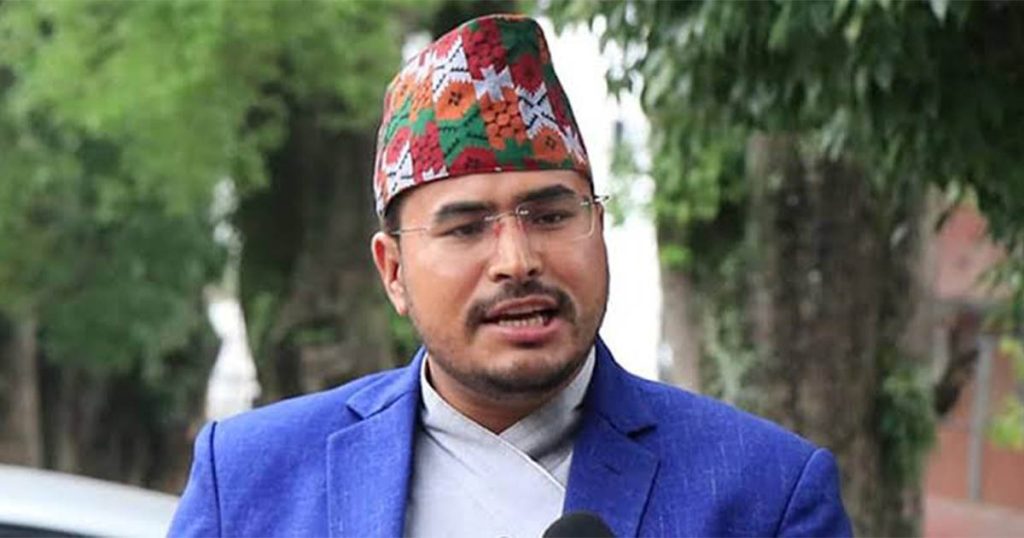
What Did Gyanendra Shahi Say to His Trolls?
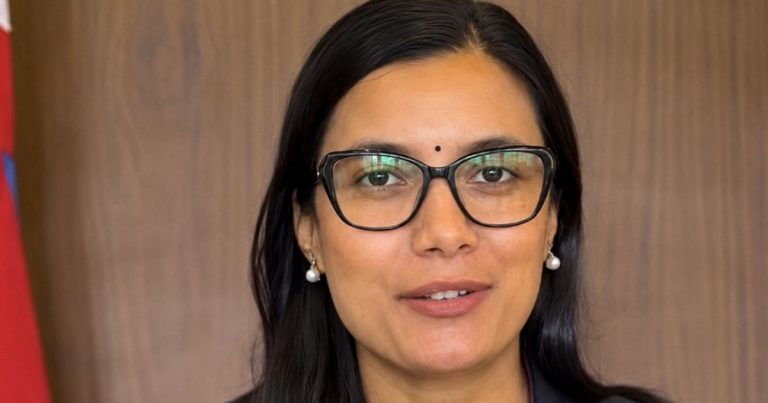
Sobita Gautam Leads Nepal’s 166-Bill Legal Reform Drive
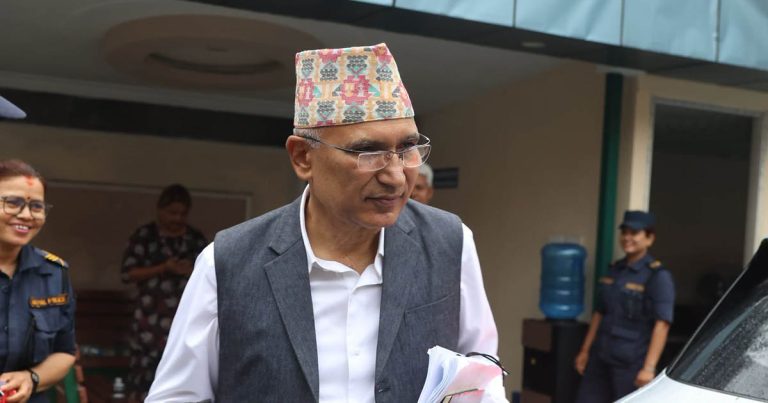
Bishnu Paudel Released Without Bail by Special Court
Industry Ministry Recovers Rs 467 Million in Unpaid Rent

Rekha Thapa Criticises Taxes, Says ‘Swarnim Nepal’
Supreme Court Orders Immediate Release of Former UML MP Koiri
Government Restores Personal Secretary Facility for Lawmakers