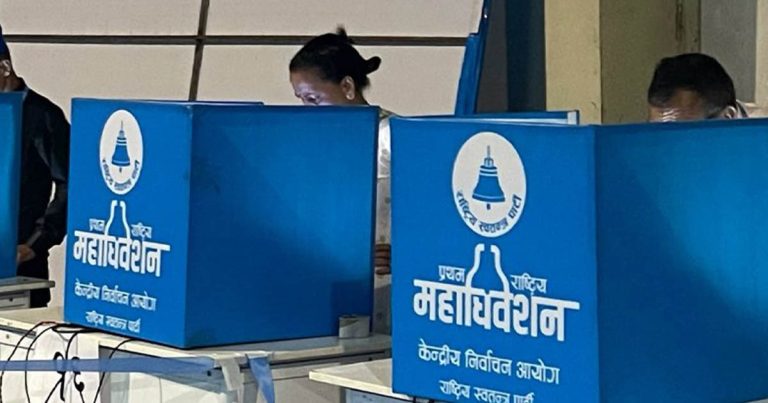
Kaski Court Removes Money Laundering Charge Against Rabi Lamichhane
The cooperative fraud case against the Rastriya Swatantra Party chair will continue after the court dropped two additional charges.


A district court in Pokhara has dropped organized crime and money laundering charges against Rabi Lamichhane in the high-profile cooperative fraud case that has remained at the center of Nepal’s political debate for months. The fraud charge itself, however, will move forward.
Friday’s order from the Kaski District Court marks a significant legal shift in a case that has carried both criminal and political weight since allegations surrounding cooperative funds first surfaced. Judge Himalal Belbase approved the government’s request to amend the prosecution, allowing only the cooperative fraud charge to stand while removing the two other serious offenses from the case.
The decision follows an earlier move by then Attorney General Sabita Bhandari, who had concluded that the organized crime and money laundering charges against Lamichhane were not necessary to sustain the prosecution. Acting on that position, the Kaski District Government Attorney’s Office filed a petition seeking to revise the original charge sheet.
The court has now endorsed that revision.
The Core Fraud Case Still Remains
While the removal of organized crime and money laundering allegations offers clear legal relief to Lamichhane, the court’s order does not end the broader case tied to alleged misuse of cooperative funds.
The cooperative fraud charge remains intact, meaning the central criminal proceedings will continue in court.
That distinction is politically important.
For months, the case has fueled intense scrutiny around financial accountability, political influence, and the handling of cooperative savings in Nepal. Victims linked to various cooperative disputes have repeatedly demanded restitution and legal action against those they believe were involved in financial irregularities.
The issue has extended far beyond routine courtroom proceedings. It has evolved into a larger public conversation about trust in financial institutions, political responsibility, and whether influential figures are treated differently within the justice system.
Political Reactions Likely to Intensify
The court’s latest order is expected to deepen political arguments already surrounding the case.
Supporters of the Rabi Lamichhane and the Rastriya Swatantra Party have framed the decision as proof that additional charges were unnecessarily attached to the case from the beginning.
Critics, however, are likely to question why such serious allegations were withdrawn after initially being included in the prosecution.
That tension reflects a broader pattern in Nepal’s contemporary politics, where corruption-related investigations often become politically charged long before courts reach final conclusions.
The removal of the money laundering and organized crime charges substantially narrows the legal scope of the case. But it does not erase the underlying controversy surrounding the cooperative scandal itself, nor does it close the legal process facing Lamichhane.
A Case That Continues to Carry Public Weight
The cooperative crisis has become one of the most emotionally sensitive public issues in recent years, particularly for depositors who say their savings were trapped or misused.
That public anger has shaped the political atmosphere around every development connected to the investigation.
Friday’s order may alter the legal trajectory of the case, but it is unlikely to reduce public attention anytime soon. The remaining fraud proceedings will continue under close political and public scrutiny, with each court development expected to carry consequences far beyond the courtroom.

Written by Pushpa Tamang
Pushpa Tamang is Managing Editor at Khoj Samachar, leading English and Nepali bureaus, newsroom operations, and editorial standards.
Why Did an RSP MP Recall Kulman Ghising in Parliament?
Prime Minister’s Office Like Hitler’s Gas Chamber: Lawmaker
Speaker Aryal: Learn Parliament, Not Your Phone
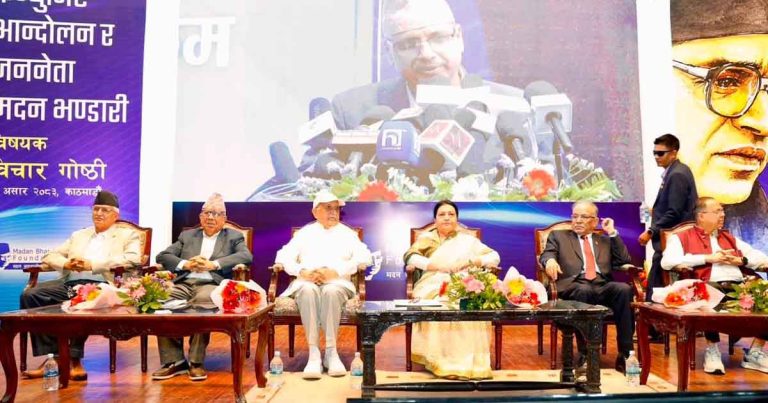
Four Former PMs Share Stage at Madan Bhandari Event
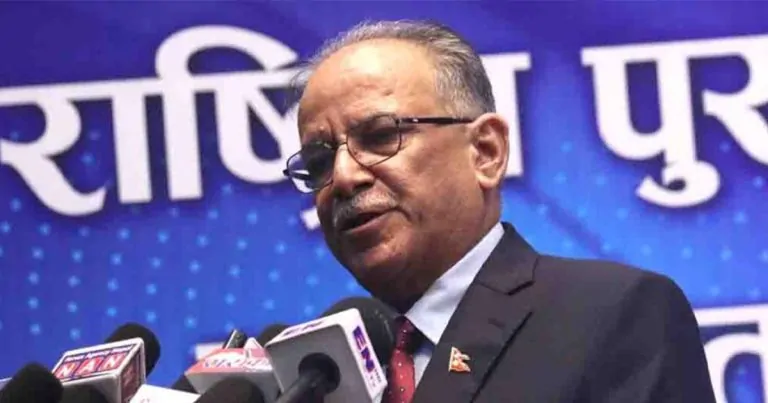
Prachanda Urges Left Unity at Bhandari Anniversary

Ramji Yadav Faces Scrutiny After Party Election Loss
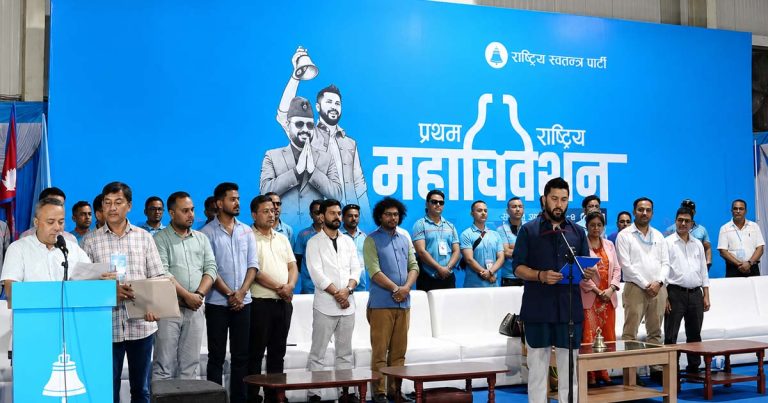
RSP Elects Rabi, Swarnim, Sobita and Bipin to Top Posts