Purna Bahadur Khadka Urges Fair Chief Justice Process
Nepali Congress leader Purna Bahadur Khadka calls for consensus and warns against changing the long-standing Chief Justice appointment tradition


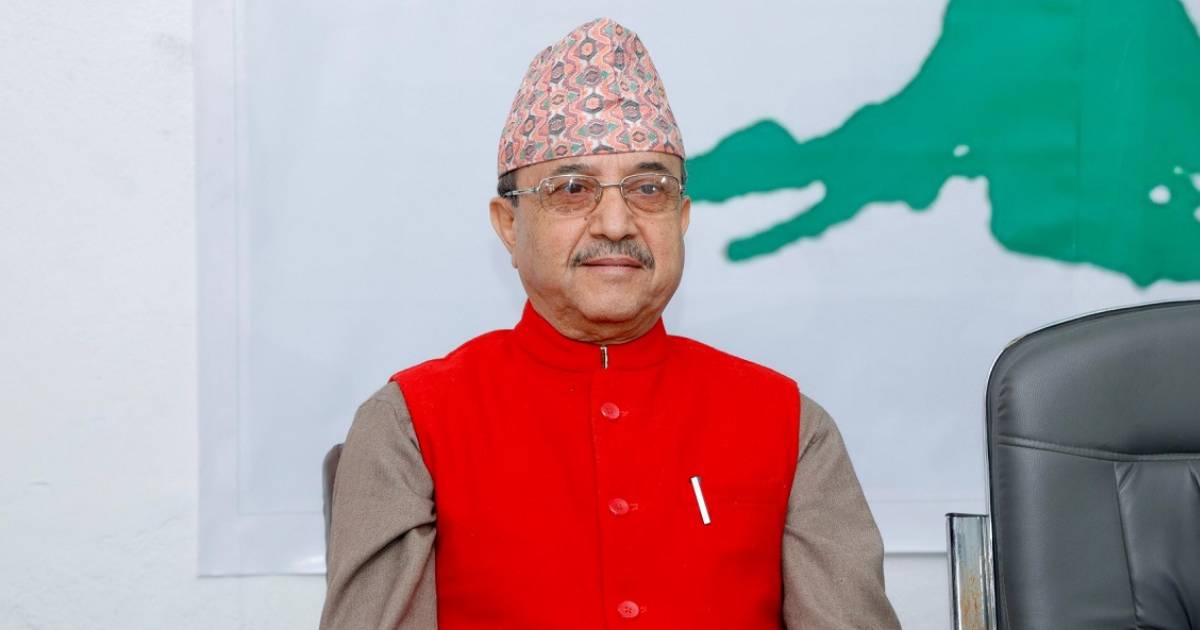
Nepali Congress leader Purna Bahadur Khadka has urged the Constitutional Council not to disrupt the long-established practice followed in recommending the Chief Justice of the Supreme Court.
His remarks came ahead of a Constitutional Council meeting scheduled for Thursday, where the recommendation for the appointment of a new Chief Justice is listed as a key agenda item.
The senior political figure warned that any attempt to ignore or alter the tradition followed for nearly four decades could create uncertainty and instability within the judiciary.
He also stressed that such a move could have wider consequences for the country’s democratic system and institutional balance.
Constitutional Council Meeting Scheduled for Thursday
The Constitutional Council is holding a meeting on Thursday under the chairmanship of Prime Minister Balendra Shah. According to information referred to by Khadka, the meeting is expected to discuss and move forward with the recommendation for the appointment of the next Chief Justice of the Supreme Court.
The issue has drawn public and political attention because the recommendation process is considered highly important for the country’s judicial independence and constitutional stability.
Concern Over Established Judicial Practice
In a statement posted on the social media platform X, Khadka said the Constitutional Council should not overturn the established tradition that has guided Chief Justice appointments for around four decades.
He indicated that maintaining continuity in the process is essential to preserving trust in the judiciary. According to him, any deviation from the long-followed practice could raise serious concerns inside the judicial system and create confusion among legal institutions.
Warning About Instability in the Judiciary
Khadka expressed concern that changing the established process could lead to insecurity and uncertainty within the Supreme Court and the broader judicial sector.
He warned that instability in the judiciary could have a direct impact on democratic institutions and governance. The Nepali Congress leader said such developments may create long-term challenges for the country’s constitutional system if the matter is not handled carefully.
- The Constitutional Council meeting is taking place on Thursday.
- The recommendation for the next Chief Justice is on the agenda.
- Khadka called for respect for the established appointment tradition.
- He warned against instability and uncertainty in the judiciary.
Call for Consensus-Based Decision
The senior leader also appealed for the Constitutional Council to reach its decision through consensus. He emphasized that a unanimous approach would help maintain institutional confidence and reduce the possibility of future disputes related to the appointment.
Khadka specifically drew the attention of the chair of the Constitutional Council, urging serious consideration before making any decision on the recommendation process.
Judiciary Appointment Process Under Focus
The upcoming recommendation has become a major point of discussion because the position of Chief Justice plays a central role in the functioning of the judiciary and constitutional interpretation.
The Constitutional Council’s decision is expected to influence public perception regarding transparency, continuity, and institutional credibility within the judicial system.
Political observers and legal circles are closely following the development as the meeting proceeds with the important appointment issue on its agenda.
Political Attention on Supreme Court Leadership
The debate surrounding the Chief Justice recommendation reflects the broader importance of judicial leadership in the country’s governance framework.
Khadka’s public statement has added political significance to the Constitutional Council meeting, particularly because it raises concerns about preserving institutional norms and preventing unnecessary uncertainty within the judiciary.
The recommendation process for the Chief Justice is expected to remain under close public scrutiny as discussions continue within the Constitutional Council.


Written by Pushpa Tamang
Pushpa Tamang is Managing Editor at Khoj Samachar, leading English and Nepali bureaus, newsroom operations, and editorial standards.
Prime Minister’s Office Like Hitler’s Gas Chamber: Lawmaker
Speaker Aryal: Learn Parliament, Not Your Phone
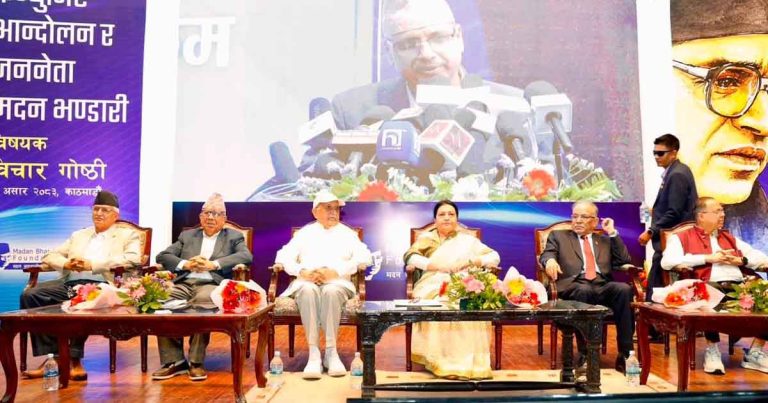
Four Former PMs Share Stage at Madan Bhandari Event
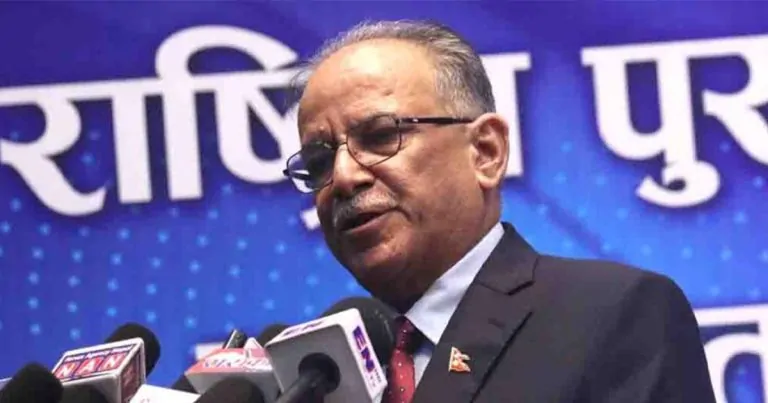
Prachanda Urges Left Unity at Bhandari Anniversary

Ramji Yadav Faces Scrutiny After Party Election Loss
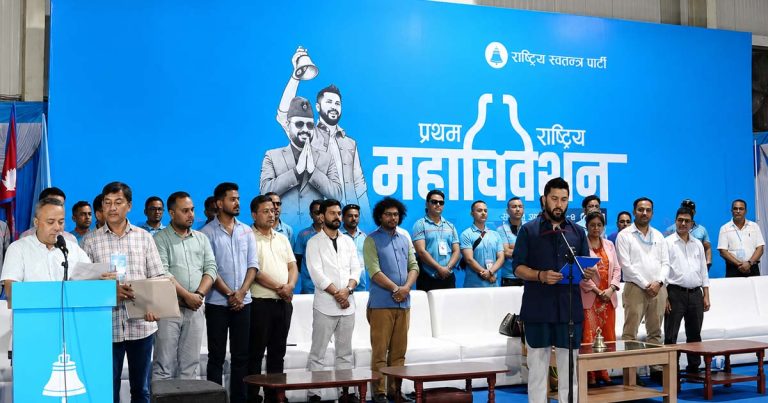
RSP Elects Rabi, Swarnim, Sobita and Bipin to Top Posts
RSP Central Committee Elected Members List 2026