Pakistan Defence Minister Khawaja Asif Criticizes US Policy Over Afghan Wars
Pakistan’s Defence Minister Khawaja Asif has criticized the United States over its role in the Afghan wars, raising concerns about long-term security consequences and bilateral relations.


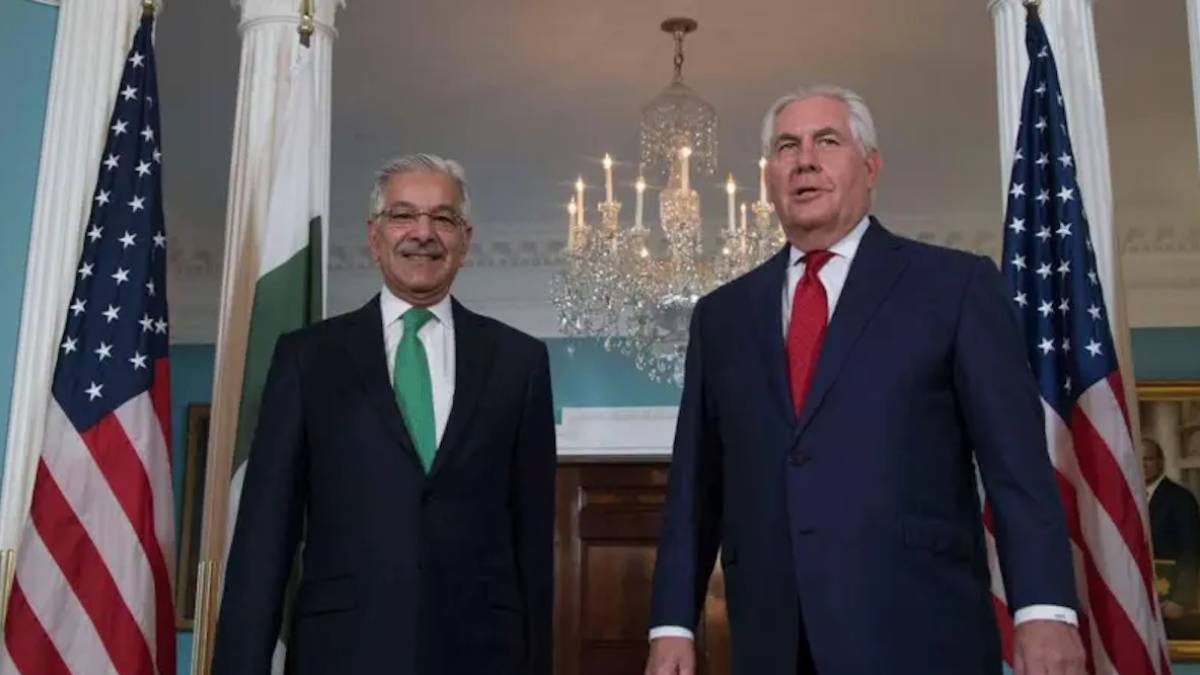
Pakistan’s Defence Minister Khawaja Asif has criticized the United States over its handling of bilateral ties, saying Pakistan was used for strategic purposes during the Afghan wars and later sidelined.
Speaking during a session of Pakistan’s upper house earlier this week, Asif addressed the country’s role in Afghanistan and its long-standing partnership with Washington. International media, including BBC, reported that Asif said the United States treated Pakistan as a disposable ally in pursuit of its geopolitical objectives.
Asif Rejects Religious Framing of Afghan Conflict
Asif said Pakistan’s involvement in the Soviet–Afghan war, which began in 1979, was not driven by religious motivations. He stated that the conflict was presented as a “jihad,” but described it as a geopolitical struggle between global powers.
According to Asif, Pakistan adjusted parts of its national curriculum and political narrative during that period. He said those changes were linked to the country’s alignment with US policy at the time.
He also said that cooperation with the United States after the September 11, 2001 attacks had significant consequences for Pakistan’s internal security situation.
Post-9/11 Cooperation and Security Impact
Pakistan became a key partner in the US-led campaign in Afghanistan following the 9/11 attacks. Asif said that supporting the US mission placed Pakistan in confrontation with militant groups and contributed to long-term security challenges.
He described the rise in militancy inside Pakistan as a “blowback” from earlier strategic decisions. Pakistan-based broadcaster Dawn News reported that Asif acknowledged Pakistan’s role in the two Afghan wars involved policy miscalculations.
International Response and Historical Context
Former US Special Representative for Afghanistan Zalmay Khalilzad responded on the social media platform X, questioning Pakistan’s past conduct. He suggested that while Pakistan received US assistance, it was also accused of allowing armed groups operating in Afghanistan to maintain a presence on its territory.
Pakistan has played a central role in major phases of the Afghan conflict, from supporting resistance forces during the Soviet occupation to partnering with Washington in the post-9/11 “War on Terror” and during the US withdrawal in 2021.
Relations between Islamabad and Washington have periodically faced strain. Tensions increased after Osama bin Laden was killed in a US operation in Abbottabad. During his first term, former US President Donald Trump suspended security assistance to Pakistan, citing concerns over counterterrorism cooperation.
The latest remarks by Asif have renewed debate over the trajectory of Pakistan–US relations and the long-term impact of decades of strategic partnership shaped by shifting regional priorities.


Written by Khoj Samachar Editorial Team | News Desk
Editorial team of Khoj Samachar responsible for publishing and managing news content, quality and timely coverage of national and global developments.
What Did Gyanendra Shahi Say to His Trolls?
Sobita Gautam Leads Nepal’s 166-Bill Legal Reform Drive
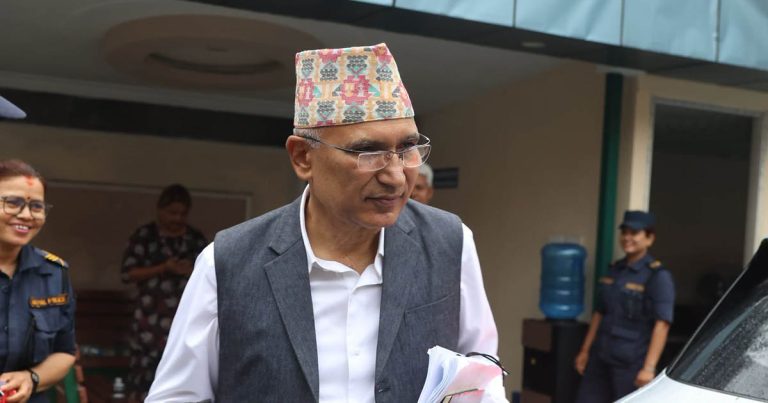
Bishnu Paudel Released Without Bail by Special Court
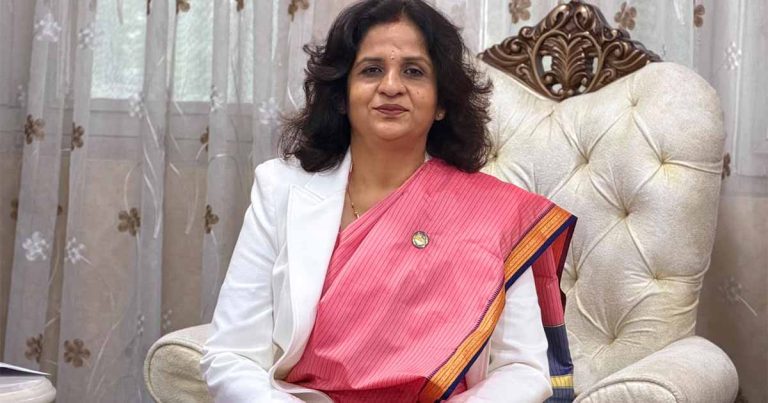
Industry Ministry Recovers Rs 467 Million in Unpaid Rent

Rekha Thapa Criticises Taxes, Says ‘Swarnim Nepal’

Supreme Court Orders Immediate Release of Former UML MP Koiri
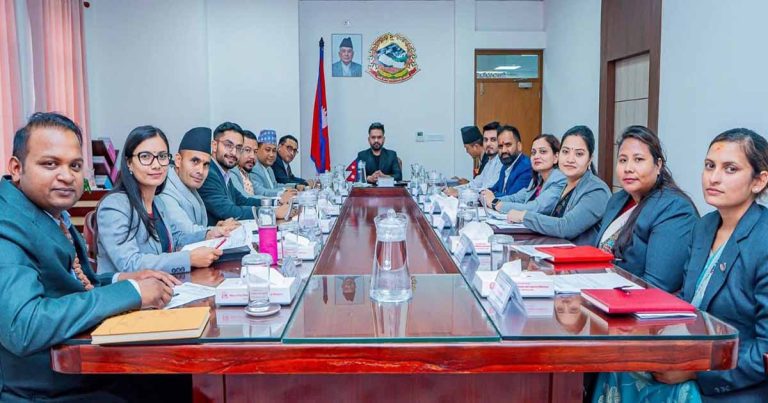
Government Restores Personal Secretary Facility for Lawmakers