Ordinance Row Escalates, Opposition Meets in Singha Durbar
Opposition parties gather at Singha Durbar to plan response as ordinance row deepens political tensions and raises constitutional concerns


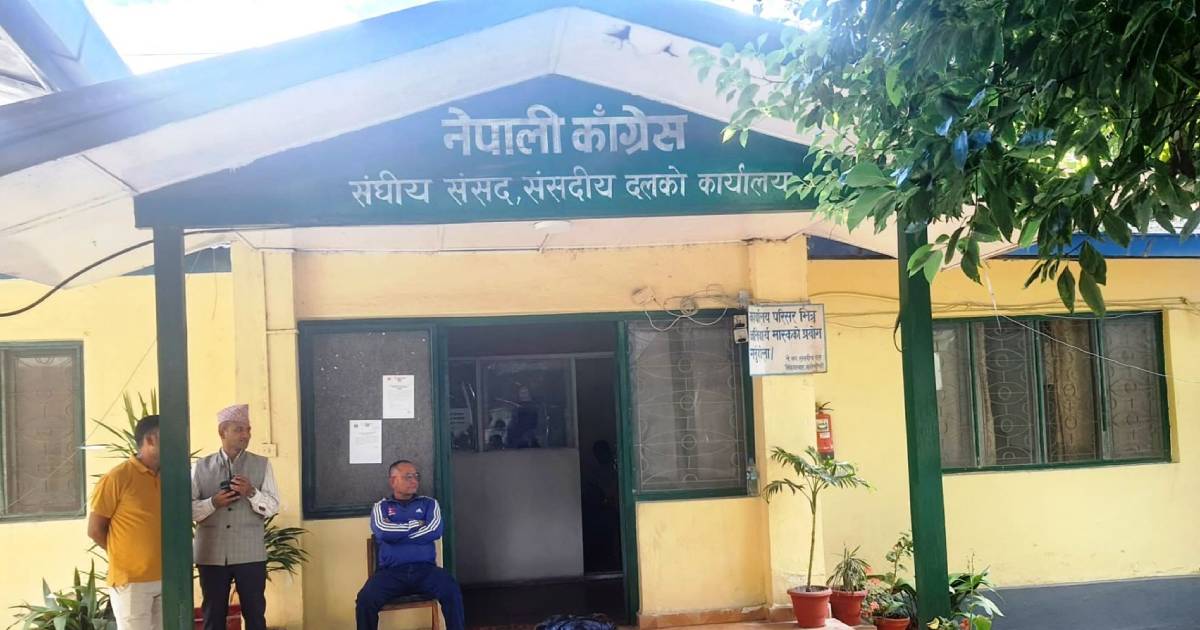
Nepal’s opposition parties have slammed the government’s decision to introduce key ordinances, calling the move unconstitutional and a direct attack on parliamentary sovereignty. The dispute has escalated political tensions and raised concerns about democratic governance in the country.
The controversy began after the government introduced ordinances related to the Constitutional Council and cooperatives while the parliamentary session was suspended. Opposition leaders argue this was a deliberate attempt to avoid legislative scrutiny.
Opposition Unites Against Government Move
Leader of the main opposition Nepali Congress parliamentary party, Bhishmaraj Angdembe, has called a meeting of opposition parties at Singha Durbar on Wednesday to coordinate a response.
Leaders from multiple parties, including UML, the Communist Party, Shram Sanskriti Party, and the Rastriya Prajatantra Party, have been invited, signaling a broader विपक्षी alliance.
Government Accused of Undermining Democracy
Opposition leaders say suspending the parliamentary session to issue ordinances is undemocratic. Angdembe described the move as “forceful politics” and an insult to the sovereign parliament. He warned that such actions weaken the constitution and erode democratic accountability.
Ordinances Sent for Presidential Approval
The controversy intensified after the ordinances were sent to the President for authentication on Tuesday, only then becoming public. Critics say the government avoided transparency and rushed the process. This has raised questions about the intent behind the ordinances and the lack of parliamentary debate.
Political Fallout Likely to Escalate
Several opposition parties have already expressed strong objections, raising the possibility of coordinated protests and disruptions in parliament.
Analysts warn the dispute could deepen political divisions and affect upcoming legislative processes in Nepal.


Written by Roshan Shrestha
Roshan Shrestha is a Nepali investigative journalist and founder of Khoj Samachar, covering corruption, transparency, and public-interest issues.
Prime Minister’s Office Like Hitler’s Gas Chamber: Lawmaker
Speaker Aryal: Learn Parliament, Not Your Phone
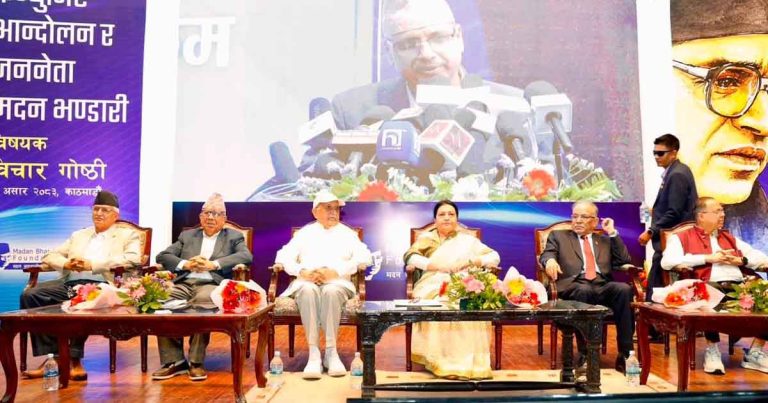
Four Former PMs Share Stage at Madan Bhandari Event
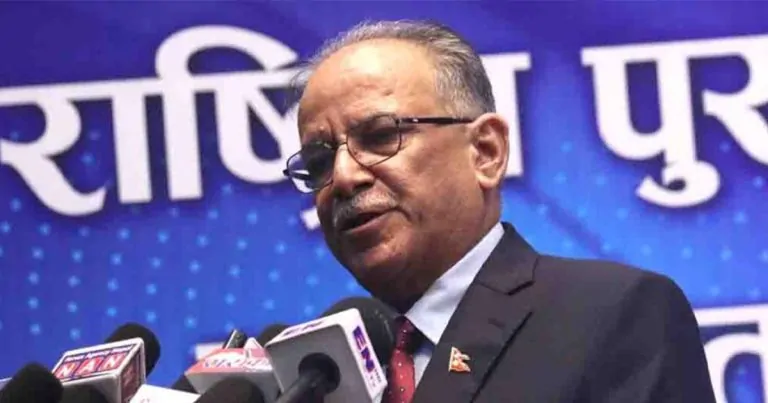
Prachanda Urges Left Unity at Bhandari Anniversary
Ramji Yadav Faces Scrutiny After Party Election Loss
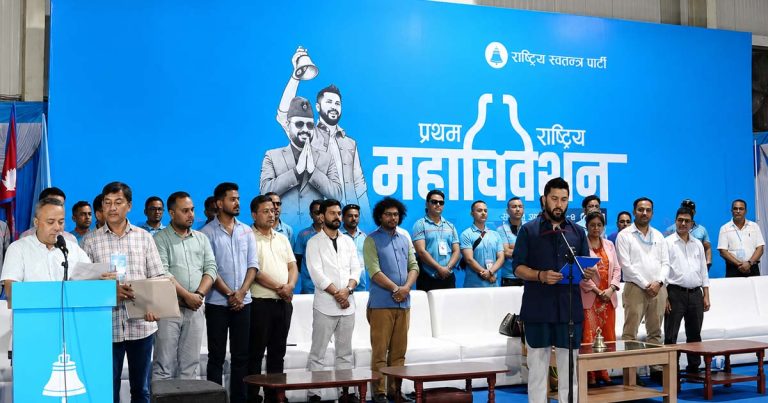
RSP Elects Rabi, Swarnim, Sobita and Bipin to Top Posts
RSP Central Committee Elected Members List 2026