Nisha Mehta Reviews National Ayurveda Centre Services
Minister seeks wider public reach, improved treatment quality and better use of the Budhanilkantha centre’s natural setting.


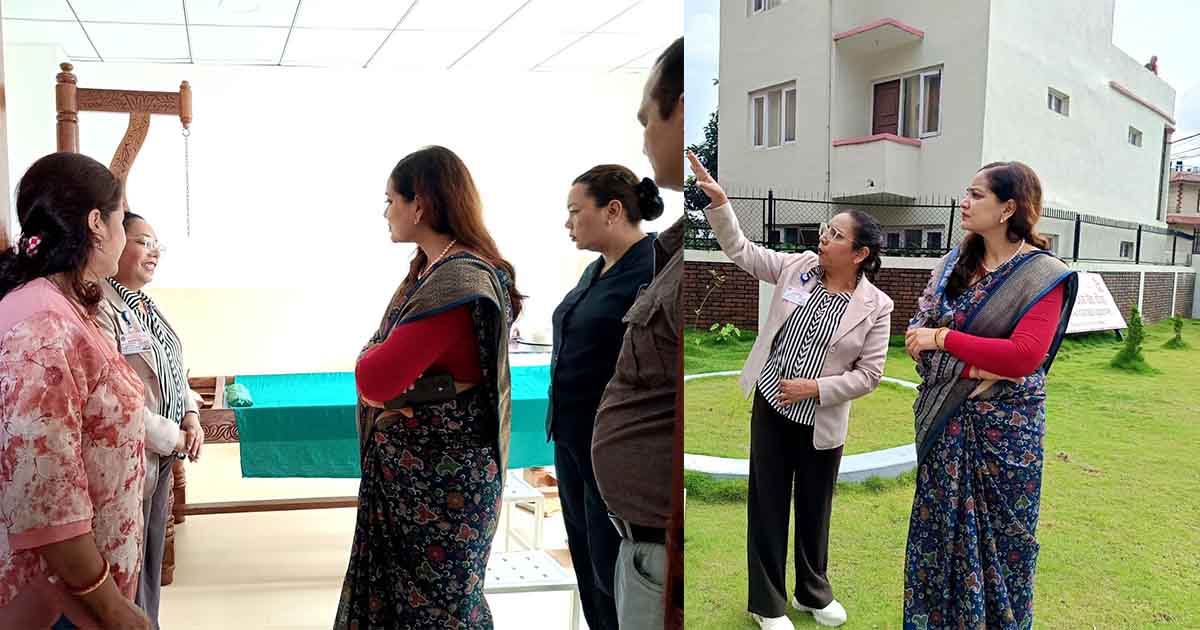
The National Ayurveda, Panchakarma and Yoga Centre in Budhanilkantha needs stronger services, better public communication and consistent quality improvement if it is to grow into a specialised healthcare destination, Minister for Health and Food Hygiene Nisha Mehta has said.
Inspecting the centre on Saturday, Mehta reviewed its Ayurveda, Panchakarma and yoga services, physical infrastructure and future plans. She also held discussions with officials on expanding access, improving treatment standards and strengthening the institution’s overall development.
Her remarks placed the centre’s immediate challenge beyond infrastructure alone. The services are already available, but their reach will remain limited unless the public clearly understands what the centre offers and why its treatment facilities are distinct.
Public awareness must grow with services
Mehta said information about the centre’s services and their special features had not reached the public adequately.
She asked officials to give greater attention to effective communication while continuing to expand services. Establishing the centre as a leading destination for Ayurveda, Panchakarma and yoga treatment would allow many more citizens to benefit from the facilities, she said.
The discussion during the inspection also focused on making treatment more accessible without compromising quality. The minister stressed that service expansion and public promotion should move together.
Green surroundings seen as part of the centre’s identity
The minister also drew attention to the natural beauty and greenery of the Budhanilkantha premises, describing them as important features that should be protected.
She said the environmental character of the centre could strengthen its identity as a place for Ayurveda, yoga and restorative treatment. The ministry would provide the necessary policy and institutional support to make the surroundings more organised and attractive, she added.
The campus could also be linked with the cultivation and conservation of medicinal plants.
Mehta encouraged the centre to promote the farming and use of locally available plants, including chebulic myrobalan, belleric myrobalan and sweet flag. She said the ministry would assist with the facilitation and support required for such work.
Traditional treatment remains part of government health policy
Mehta said the government’s policy is to further strengthen Ayurveda, yoga and natural medicine as important parts of Nepal’s health system.
She said the ministry remained committed to providing citizens with healthcare that is high-quality, effective and easily accessible.
For the Budhanilkantha centre, that commitment will now be measured not only by new plans and improved facilities, but by whether more people can find, understand and confidently use the services already available there.

Written by Roshan Shrestha
Roshan Shrestha is a Nepali investigative journalist and founder of Khoj Samachar, covering corruption, transparency, and public-interest issues.
Government Gives 7 Days to Clear Janakpur Pond Encroachments

Lalitpur Smart Barrier Closes at Red Light, Opens at Green

Swarnim Wagle’s Secretariat Tells Investors Not to Panic
Nepal Government Increases Employee Salaries by 21 Percent
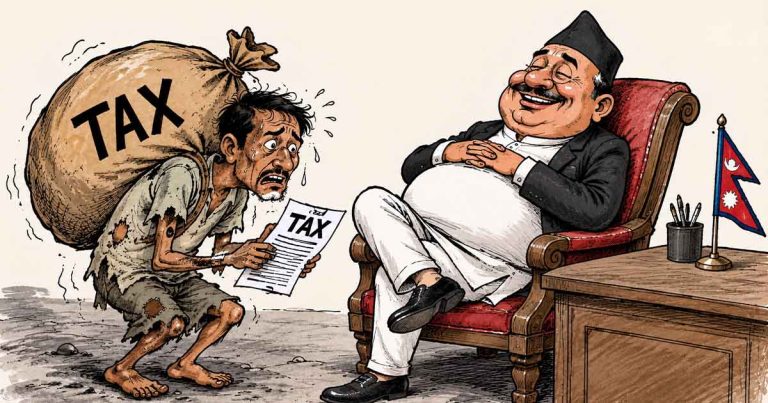
Tax Upon Tax for Nepal’s Public, Personal Secretaries for Lawmakers
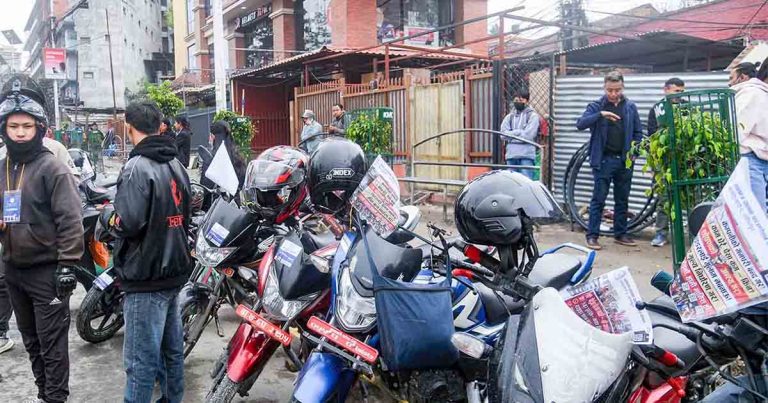
Pathao, InDrive Riders to Pay 5% VAT on Earnings from Friday
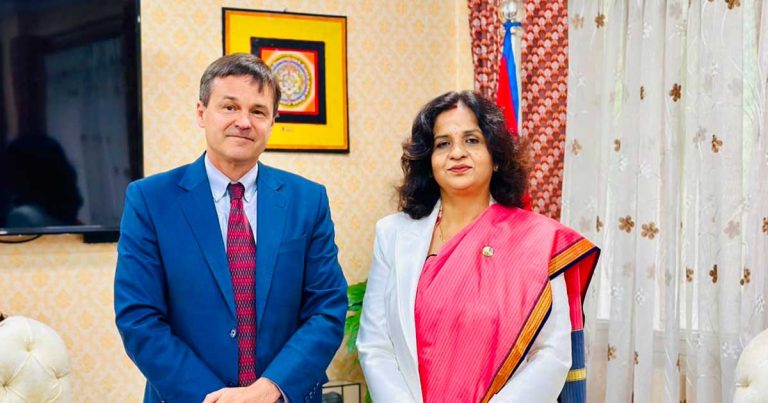
Minister Yadav Presses US to Restore Nepal Trade Preference