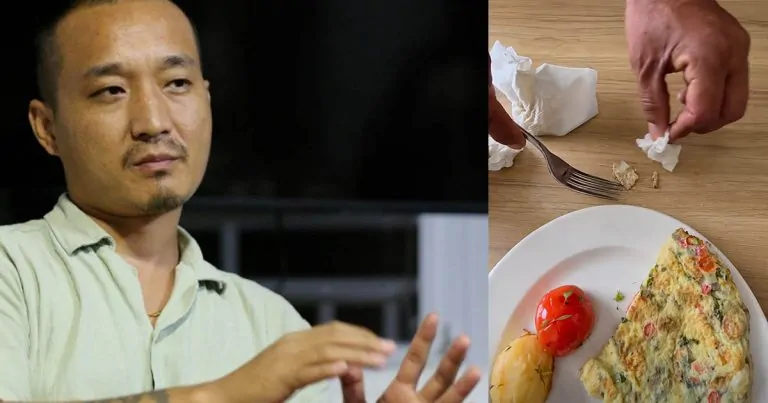
Nepal Political Instability Deepens Amid Growing Party Divisions, Says Dharmendra Bastola
Nepal faces escalating political instability as internal conflicts grow within major parties, according to Dharmendra Bastola of the Communist Party of Nepal (Majority), who urges urgent structural reforms for lasting change.


Kathmandu — Nepal’s political scene is showing signs of growing instability, with divisions surfacing inside many of the country’s main parliamentary parties. At a press conference in Kathmandu on Tuesday, Dharmendra Bastola, General Secretary of the Communist Party of Nepal (Majority), spoke frankly about his worries over how the political system is heading.
Bastola said this wave of division isn’t just about fights between leaders — it goes much deeper. He believes Nepal’s parliamentary parties have failed to update the country’s old economic, social, and production systems. “The political parties have failed to meet the expectations of the people,” he said. “When society stops moving forward or changing, people start looking for other options.”
He pointed out rising tensions in nearly every major party — from CPN-UML and Maoist Centre to Unified Socialist, Nepali Congress, and Rastriya Prajatantra Party (RPP). In the UML, for example, Bastola noted growing conflict between KP Sharma Oli and Bidhya Bhattarai. Similar power struggles, he said, are happening in other parties too — showing a bigger problem of disunity and lack of clear direction.
Criticism of the Whole System
But Bastola didn’t just criticize the parties — he also took aim at Nepal’s parliamentary system itself. He compared it to a “gambling table” where, no matter who plays, the outcome stays the same. His point was clear: just changing leaders or forming new alliances won’t fix the bigger problems holding the country back.
He said Nepal’s political instability comes from deeper issues — old production methods, unfair labor practices, and social stagnation. He called for a political approach that focuses on fairness, justice, and real reform, instead of short-term power grabs.
“As long as Nepal’s political system ignores these root problems,” he warned, “instability will keep spreading — within parties and across society.” His words go beyond party rivalries. They raise an important question: will Nepal keep running on this broken system, or is it finally time to make real change? Without real transformation, Bastola said, the cracks will only get bigger.


Written by Khoj Samachar Editorial Team | News Desk
Editorial team of Khoj Samachar responsible for publishing and managing news content, quality and timely coverage of national and global developments.
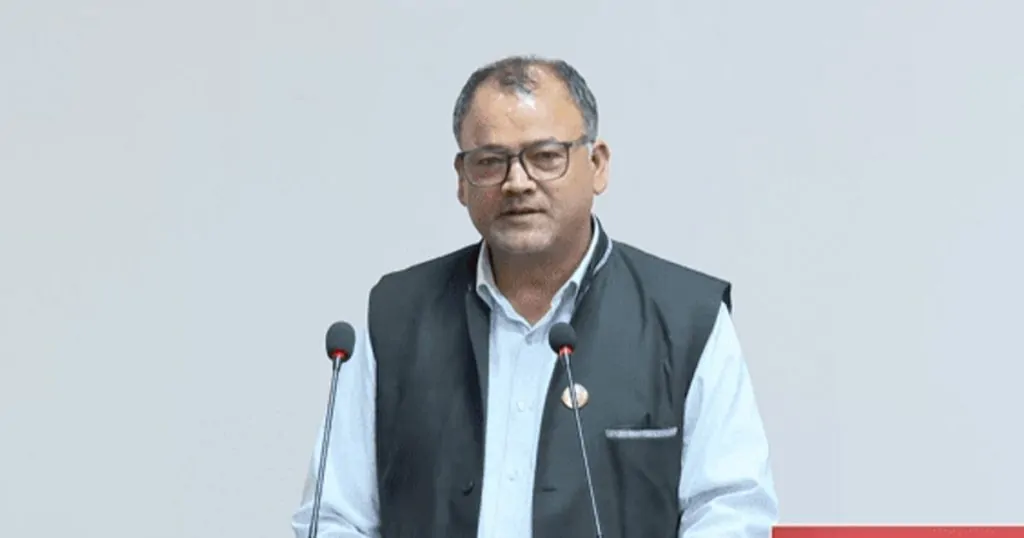
Prime Minister’s Office Like Hitler’s Gas Chamber: Lawmaker
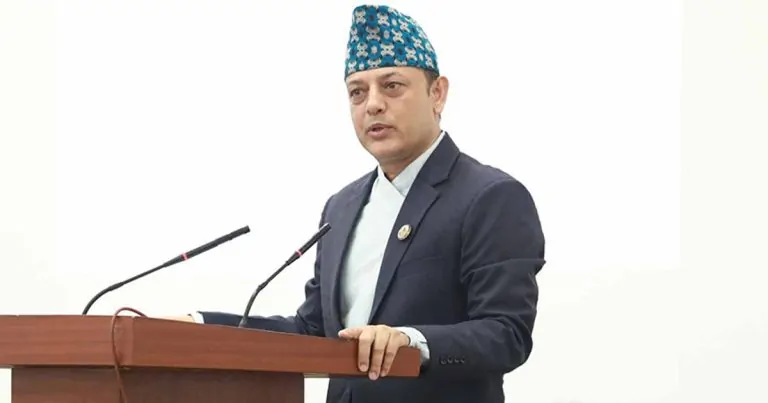
Speaker Aryal: Learn Parliament, Not Your Phone
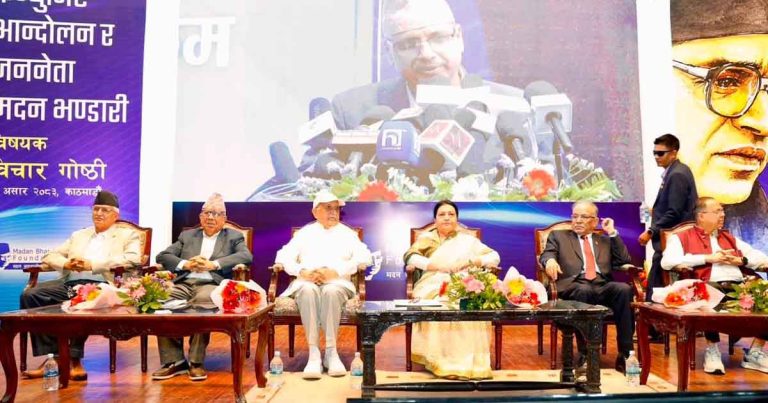
Four Former PMs Share Stage at Madan Bhandari Event
Prachanda Urges Left Unity at Bhandari Anniversary
Ramji Yadav Faces Scrutiny After Party Election Loss
RSP Elects Rabi, Swarnim, Sobita and Bipin to Top Posts
RSP Central Committee Elected Members List 2026