Nepal Ministers’ Gold Revealed: PM Balen Tops With 190 Tola
Nepal cabinet ministers disclose gold holdings, showing who owns how much across the cabinet


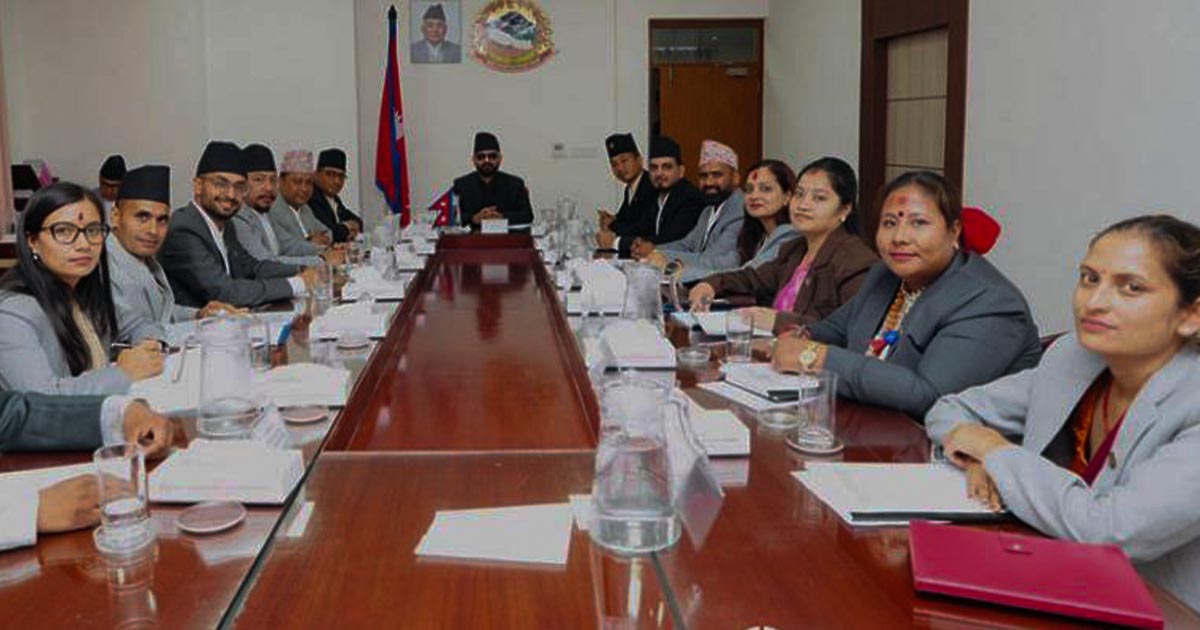
Nepal’s latest cabinet asset disclosure has triggered widespread attention after revealing significant gold holdings among ministers, showing who owns how much across the government. The details highlight a rare level of transparency in Nepal’s politics, with Prime Minister Balen Shah topping the list, as the revelations spark debate over wealth, accountability, and the sources of income.
Asset Declarations Trigger Debate in Nepal
The asset details, made public late at night, have drawn significant attention in both mainstream media and social media. Headlines describing the current administration as a “golden government” have appeared, reflecting the notable amount of gold owned by members of the cabinet.
According to the disclosures, all ministers, including Prime Minister Balen Shah, hold substantial assets, ranging from lakhs to crores in value. Notably, every minister listed ownership of gold, alongside properties, land, vehicles, and shares.
Gold Holdings of Nepal Cabinet Ministers
The declared gold holdings of key members of the cabinet are as follows:
- Prime Minister Balen Shah – 190 tola
- Industry Minister Gauri Kumari – 180 tola
- Home Minister Sudhan Gurung – 89 tola
- Labour Minister Ramji Yadav – 80 tola
- Finance Minister Swarnim Waglé – 45 tola
- Physical Infrastructure Minister Sunil Lamsal – 30 tola
- Health Minister Nisha Mehta – 30 tola
- Federal Affairs Minister Pratibha Rawal – 25 tola
- Education Minister Sasmita Pokharel – 25 tola
- Foreign Minister Shishir Khanal – 22 tola
- Women and Children Minister Sita Wadi – 18 tola
- Energy Minister Biraj Bhakta Shrestha – 15 tola
- Law Minister Sobita Gautam – 15 tola
- Tourism Minister Khadkaraj Poudel – 11 tola
- Communication Minister Bikram Timilsina – around 7 tola
- Agriculture Minister Gita Chaudhary – 5 tola
Transparency Praised, Questions Remain
The publication of assets has led to mixed reactions. Some supporters have praised the move as a sign of transparency, stating that members of the current cabinet were financially stable even before entering politics.
Others, however, have raised concerns about the sources of wealth, linking certain individuals to various organizations and questioning how the assets were accumulated.
Independent observers emphasize that owning wealth is not an issue in itself. However, they stress that the legitimacy of income sources must be verified by relevant state authorities.
Call for Verification of Wealth Sources
The government is reportedly preparing to form a commission to investigate the assets of individuals who have held public office since 2046 BS. Analysts suggest that the verification process should begin with current cabinet members, including the Prime Minister.
Although most ministers have disclosed the sources of their assets, these claims will only be confirmed after official verification by concerned institutions.
Public Debate Over Wealth and Political Selection
The disclosures have also raised broader questions about political representation. Observers are asking whether all elected representatives are similarly wealthy, or whether wealthier individuals are more likely to be appointed to ministerial positions.
The appointment of Industry Minister Gauri Kumari has drawn particular attention, as she appears among the wealthiest ministers, with significant gold holdings and land ownership. Her reported connection to Prime Minister Balen Shah’s hometown has also been discussed on social media.
Looking Ahead
The current developments highlight an evolving political environment in Nepal, where transparency in asset disclosure is becoming more visible. While the disclosures have increased public awareness, the focus now shifts to verification and accountability.
If all ministers can substantiate the sources of their wealth, analysts suggest that concerns may ease. Until then, the debate around transparency, accountability, and governance is likely to continue.


Written by Roshan Shrestha
Roshan Shrestha is a Nepali investigative journalist and founder of Khoj Samachar, covering corruption, transparency, and public-interest issues.
Khawalung School Video: What Happened Between Teacher and Student?
Nepal to Fine Fuel Pumps Up to NPR 1 Million for Shutting Down
Why Susta Residents Have Come to Kathmandu?
Nepal Government to Print National ID Cards Itself
Everything You Need to Know About the 2026/27 National Budget
Singha Durbar Toilets Remain in Poor Condition
Manoj Kumar Sharma Set to Become Nepal’s Chief Justice