Bipin Kumar Acharya Slams Poverty Politics Narrative, Defends Wealth Transparency Debate
RSP leader challenges moral framing of poverty in politics, calls for focus on transparency and legitimate wealth sources


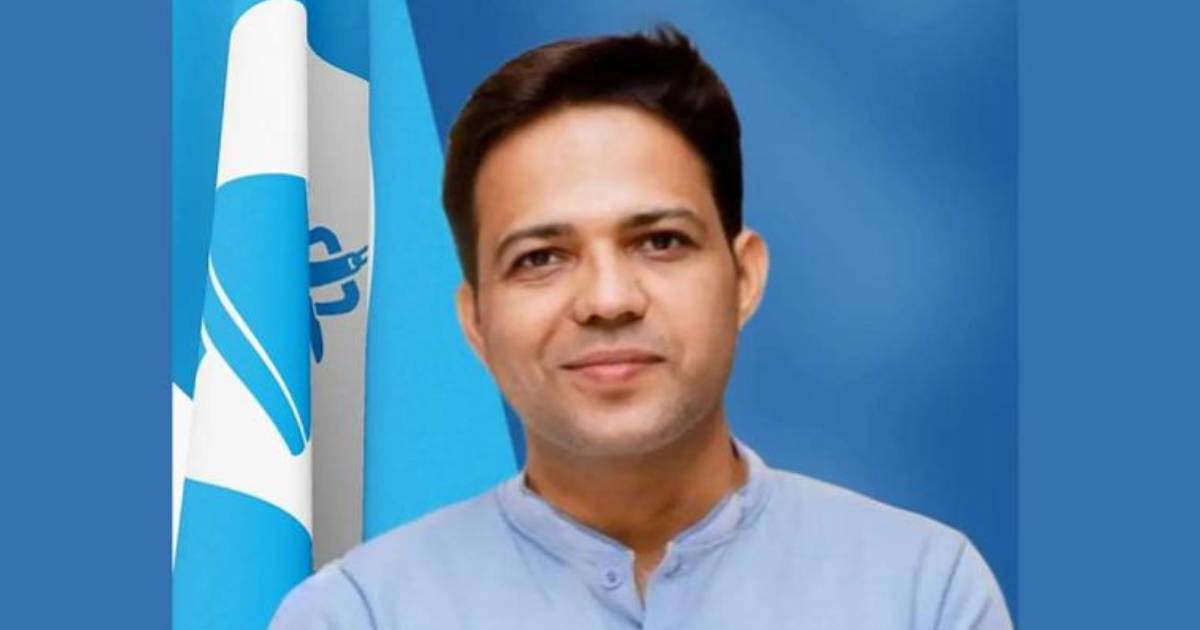
Bipin Kumar Acharya has sparked a fresh debate in Nepal politics by criticizing what he calls the glorification of poverty as a symbol of honesty, arguing that wealth should not be treated as a moral failure. The remarks come amid growing scrutiny over asset disclosures by top government officials.
The Rastriya Swatantra Party (RSP) co-general secretary said the focus should shift from how wealthy a leader is to how that wealth was earned and whether it is transparently declared.
Debate intensifies over wealth and integrity
Acharya’s comments follow public discussions surrounding asset declarations made by the prime minister and cabinet ministers, which have triggered both criticism and support across political circles.
He pushed back against the narrative that equates financial struggle with integrity, describing it as a “hypocritical mindset” that needs to end in modern politics. “Being wealthy is not a sin or a crime,” Acharya said, adding that the real question lies in whether assets are earned through enterprise and hard work or through corruption.
Calls for transparency over symbolism
The RSP leader emphasized that transparency and accountability—not personal financial status—should define public trust in leaders. According to him, a leader’s credibility depends on whether they openly disclose their assets and maintain accountability to the state.
He warned that focusing solely on outward symbols like “torn slippers” or “empty pockets” risks oversimplifying deeper governance issues.
Push for a new political mindset
Acharya argued that Nepal cannot progress by repeatedly “selling stories of scarcity and suffering,” suggesting that such narratives limit the country’s vision for development. Instead, he called for a shift toward recognizing individuals who innovate, generate wealth legally, and contribute to national growth while remaining accountable.
Wider political implications emerge
His remarks are likely to resonate in a political landscape where public perception often ties modest living with honesty, especially amid ongoing concerns about corruption. Analysts say the statement could fuel broader conversations about redefining political ethics in Nepal, particularly as newer parties like RSP attempt to reshape traditional narratives.
As debates continue, Acharya’s intervention highlights a growing tension between symbolism and substance in Nepal’s evolving political discourse.


Written by Pushpa Tamang
Pushpa Tamang is Managing Editor at Khoj Samachar, leading English and Nepali bureaus, newsroom operations, and editorial standards.
Nepal, Australia Hold Talks on Trade, Investment and Tourism
Nepal Signs Helicopter, Drone and Raft Rescue Agreements

Nagarik App Now Shows Blood Stocks Across Nepal
Sudan Gurung Meets Predatory Lending Victims in Bara
Hetauda Textile Industry Set to Reopen

Ghorahi Ward Member Arrested Over Engine Oil Attack
Rasuwagadhi Hydropower Stops Power Generation as Rivers Rise