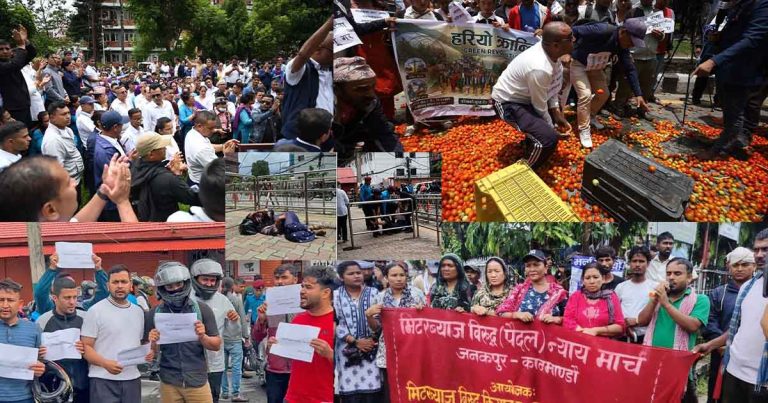
Nepal PM Balen Shah Expands Cabinet, Appoints Industry and Labour Ministers
New appointments signal leadership shift after Labour Minister’s removal, with RSP figures taking key economic portfolios.


Nepal Prime Minister Balen Shah has expanded his cabinet, appointing new Industry and Labour ministers in a move that signals a shift in economic leadership. The decision follows the sudden removal of the previous Labour Minister, highlighting evolving political dynamics.
President Ram Chandra Poudel approved the appointments on the recommendation of Prime Minister Balen Shah, according to the Prime Minister’s Secretariat. Gaurikumari Yadav has been appointed as Industry Minister, while Ramji Yadav will take over as Labour Minister. Both leaders are lawmakers from the Rastriya Swatantra Party (RSP).
Cabinet Expansion Follows Ministerial Shake-Up
The cabinet reshuffle comes just a day after former Labour Minister Deepak Kumar Sah was relieved of his duties. The move was reportedly made on the recommendation of RSP chairman Rabi Lamichhane, indicating internal party coordination behind the decision.
Officials say the changes are part of a broader effort to strengthen governance and streamline leadership in key ministries.
New Ministers to Take Oath Today
The newly appointed ministers are scheduled to take the oath of office later today at the President’s Office in Shital Niwas, Kathmandu. Both Gaurikumari Yadav and Ramji Yadav were elected to the House of Representatives in the march 5 polls, representing Mahottari-4 and Saptari-2 constituencies respectively.
Industry Portfolio Previously Held by PM
Prime Minister Shah had retained the Industry Ministry portfolio since the beginning of his tenure, making this appointment a notable shift in his cabinet strategy. Political observers suggest the move could help distribute responsibilities more effectively as the government faces mounting economic and labour-related challenges.
Political Signals Ahead of Policy Priorities
The inclusion of RSP lawmakers in key economic roles is being viewed as a strategic decision, potentially aimed at reinforcing coalition alignment and addressing pressing employment concerns.
The latest cabinet expansion underscores a recalibration within the government, with implications for policy direction and administrative focus in the coming months.


Written by Roshani Shrestha Pathak
Roshani Shrestha Pathak is the English Bureau Chief at Khoj Samachar, overseeing English-language editorial operations and newsroom coordination.
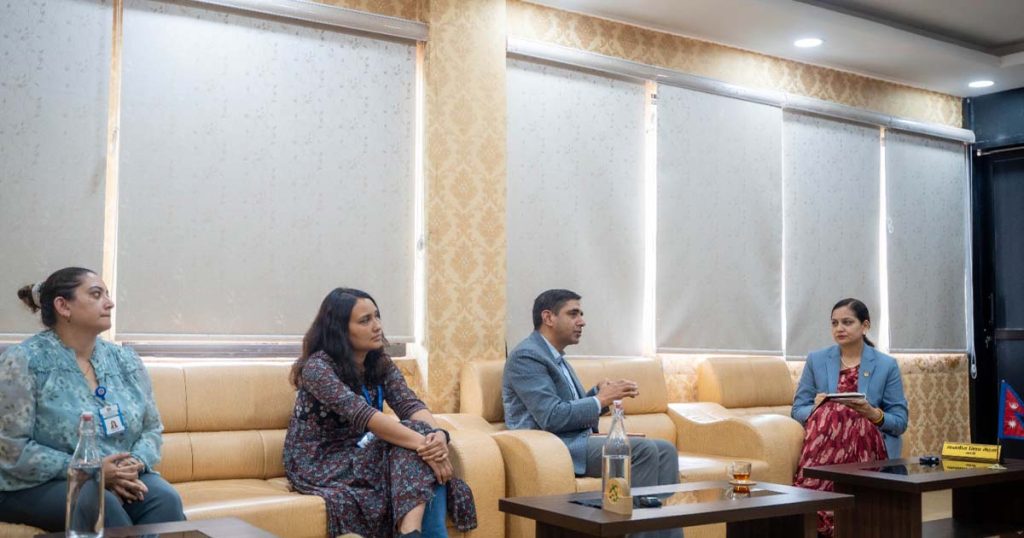
Nepal Plans IVF Rules to Strengthen Patient Safety
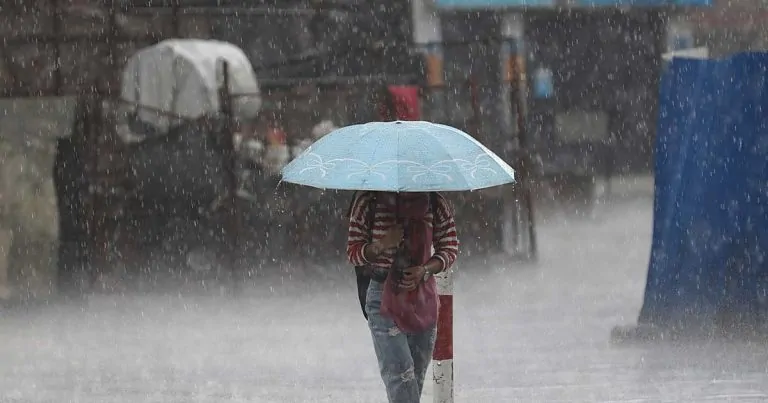
Heavy Monsoon Rain Raises Flood Risk Across Nepal
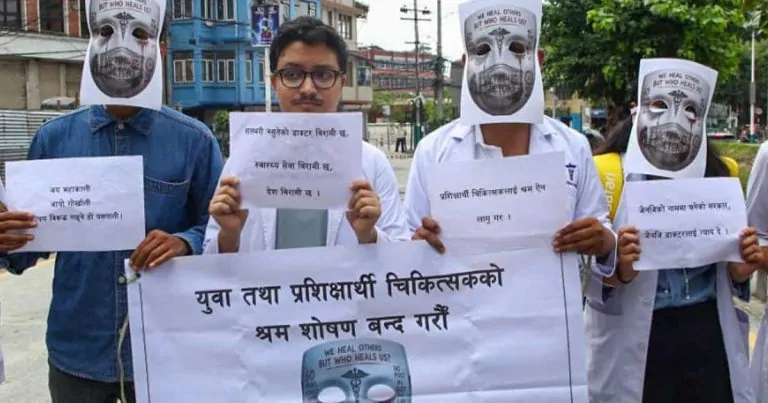
Young Doctors Demand Legal Limits on Hospital Duty Hours
Heavy Monsoon Rain Puts Nepal on Alert
Health Minister Mehta Promises Better Healthcare for Minorities
National ID Now Required for Old Bank Accounts in Nepal
Saptakoshi Flood Rises, 21 Koshi Barrage Gates Opened