What Caused Nepal’s Nationwide Doctors’ Protest?
Outpatient services were suspended across public and private hospitals as doctors demanded stronger workplace security following the assault on a physician at Narayani Hospital in Birgunj.


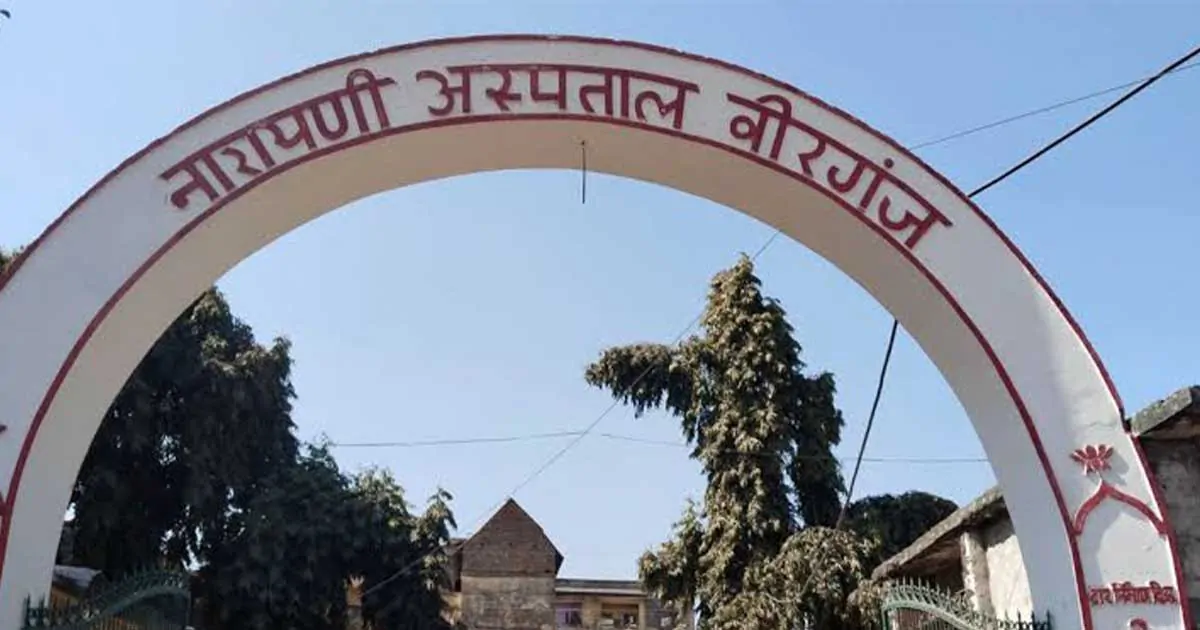
Patients across Nepal were left stranded on Tuesday after doctors in both public and private hospitals halted all non-emergency services, demanding stronger protection for healthcare workers following an attack on a physician at Narayani Hospital in Birgunj. The nationwide disruption has affected outpatient departments (OPDs), forcing many patients who had queued since early morning to return home without treatment after learning that services had been suspended.
The protest reflects growing frustration among medical professionals, who say repeated attacks inside hospitals have made it increasingly difficult to work without fear. While emergency care and treatment for patients already admitted to hospitals have continued, routine consultations have come to a standstill across the country.
The Incident That Triggered the Protest
The current standoff traces back to an incident on July 23 (Shrawan 8), when 45-year-old Rajkumar Patel died at Narayani Hospital in Birgunj.
Following his death, Patel’s relatives accused hospital staff of negligence, alleging that oxygen support was disconnected while he was being transferred from one location to another within the hospital, leading to his death.
The allegations quickly escalated into unrest. Protesters vandalized hospital property and physically assaulted Dr. Pramod Ram, leaving him with serious injuries to his head and other parts of his body. He is currently undergoing treatment at the Trauma Centre in Kathmandu.
Doctors Say Safety Must Come First
The attack prompted doctors at Narayani Hospital to launch protests demanding a safe working environment inside healthcare facilities.
A discussion was later held involving hospital representatives, the deceased patient’s family, the Chief District Officer (CDO) of Parsa, and senior police officials. An investigation committee was formed to examine the circumstances surrounding the patient’s death.
Doctors, however, say the situation worsened after hospital representatives were allegedly mistreated by the CDO and the district’s police chief during those discussions. In response, all doctors at Narayani Hospital intensified their protest.
Mass Resignations at Narayani Hospital
The unrest has also led to resignations within the hospital.
Out of 70 doctors serving at Narayani Hospital, 30 have already submitted their resignations. The remaining doctors are also preparing to resign collectively if their concerns remain unaddressed.
Medical Association Expands Protest Nationwide
Citing what it described as the state’s failure to respond responsibly to doctors’ security concerns and to take action against everyone involved in the vandalism and assault, the Nepal Medical Association called for a nationwide suspension of all services except emergency care on Tuesday.
Hospitals across the country followed the association’s appeal, shutting down OPD services while continuing emergency treatment and care for patients already admitted.
The shutdown has affected hundreds of thousands of people seeking routine medical care, underscoring how deeply disputes over hospital security can ripple through Nepal’s public health system. The protest is no longer confined to one hospital; it has become a broader demand for institutional guarantees that doctors can carry out their duties without the threat of violence.
Police Investigation Underway
Police have arrested one person accused of involvement in the attack on Narayani Hospital.
Authorities say CCTV footage from the hospital is being reviewed to identify and locate others who participated in the vandalism and assault.
Doctors, however, maintain that their movement will continue until the government provides credible assurances that healthcare workers will be able to work safely inside hospitals.

Written by Roshani Shrestha Pathak
Roshani Shrestha Pathak is the English Bureau Chief at Khoj Samachar, overseeing English-language editorial operations and newsroom coordination.
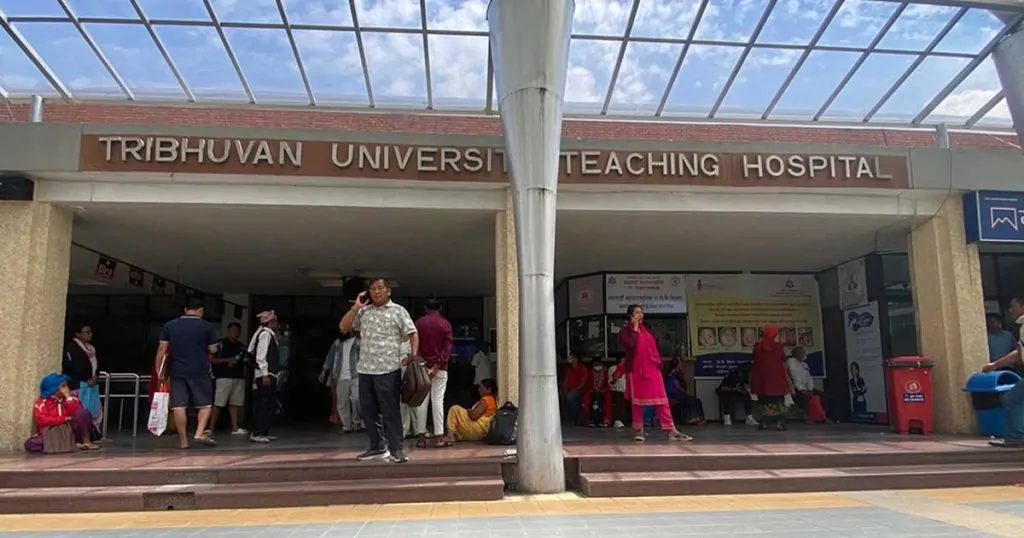
Doctors’ Protest Shuts OPD Services Across Nepal
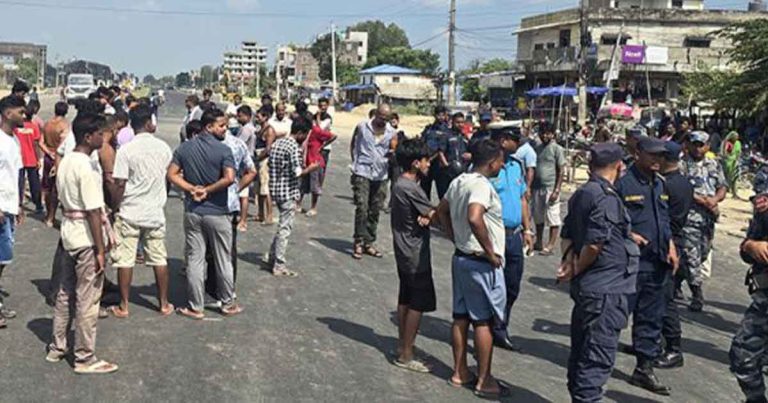
Sunsari Update: Siraha Protesters Demand PM’s Resignation

Narayani Hospital Doctors Resign, Ministry Appeals
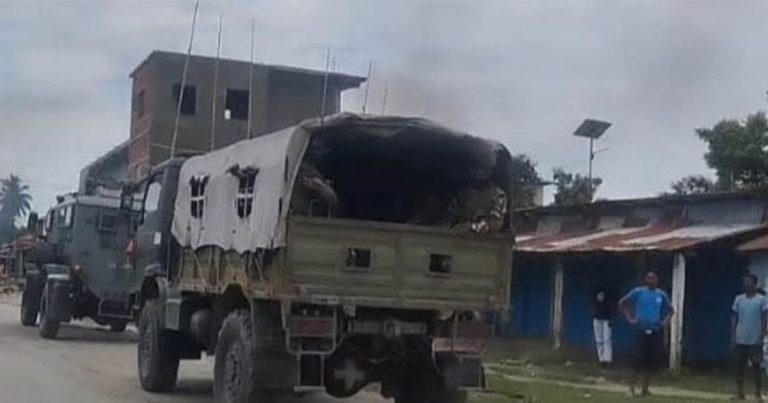
Army Deployed as Curfew Protest Grows in Sunsari
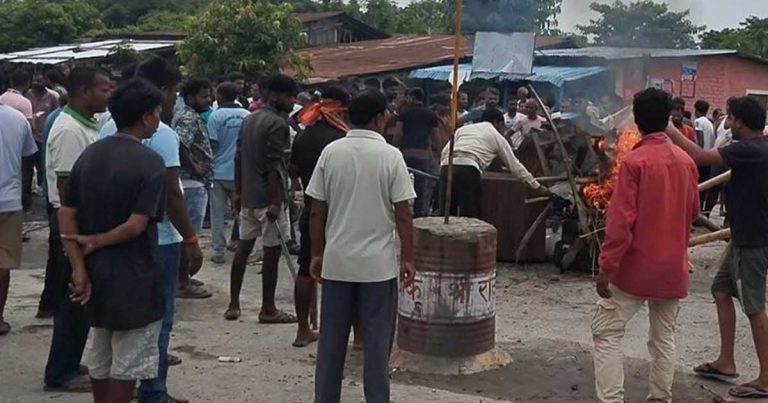
Sunsari Curfew Broken, Government Forms Probe Team
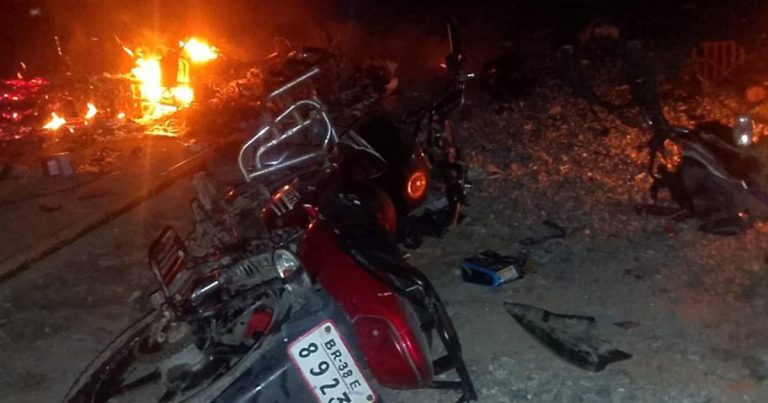
Clash Between Two Communities in Sunsari Leaves One Youth Dead
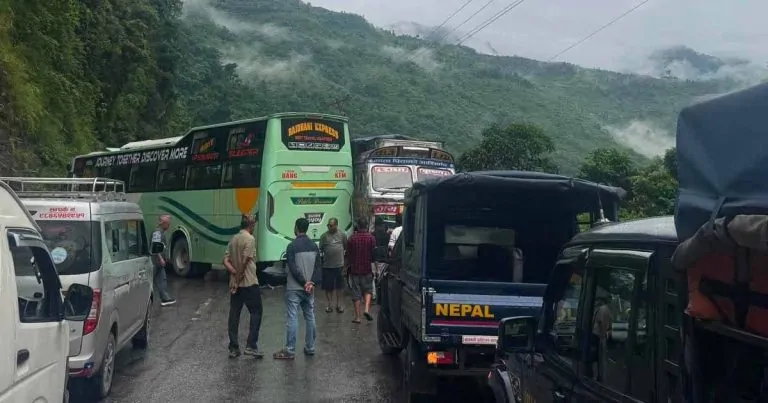
Two Buses Collide, Block Muglin–Narayangadh Road