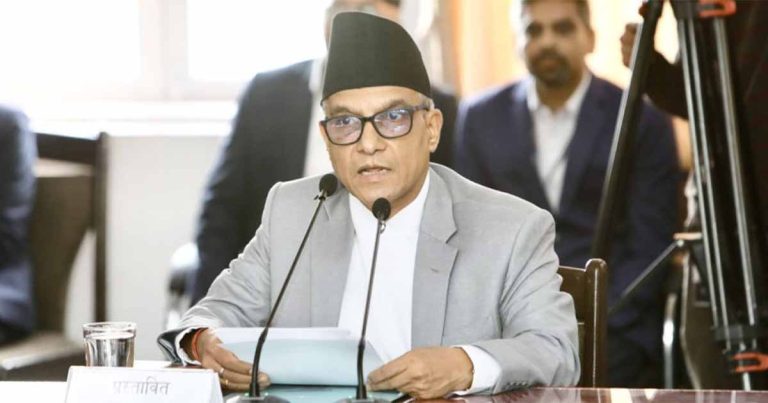
Manoj Kumar Sharma Recommended as Nepal Chief Justice
Constitutional Council recommends Supreme Court Justice Manoj Kumar Sharma for Chief Justice despite debate over judicial seniority


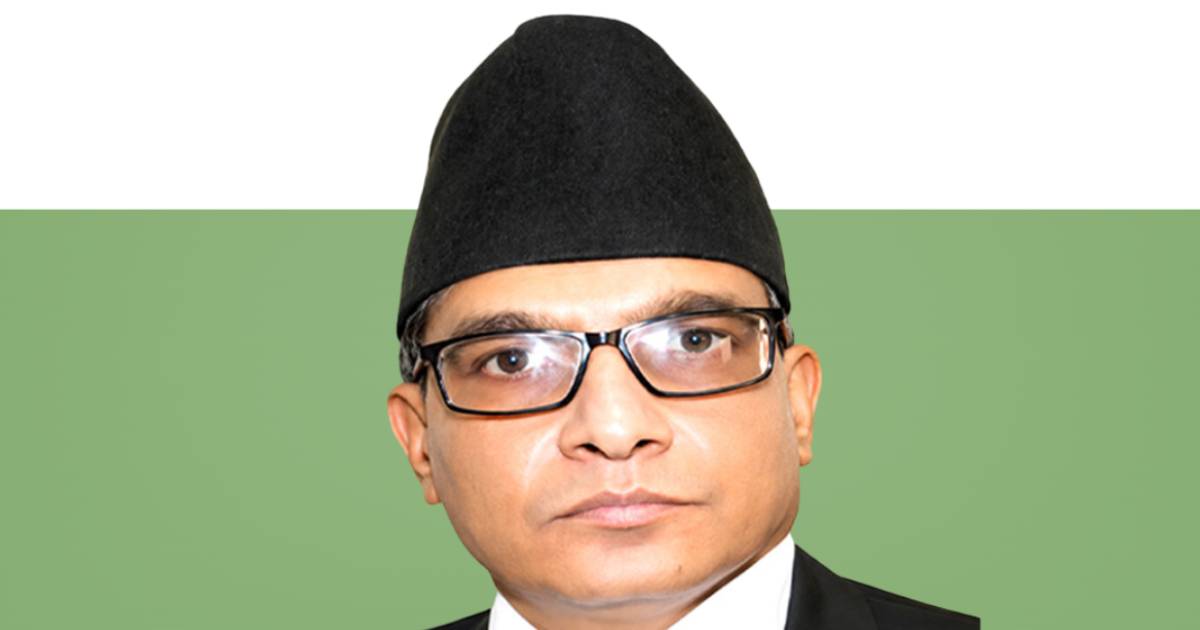
The Constitutional Council on Thursday recommended Supreme Court Justice Manoj Kumar Sharma for appointment as the next Chief Justice, ending weeks of speculation over the country’s top judicial position.
The decision was taken during a meeting held at the Office of the Prime Minister and Council of Ministers in Singha Durbar. National Assembly Chair Narayan Dahal said the recommendation was supported by all members of the council except himself and the leader of the main opposition parliamentary party, Bhishmaraj Angdembe.
The recommendation is considered significant as the council chose Sharma despite the presence of senior figures within the judiciary, including acting Chief Justice Sapana Pradhan Malla and senior justices Kumar Regmi and Hari Prasad Phuyal. Sharma, who was fourth in seniority, was ultimately selected for the role.
Constitutional Council Reaches Decision on Chief Justice Recommendation
The Constitutional Council meeting was held on Thursday afternoon in Kathmandu to discuss the appointment of the country’s next Chief Justice.
Following the meeting, National Assembly Chair Narayan Dahal confirmed that the council had agreed to recommend Manoj Kumar Sharma for the position. According to Dahal, only two members did not support Sharma’s nomination.
The Constitutional Council includes the prime minister, speaker of the House of Representatives, chair of the National Assembly, deputy speaker, leader of the opposition party, and the law minister.
The council’s recommendation now places Sharma at the center of Nepal’s judicial leadership at a time when the judiciary has been under close public and political attention.
Senior Judges Overlooked in Selection Process
The council’s decision drew attention because Sharma was not the most senior among the serving justices considered for the position.
The recommendation bypassed acting Chief Justice Sapana Pradhan Malla as well as Supreme Court justices Kumar Regmi and Hari Prasad Phuyal.
Instead, the council selected Sharma, who ranked fourth in seniority within the Supreme Court.
The move is expected to generate discussion within legal and political circles, particularly regarding the criteria used in selecting the next head of the judiciary.
Long Career in Law and Legal Practice
Sharma has spent decades in the legal profession and has worked across several areas of legal practice before reaching the Supreme Court.
Born in Birgunj in 1970, he studied law at Nepal Law Campus, where he completed his Bachelor of Law degree.
He later earned a Master of Laws degree from the University of Pune in India. He also completed a doctoral degree in labor law from Tribhuvan University.
His academic background and long involvement in legal work contributed to his rise through Nepal’s judicial system.
Professional Journey Before Joining the Judiciary
Sharma became an advocate in 1995 and spent more than a decade practicing law.
During that period, he was actively involved in legal consultation for private companies and institutions. His work included commercial and corporate legal practice, which helped establish his profile within Nepal’s legal community.
His transition into the judiciary began later through the appellate court system.
Sharma served as an additional judge in the appellate court from June 10, 2013, until December 12, 2015.
However, he was not confirmed as a permanent judge at that time after the Judicial Council declined to approve the appointment.
Appointment to the Supreme Court Faced Legal Challenge
Despite earlier setbacks, Sharma was later appointed as a justice of the Supreme Court on April 19, 2019.
His appointment immediately faced legal scrutiny.
Senior advocate Shambhu Thapa filed a petition challenging Sharma’s eligibility for the Supreme Court position. The petition argued that Sharma did not meet the constitutional requirements needed for appointment.
The challenge claimed he lacked both of the required qualifications:
- Fifteen years of continuous legal practice as an advocate
- Five years of service as an appellate court judge
The petition became one of the closely watched legal disputes related to judicial appointments at the time.
Supreme Court Later Cleared the Way
The legal challenge against Sharma’s appointment was later dismissed by the Supreme Court.
Following the court’s decision, Sharma continued serving as a Supreme Court justice without interruption.
Since then, he has remained active in judicial responsibilities and court proceedings at the country’s highest court.
His recommendation for the role of Chief Justice now marks the latest step in a career that has included legal practice, academic research, appellate court service, and years on the Supreme Court bench.
Judicial Appointment Gains National Attention
The recommendation of Manoj Kumar Sharma comes at an important moment for Nepal’s judiciary, where appointments to senior positions often attract close public and political interest.
As the Constitutional Council’s nominee for Chief Justice, Sharma is now expected to play a central role in leading the judiciary and overseeing major legal and constitutional matters.
The decision also reflects the council’s willingness to prioritize a candidate outside the top seniority order, making the recommendation one of the more closely discussed judicial appointments in recent years.
With decades of legal experience behind him, Sharma now stands on the verge of becoming the country’s next Chief Justice following the Constitutional Council’s recommendation.


Written by Roshani Shrestha Pathak
Roshani Shrestha Pathak is the English Bureau Chief at Khoj Samachar, overseeing English-language editorial operations and newsroom coordination.
Nepal to Fine Fuel Pumps Up to NPR 1 Million for Shutting Down
Why Susta Residents Have Come to Kathmandu?
Nepal Government to Print National ID Cards Itself
Everything You Need to Know About the 2026/27 National Budget
Deuba Couple Case: Supreme Court Cancels Arrest Warrant

UML Returns Rs 38.6 Million After VIP Treatment Controversy
Singha Durbar Toilets Remain in Poor Condition