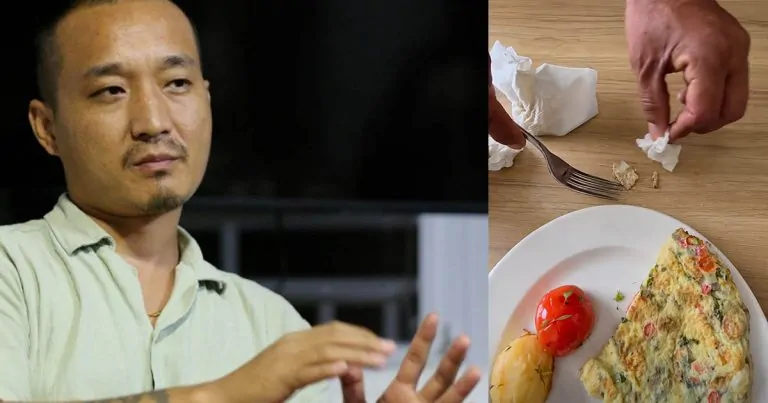
RSP MP Krishna Kumar Karki Faces Growing Controversy
Parliament members demand investigation after allegations involving Krishna Kumar Karki triggered political and public scrutiny.


Rastriya Swatantra Party lawmaker Krishna Kumar Karki, who was elected from Morang Constituency-2, has been dragged into a serious controversy.
Karki had entered the RSP during the peak of the Gen Z movement while publicly aligning himself with Kathmandu Metropolitan City Mayor Balen Shah. Riding the momentum of that movement, he secured a notable electoral victory by defeating influential candidates from both the Nepali Congress and CPN-UML.
But the same lawmaker has now come under intense scrutiny after repeatedly failing to appear in Parliament despite registering his name to speak. Speaker calls reportedly went unanswered three times during a parliamentary session, raising immediate questions inside and outside the House.
The controversy intensified after allegations surfaced linking Karki to a Nigerian woman named Rita Azuko, 26, who claims she became pregnant following a relationship with him and was later ignored and abandoned.
Screenshots of conversations, photographs, and videos allegedly involving Karki and the woman have spread widely across social media, making the issue a major public and political discussion.
So far, Karki has not issued any official public statement addressing the allegations. However, lawmakers have already raised concerns over the matter inside Parliament, arguing that elected representatives must uphold ethical standards and moral responsibility.
During Tuesday’s meeting of the House of Representatives, Nepali Congress MP Ninu Kumari Sharma, UML lawmaker Sajida Khatun Siddiqui, and Nepal Communist Party MP Parbati BK drew the Speaker’s attention to the issue and demanded that the facts be investigated and presented before Parliament.
The controversy has also prompted reactions from within the RSP itself. Party lawmaker Ashika Tamang publicly stated through social media on Wednesday morning that allegations involving mistreatment of women must be investigated regardless of who is involved.
RSP launches internal investigation
Facing growing criticism and public pressure, the Rastriya Swatantra Party has begun an internal probe into the controversy.
According to General Secretary Kabindra Burlakoti, the party’s disciplinary commission has already initiated an investigation into the matter. He said the party would proceed based on the recommendations made by the commission after completing its findings.
Past allegations resurface
This is not the first time Karki has found himself surrounded by controversy.
He has previously faced allegations of having links with the notorious “Chari” group during the period when organized criminal networks held strong influence in parts of the country. Claims have long circulated that Karki later moved to Japan after gangster Chari was killed in a police encounter.
More recently, allegations also resurfaced regarding Karki’s alleged involvement during the Gen Z movement protests held on Bhadra 23–24, 2082 BS, where he was accused of being among those who advanced toward Singha Durbar during the unrest and fire incidents.
Several media outlets had published stories before the election connecting Karki to those events. Despite that, he later received an election ticket from the RSP after joining the party from Balen Shah’s political camp.
At the same time, a viral image showing a masked man with tattoos across his body holding a firearm in front of a burning Singha Durbar has also been linked to Karki by various media platforms. Karki, however, has denied that the person in the image is him and has claimed that he does not have any tattoos on his body.
Questions growing around accountability
The controversy surrounding Karki has now evolved beyond personal allegations and entered the broader debate surrounding accountability, political ethics, and the expectations attached to leaders who emerged from the Gen Z-backed wave of political change.
As pressure continues to build, demands for a transparent and immediate investigation are growing stronger. Many argue that a party which rose to power through promises of reform and public frustration against traditional politics cannot afford to ignore serious allegations involving one of its own lawmakers.
What the investigation ultimately establishes, however, still remains to be seen.

Written by Roshan Shrestha
Roshan Shrestha is a Nepali investigative journalist and founder of Khoj Samachar, covering corruption, transparency, and public-interest issues.
Prime Minister’s Office Like Hitler’s Gas Chamber: Lawmaker
Speaker Aryal: Learn Parliament, Not Your Phone
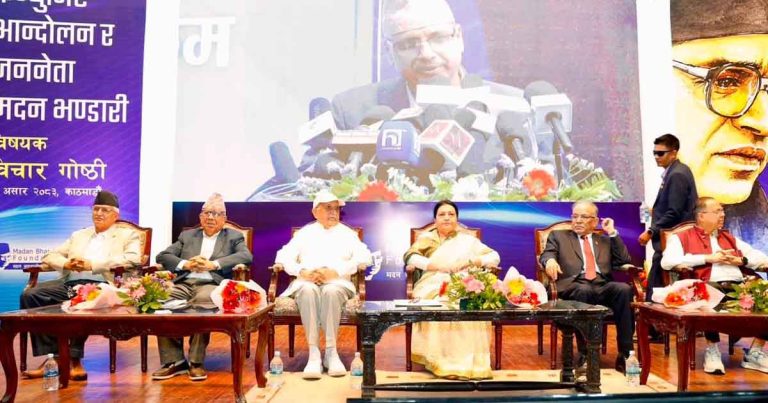
Four Former PMs Share Stage at Madan Bhandari Event
Prachanda Urges Left Unity at Bhandari Anniversary
Ramji Yadav Faces Scrutiny After Party Election Loss
RSP Elects Rabi, Swarnim, Sobita and Bipin to Top Posts
RSP Central Committee Elected Members List 2026