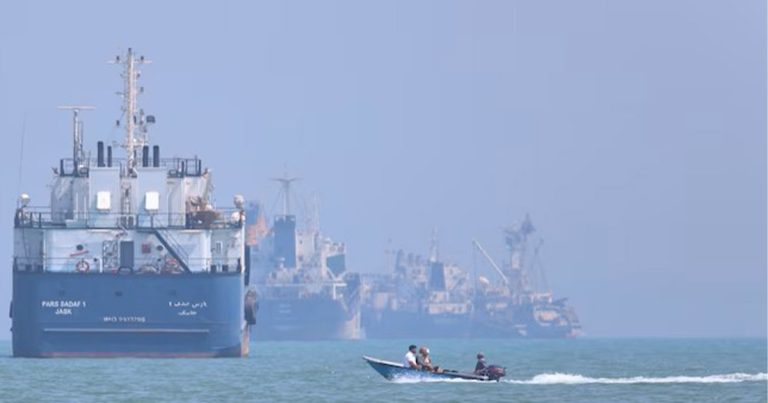
Iran Plans New Strait of Hormuz Shipping Rules
Iran is preparing a new vessel reporting system for ships using the Strait of Hormuz as tensions and negotiations continue


Iran is preparing to introduce a new regulatory system for vessels traveling through the Strait of Hormuz, a move that could significantly expand Tehran’s institutional control over one of the world’s most strategically important waterways.
The new mechanism comes at a time when movement through the Strait remains heavily restricted amid ongoing tensions involving Iran, the United States, and Israel. Iranian authorities are reportedly planning to enforce mandatory reporting requirements for ships entering the route once maritime operations fully resume.
The development has added another layer of uncertainty to the already tense situation in the Persian Gulf, where discussions over reopening the Strait and ending the conflict remain unresolved.
Iran has also linked the future operation of the waterway to broader negotiations over sanctions, security arrangements, and post-war reconstruction.
Iran Creates New Maritime Regulatory Body
Iran has established a separate authority to oversee activities in the Strait of Hormuz as part of its effort to formalize control over the route.
Under the new arrangement, ships traveling through the Strait would be required to complete a Vessel Information Declaration form before passage. The proposed rules would apply to vessels using the waterway once navigation resumes normally.
The newly formed body, called the Persian Gulf Strait Authority, is expected to manage the reporting and monitoring process connected to maritime traffic through the region.
According to the proposed system, vessel operators would need to submit detailed information electronically before crossing the Strait.
Ships Required to Submit Detailed Information
The new reporting framework would require extensive disclosures from vessels planning to pass through the Strait of Hormuz.
The information requested includes:
- Name of the vessel
- Identification number
- Any previous vessel name
- Country under whose flag the ship operates
- Destination details
- Cargo information
- Ownership details
- Nationality of crew members
Iranian authorities have stated that all required information must be sent by email before transit approval is granted.
Officials also warned that vessel operators would be held responsible for incomplete or inaccurate declarations submitted to the authority.
The proposal reflects Iran’s broader attempt to establish a structured administrative role over shipping activity in the Strait after the current conflict ends.
Strait of Hormuz Remains Largely Closed
Although Iran has announced the new framework, the system is not expected to take effect immediately because movement through the Strait remains severely limited.
The situation escalated after Iran blocked American, Israeli, and allied vessels from using the route while allowing only Iranian ships to operate in the area. In response, the United States imposed restrictions around the Strait, effectively creating a blockade situation.
As a result, even Iranian vessels are currently not operating normally through the waterway.
The United States has also reportedly seized two Iranian ships during the ongoing standoff.
The disruption has intensified concerns over regional shipping and maritime security, as the Strait of Hormuz remains one of the world’s most critical energy transport routes.
Iran Proposes Reopening the Waterway
Iran has proposed reopening the Strait of Hormuz as part of efforts to end the conflict and reduce tensions in the region.
Tehran has reportedly suggested that broader disputes could be addressed later through negotiations, while immediate attention should focus on restoring maritime operations and ending hostilities.
However, the United States has not accepted the proposal under the current conditions.
Washington has instead presented a separate 14-point proposal seeking broader commitments from Iran before moving toward a final agreement.
The proposal reportedly includes a declaration to end the conflict followed by a 30-day period of detailed negotiations.
During that period, both sides would discuss:
- Reopening the Strait of Hormuz
- Limiting Iran’s nuclear activities
- Removing American sanctions
- Establishing a broader long-term agreement
Despite continued diplomatic discussions, major disagreements remain unresolved.
China Pushes for a Negotiated Settlement
China has also increased pressure for a negotiated end to the conflict and is reportedly encouraging Iran to reach an agreement with the United States.
The push for diplomacy comes as international concern grows over the prolonged disruption in the Persian Gulf and the wider impact on regional stability.
At the same time, the United States is said to be seeking a long-term peace arrangement with Iran before President Donald Trump’s planned visit to China.
The proposed reopening of the Strait and the new Iranian regulatory system appear closely linked to those broader negotiations over security and regional influence.
Iran’s latest move suggests it intends to maintain a formal administrative presence in the Strait even after the conflict eventually ends.
Dispute Over Future Toll Collection
Iran has also argued that it should be allowed to collect tolls in the Strait of Hormuz to support reconstruction efforts following damage caused during the conflict.
Iranian officials have said such revenue could help rebuild parts of the country affected after attacks involving both Iran and the United States since February 28.
However, the proposal has faced resistance from the United States and other countries, which argue that the Strait of Hormuz is an international waterway where no single nation can impose transit fees independently.
That disagreement could become a major obstacle if Iran moves ahead with its new regulatory system after maritime traffic resumes.
The issue has further complicated negotiations surrounding the future operation of the Strait.
Implementation May Face International Challenges
Despite Iran’s plans to introduce new shipping regulations, enforcing the system may prove difficult because of international opposition and the legal status of the Strait of Hormuz.
Several countries continue to view the route as a globally shared maritime corridor rather than an area under exclusive national control.
The success of Iran’s proposed authority will likely depend on the outcome of future negotiations involving regional security, sanctions, shipping access, and the broader political settlement tied to the conflict.
For now, the Strait remains at the center of rising geopolitical tension, with uncertainty continuing over when normal maritime operations will fully return.


Written by Roshani Shrestha Pathak
Roshani Shrestha Pathak is the English Bureau Chief at Khoj Samachar, overseeing English-language editorial operations and newsroom coordination.

Heavy Rain Expected in Himachal Pradesh

Sonam Wangchuk Update: Forced to Hospital, Says Abhijeet Dipke

Attack Was Attempted on Sonam Wangchuk, Says Abhijeet Dipke

Sonam Wangchuk Vows to Survive Hunger Strike Until July 20
US Attacks Iran Again as Fighting Enters Sixth Night

Jordan Shoots Down Eight Iranian Missiles
US House Passes Permanent Daylight Saving Time Bill