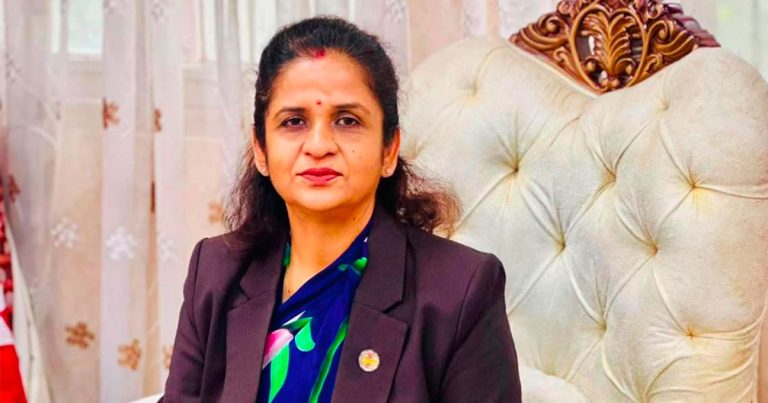
Home Minister Sudan Gurung Orders End to VIP Traffic Disruptions, Pushes One-Door Service Reform in Nepal
Nepal’s Home Minister Sudan Gurung directs officials to end VIP-related traffic disruptions and implement a one-door service system to improve governance, reduce corruption and ensure efficient public service delivery.


Kathmandu — Home Minister Sudan Gurung has ordered an immediate end to public inconvenience caused by VIP movements, stating that traffic disruptions affecting ordinary citizens are no longer acceptable.
End to VIP Traffic Disruptions
Speaking at a program at the Home Ministry, Gurung said halting roads for extended periods to facilitate the movement of ministers and high-ranking officials must stop. He directed the Home Secretary to review existing procedures and issue revised guidelines to ensure smoother traffic management.
He emphasized that emergency services, including ambulances, must not be obstructed under any circumstances. Gurung noted that delays caused by VIP convoys have led to serious hardship for citizens, including patients and pregnant women, calling such situations a contradiction of democratic values.
Push for One-Door Service and Governance Reform
The home minister also identified inefficient public service delivery as a key driver of corruption. He said citizens are often forced to move between multiple offices for a single service, increasing the likelihood of irregularities.
To address this, Gurung stressed the need to implement a “one-door service system” that allows citizens to access services from a single point. He instructed officials to develop technology-driven systems to reduce direct contact between service seekers and government staff.
According to Gurung, effective governance will only be realized when citizens receive timely and efficient services without unnecessary procedural barriers. He added that families of martyrs and injured individuals must receive state services without delay, highlighting the government’s responsibility toward them.
Gurung also proposed establishing a coordination mechanism involving representatives from the education, health and finance ministries to improve service delivery and inter-ministerial coordination. He urged media organizations to act responsibly and contribute to national development by maintaining accuracy and vigilance in news reporting.


Written by Roshani Shrestha Pathak
Roshani Shrestha Pathak is the English Bureau Chief at Khoj Samachar, overseeing English-language editorial operations and newsroom coordination.
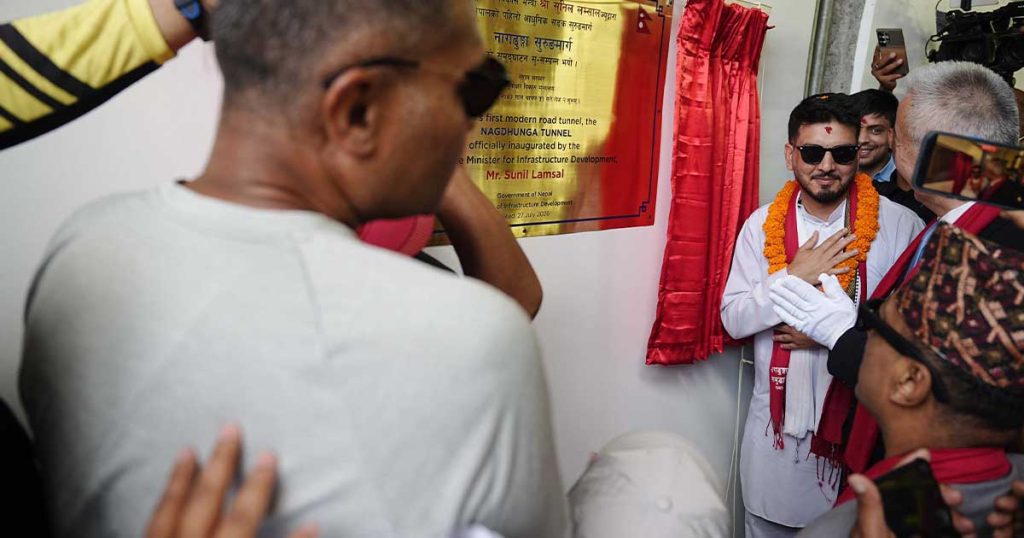
Sunil Lamsal Opens Nagdhunga Tunnel, Operations Begin Today
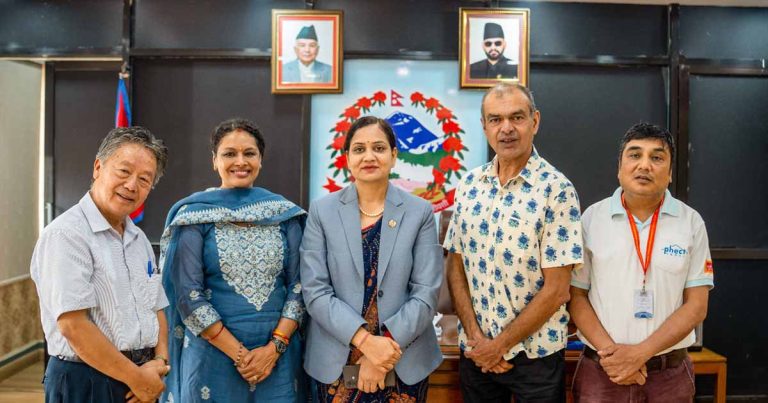
Nepal Moves to Standardise Burn Treatment Nationwide
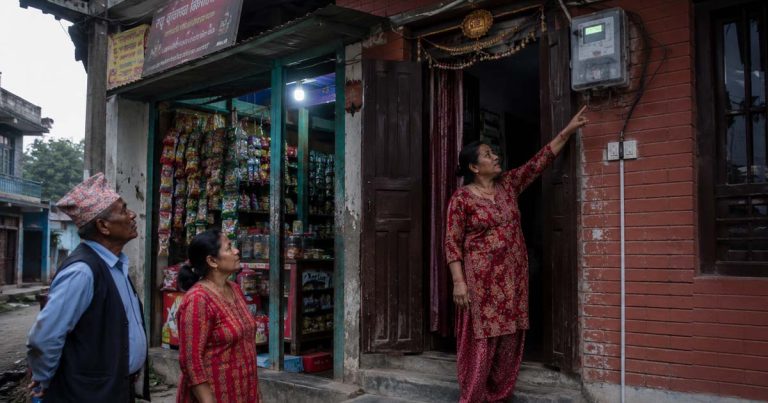
Nepal to Impose VAT on Electricity Bills from Tomorrow
Why the Supreme Court Halted Nepal’s New Property Probe Commission
Nepal’s Free Treatment Portal Serves Over 2,200 in 90 Days
Minister Nisha Mehta Pushes Burn Care Across Seven Provinces
Nepal Supreme Court Opens Government Ads to Private Media