Harka Sampang Reveals Modest Assets Amid Transparency Row, Says Almost Nothing in My Name
Shram Sanskriti Party chief reveals limited assets, fueling transparency debate and raising pressure on Nepal’s political leaders


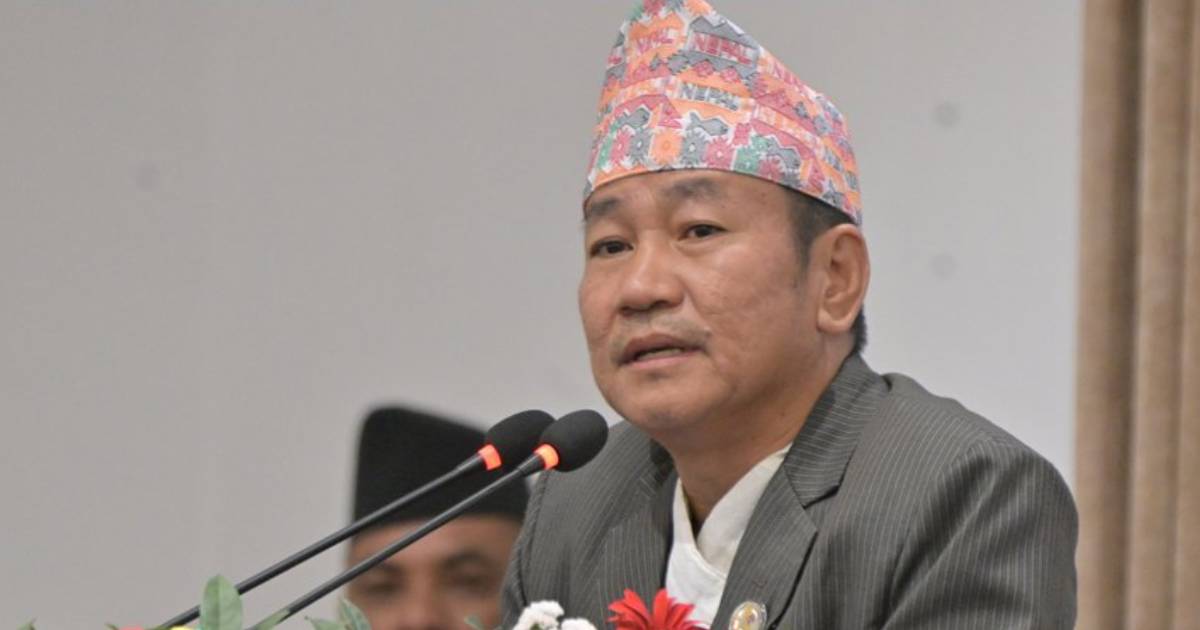
Harka Sampang has disclosed his personal assets following rising demands for transparency, stating he owns only a small amount of gold and limited bank savings. The revelation has fueled debate over wealth disclosure among Nepal’s political leaders and public accountability.
In a Facebook post, Sampang said he holds around four to five tola of gold and an estimated bank balance of two to four lakh rupees. Sampang said he holds around four to five tola of gold and an estimated bank balance of two to four lakh rupees, stressing that he has no property registered under his own name.
Disclosure Comes Amid Growing Transparency Pressure
The Shram Sanskriti Party chairman said he would formally submit his asset details in the coming days, responding to public calls for greater openness. His statement appears to address increasing scrutiny of politicians’ financial backgrounds in Nepal.
Sampang added that ancestral property remains in his mother’s name in Khotang’s Kepilasgadhi-2, Chokhane village, including sloped land, shrub areas, bamboo groves, and some farmland.
Claims No Personal Ownership of Land
He emphasized that the property has not been divided among siblings and that he personally owns none of it. “There is nothing in my name,” he wrote, portraying his financial status as modest.
The gold, he noted, was likely accumulated during his time in foreign employment, a common path for many Nepalis seeking income abroad.
Political Reactions Likely to Intensify
While Sampang’s disclosure may strengthen his image as a grassroots leader, it also raises broader questions about whether other politicians will follow suit. Asset transparency has long been a sensitive issue in Nepal, often linked to corruption concerns and governance reforms.
Analysts say such public declarations, especially on social media, can increase pressure on officials to maintain accountability and build public trust.
Transparency Debate Gains Momentum
Sampang’s statement is likely to resonate with citizens demanding cleaner politics and financial honesty from elected representatives. However, it may also trigger comparisons with other leaders whose asset disclosures have faced criticism or skepticism.
As calls for transparency grow louder, Sampang’s move could mark a renewed push toward greater financial openness in Nepal’s political landscape.


Written by Roshani Shrestha Pathak
Roshani Shrestha Pathak is the English Bureau Chief at Khoj Samachar, overseeing English-language editorial operations and newsroom coordination.

Kirtipur Holding Centre Resident Arrested After Video Post

Nepal Celebrates Asar 15 with Dahi Chiura and Paddy Day
Nepal New Traffic Bill Proposes Fines of Rs 500 to Rs 1 Lakh
Why Is Nepal Emptying Holding Centres in Five Days?
Kathmandu Traffic Fines Top Rs 2.3 Million in a Day
Mahesh Basnet Defends Bishnu Paudel After Arrest
Mukul Dhakal: Not Even Invited to RSP Convention