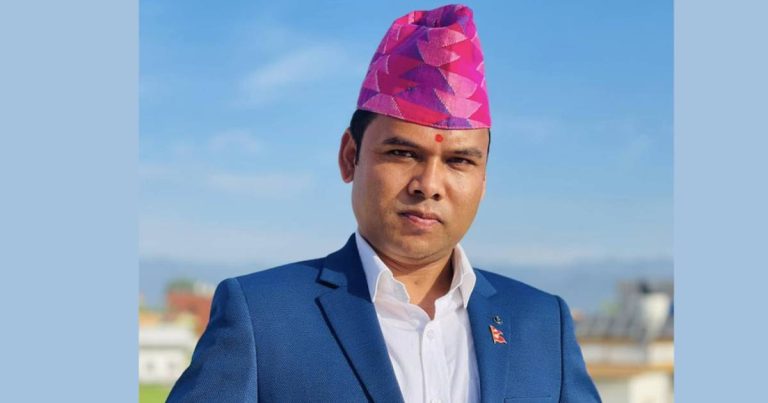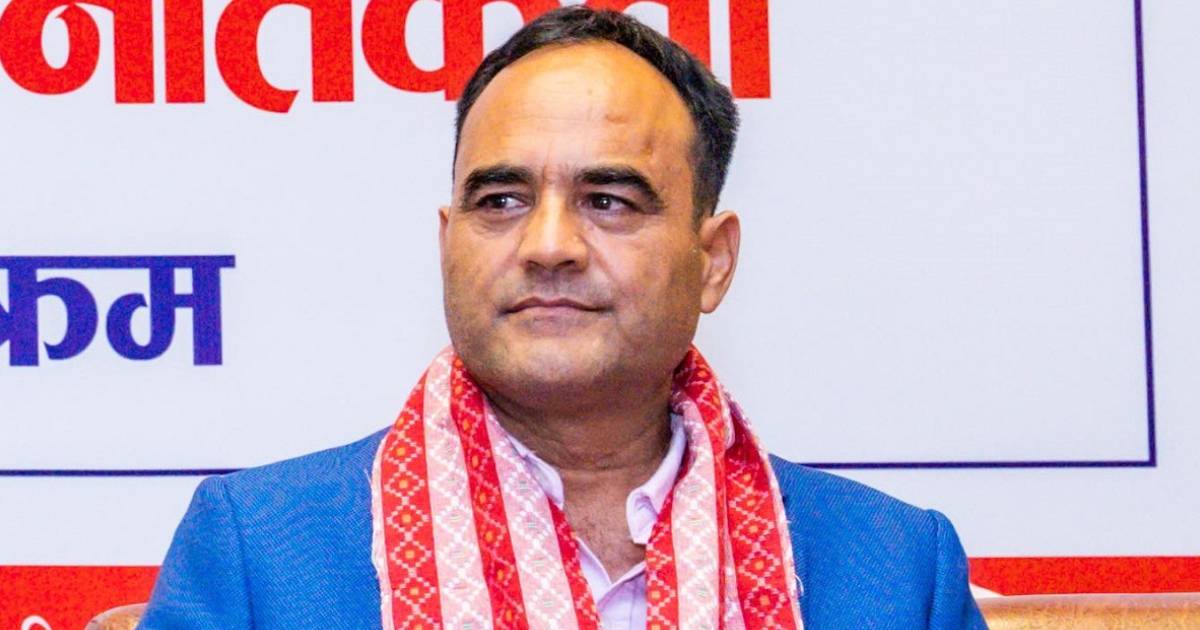
Nepali Congress leader Nain singh Mahar has sharply criticized delays at the Supreme Court of Nepal in resolving the party’s legitimacy dispute, warning that justice delayed could undermine democratic stability. The case, currently under judicial consideration, carries wider implications for Nepal’s political balance.
Mahar said timely justice is a fundamental pillar of democratic governance, stressing that prolonged delays effectively amount to a denial of justice.
Concerns Over Delayed Judicial Process
In a statement In a Facebook post, Nain singh Mahar criticized the Supreme Court delay., Mahar highlighted growing concern over the court’s delay in addressing the Nepali Congress’s internal legitimacy issue. He argued that such delays naturally raise serious questions about judicial efficiency and accountability.
“Timely justice is the foundation of democratic governance,” Mahar wrote, adding that delayed rulings risk eroding public trust in institutions.
Impact on Opposition and Democratic Balance
Mahar warned that the case extends beyond party politics and directly affects Nepal’s democratic framework. He emphasized that a strong and unified opposition is essential to maintain checks and balances against a powerful government.
“A robust opposition is indispensable to balance and monitor a strong government,” he said, noting that the ongoing legal uncertainty weakens that role.
Call for Swift and Impartial Verdict
The Congress leader urged the Supreme Court to deliver a clear and impartial decision without further delay. He described the issue as a matter of national democratic importance rather than a purely internal party dispute.
According to Mahar, the court’s verdict will play a crucial role in restoring political clarity and institutional confidence.
Background of the Dispute
The case relates to a special general convention dispute within the Nepali Congress, which is currently under consideration by the Supreme Court. The outcome is expected to determine the party’s official legitimacy and leadership direction.
With the case still pending, political observers say the delay continues to fuel uncertainty within Nepal’s largest democratic party and the broader political landscape.