Harka Sampang Turns Emotional After Darchula Visit, Urges Government to Take Immediate Action
Lawmaker highlights deadly infrastructure gaps in Darchula, urging ministers to witness crisis and act immediately


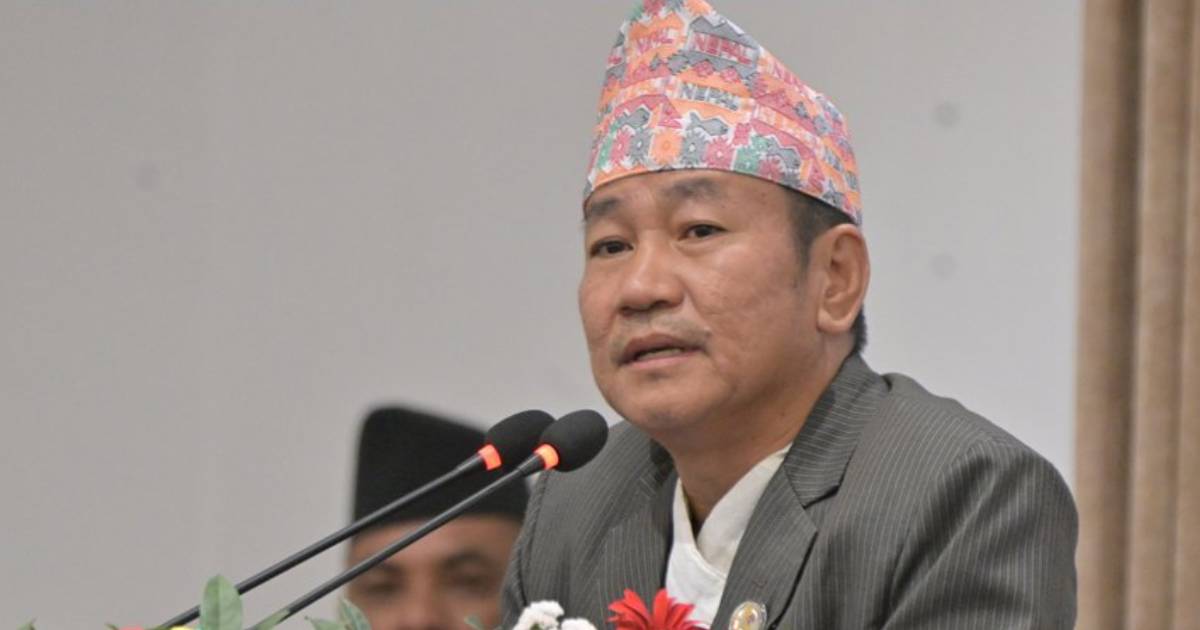
Nepal lawmaker Harka Sampang has exposed a deepening Darchula crisis, saying he returned “in tears” after witnessing severe infrastructure failures that continue to endanger lives. His emotional appeal in parliament has intensified pressure on the government to act on long-ignored rural hardships.
Speaking during Friday’s House of Representatives meeting, Sampang described alarming conditions in remote parts of Darchula, particularly in Byas Rural Municipality–2, Dumling, urging key ministers to visit the area themselves.
Remote Darchula Struggles Exposed
Sampang said the lack of basic road access has forced locals to risk their lives daily, crossing the Mahakali River using makeshift ropeways known as tuin.
“There is no household untouched by tragedy,” he said, claiming that deaths linked to unsafe crossings have become a grim reality in the region. The absence of roads and reliable transport infrastructure, he added, has left communities isolated and vulnerable.
His remarks highlight a broader issue of uneven development, where remote districts continue to lag far behind urban centers despite repeated political commitments.
Emotional Appeal Pressures Government
The lawmaker directly called on the Home Minister and the Minister for Physical Infrastructure and Urban Development to visit Darchula and assess the situation firsthand.
He stressed that witnessing the conditions on the ground would make it impossible for policymakers to ignore the urgency of intervention. His statement has added to growing calls for accountability over delayed infrastructure projects.
Safety Risks Raise Urgent Concerns
Sampang’s account underscores the life-threatening risks faced by residents, particularly those forced to cross the Mahakali River without safe bridges. The continued reliance on tuin systems has long been criticized, but progress on permanent solutions has remained slow. His speech brings renewed focus on the human cost of these delays.
Aviation Delays Add to Frustration
Beyond road access, Sampang also flagged persistent flight delays affecting remote regions, drawing attention to inefficiencies in Nepal’s aviation sector. He urged the Ministry of Culture, Tourism and Civil Aviation to address the issue, noting that unreliable air connectivity further deepens isolation in already underserved areas.
Call for Change Inside Parliament
In a lighter but symbolic note, Sampang also proposed a shift in parliamentary conduct, urging lawmakers to clap instead of banging desks during sessions. He argued that such gestures would reflect a more respectful and modern parliamentary culture, even as the chamber debates serious national issues.


Written by Roshani Shrestha Pathak
Roshani Shrestha Pathak is the English Bureau Chief at Khoj Samachar, overseeing English-language editorial operations and newsroom coordination.
Nepal Plans IVF Rules to Strengthen Patient Safety
Heavy Monsoon Rain Raises Flood Risk Across Nepal
Young Doctors Demand Legal Limits on Hospital Duty Hours
Heavy Monsoon Rain Puts Nepal on Alert
Health Minister Mehta Promises Better Healthcare for Minorities
National ID Now Required for Old Bank Accounts in Nepal
Saptakoshi Flood Rises, 21 Koshi Barrage Gates Opened