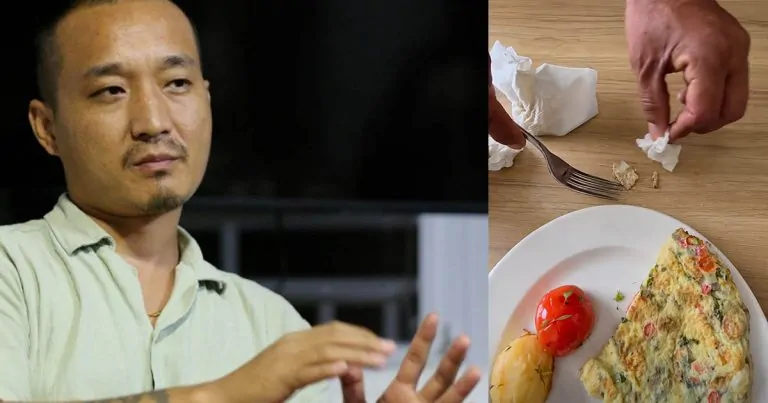
Harka Sampang Sparks Row Over Mahendra Highway Name
Dharan mayor’s remark revives debate over identity, history, and politics behind Nepal’s key east-west highway naming


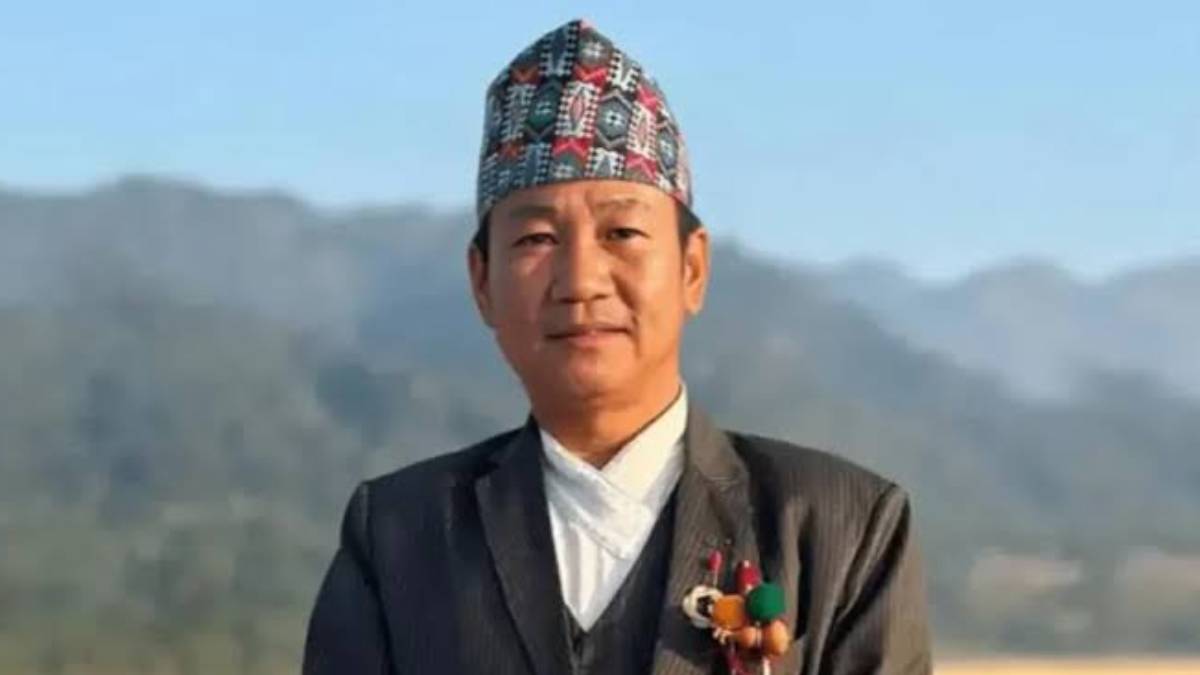
Harka Sampang has sparked a fresh political and cultural debate after opposing the revival of the Mahendra Highway name, suggesting it be renamed as Yalambar Highway instead. The controversy matters as it touches on Nepal’s historical identity and ongoing tensions over symbols linked to monarchy.
The East-West Highway — Nepal’s longest and most vital roadway — has once again become the center of a naming dispute following recent government commitments to upgrade it to international standards.
Debate Rekindled Over Highway Identity
Sampang, who leads the Shram Sanskriti Party, publicly criticized discussions suggesting the highway could revert to its former name, Mahendra Highway. In a social media post, he argued that naming it after Yalambar, a historical Kirat king, would be more appropriate.
His comment came shortly after the government unveiled its national commitment document, which includes a plan to upgrade the highway within three years. The proposal triggered speculation that the Mahendra name could be reinstated.
Political and Historical Sensitivities Emerge
The highway was originally named after King Mahendra, who initiated its construction in 1962. However, following Nepal’s transition to a federal democratic republic, references to monarchy-linked names have been gradually removed or reconsidered.
Sampang’s intervention highlights deeper political sensitivities, especially among groups advocating for stronger recognition of indigenous history and identity. Yalambar, often associated with the Kirat civilization, represents an alternative historical narrative.
Government Plan Fuels Speculation
The government’s roadmap to modernize the highway — bringing it up to international highway standards — has intensified public attention. While officials have not formally announced any renaming decision, online discussions have quickly escalated.
Observers say such debates often reflect broader ideological divides, particularly between monarchist nostalgia and republican or indigenous identity movements.
Reactions Likely to Intensify
The remarks by Sampang are expected to trigger wider political reactions in the coming days, especially as infrastructure development intersects with symbolic national issues. As Nepal pushes forward with major infrastructure upgrades, the naming of its most important highway may once again become a focal point of political and cultural contestation.


Written by Pushpa Tamang
Pushpa Tamang is Managing Editor at Khoj Samachar, leading English and Nepali bureaus, newsroom operations, and editorial standards.
Prime Minister’s Office Like Hitler’s Gas Chamber: Lawmaker
Speaker Aryal: Learn Parliament, Not Your Phone
Four Former PMs Share Stage at Madan Bhandari Event
Prachanda Urges Left Unity at Bhandari Anniversary
Ramji Yadav Faces Scrutiny After Party Election Loss
RSP Elects Rabi, Swarnim, Sobita and Bipin to Top Posts
RSP Central Committee Elected Members List 2026