Harka Sampang Slams MPs Aide Plan Over Rs 5B Cost Nepal
Dharan mayor warns MPs’ personal aide plan could cost billions, raising concerns over public spending priorities in Nepal


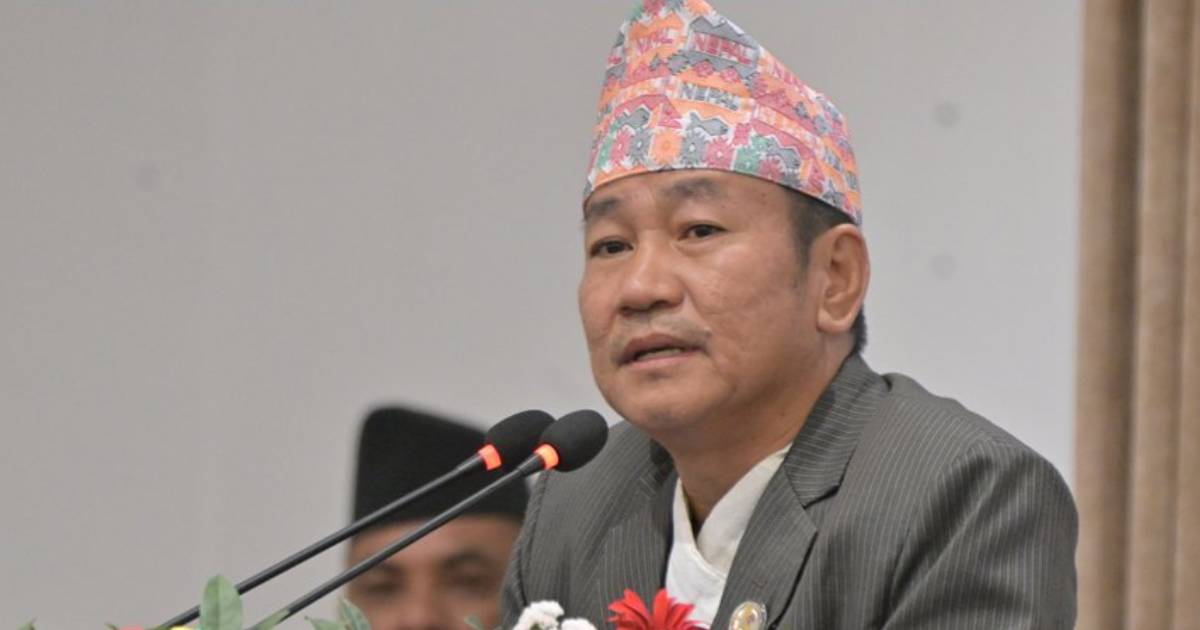
Harka Sampang has publicly opposed a proposal allowing lawmakers to appoint personal secretaries, warning it could impose a massive financial burden on the state. The criticism highlights growing concerns over public spending priorities in Nepal’s political system.
In a Facebook post, Harka Sampang opposed the proposal, warning it could impose a massive financial burden on the state., Sampang argued that even a modest monthly salary of Rs 30,000 per aide would result in significant cumulative costs. He calculated that the policy could cost around Rs 8.25 million per month, nearly Rs 99 million annually, and approximately Rs 4.95 billion over five years.
Cost Concerns Trigger Public Debate
Sampang’s remarks quickly drew attention on social media, where users echoed concerns about government expenditure amid broader economic challenges. Critics argue that such spending may be difficult to justify at a time when many citizens face rising living costs and limited public services.
The proposal to allow each Member of Parliament to appoint a personal secretary is seen by supporters as a way to improve administrative efficiency. However, opponents question whether the benefits outweigh the financial implications.
Questions Over Spending Priorities Rise
Sampang framed his opposition around fiscal responsibility, suggesting that the funds could be better allocated to essential sectors such as health, education, or infrastructure. His comments reflect a broader sentiment among sections of the public that political privileges should be carefully scrutinized, especially in a developing economy like Nepal’s.
Political Reactions Yet to Fully Emerge
While Sampang’s statement has gained traction online, there has been no immediate comprehensive response from major political parties or parliamentary leaders. Analysts note that debates over lawmakers’ benefits and perks are not new in Nepal, but the scale of projected costs in this case could intensify scrutiny.
Background on Parliamentary Privileges Debate
Nepal’s Parliament has periodically faced criticism over allowances, facilities, and benefits provided to elected representatives. The latest proposal adds to ongoing discussions about transparency and accountability in public spending.


Written by Roshani Shrestha Pathak
Roshani Shrestha Pathak is the English Bureau Chief at Khoj Samachar, overseeing English-language editorial operations and newsroom coordination.
Prime Minister’s Office Like Hitler’s Gas Chamber: Lawmaker
Speaker Aryal: Learn Parliament, Not Your Phone
Four Former PMs Share Stage at Madan Bhandari Event
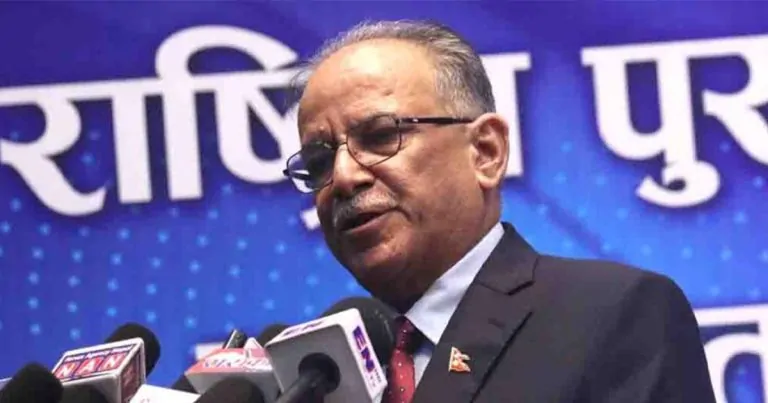
Prachanda Urges Left Unity at Bhandari Anniversary
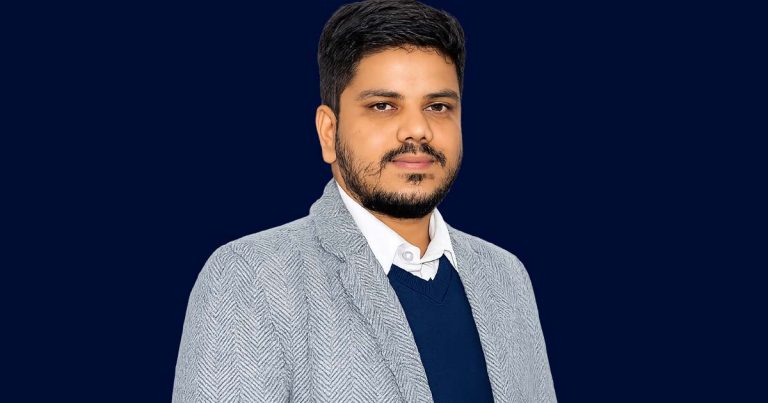
Ramji Yadav Faces Scrutiny After Party Election Loss
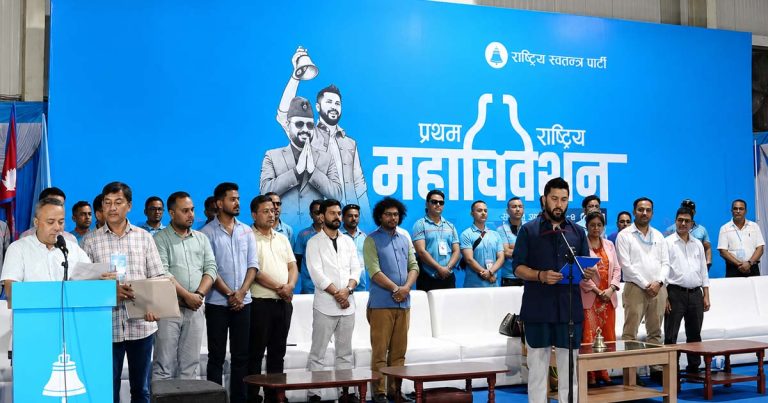
RSP Elects Rabi, Swarnim, Sobita and Bipin to Top Posts
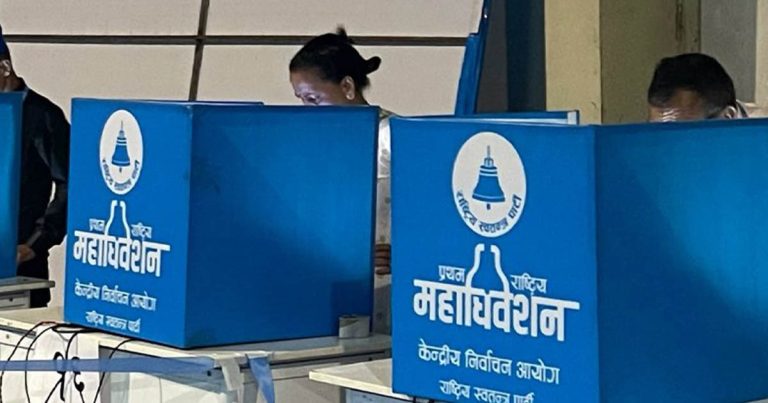
RSP Central Committee Elected Members List 2026