
India’s ‘Cockroach’ Movement Heads to Delhi
A social media campaign led by Abhijeet Dipke is set to test its offline strength in Delhi as young Indians rally around concerns over NEET, NTA and institutional accountability.


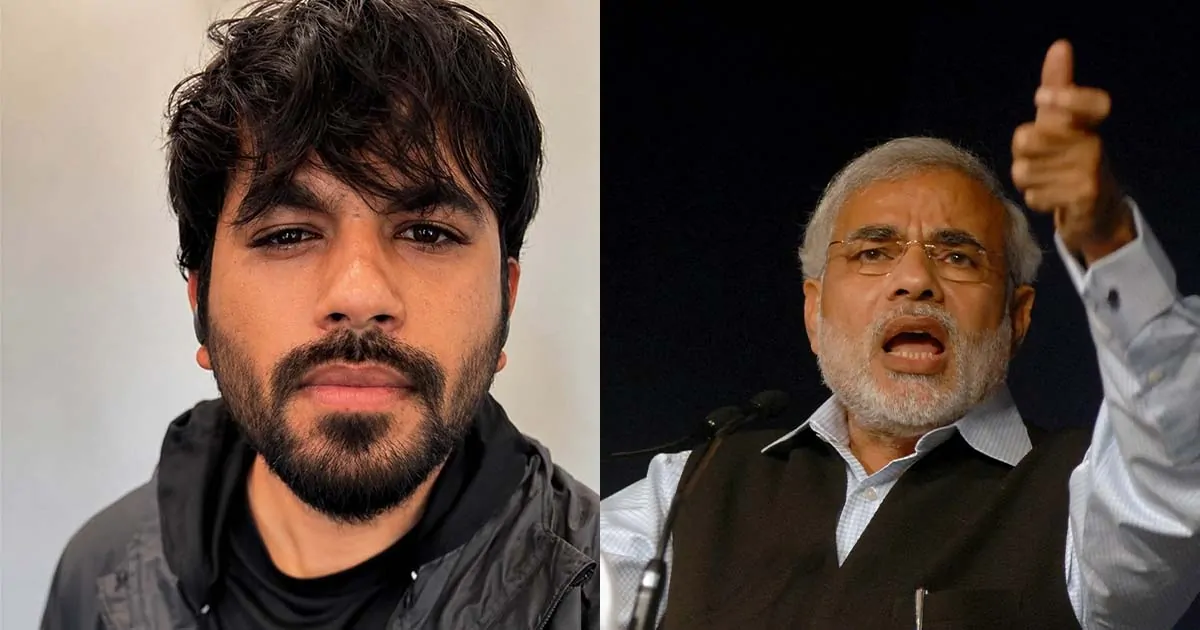
For more than two decades, Narendra Modi has remained the dominant force in Indian politics, first as Chief Minister and then as Prime Minister. Now, a social media movement that began as a joke is attempting to test whether online anger among young Indians can be turned into a visible street campaign.
The Cockroach Janta Party (CJP), a digital movement that emerged after remarks attributed to Chief Justice Surya Kant during a court hearing, has announced a protest in Delhi beginning Saturday. Although CJP is not registered as a political party and exists primarily through social media platforms, it has rapidly grown into one of the most talked-about youth-driven campaigns in India.
Supporters claim the movement has attracted more than 22.1 million followers on Instagram within about 20 days of its creation, giving it a larger Instagram presence than the ruling Bharatiya Janata Party. The campaign’s backers also allege that its official Twitter account was blocked in India and that founder **Abhijeet Dipke** received death threats as the movement gained momentum.
What makes the development politically significant is not simply the size of its online following. The campaign has become a rallying point for a generation of students and young job seekers who feel ignored by institutions they believe have repeatedly failed them.
Founder Heading to Delhi Despite Uncertainty
**Abhijeet Dipke** has already departed from the United States and is expected to arrive in Delhi around 8 a.m. on Saturday. Organisers say he plans to travel directly from the airport to Jantar Mantar, one of India’s most prominent protest sites.
The location sits close to key centres of political power. The new Parliament building is roughly 1.6 kilometres away, while the Prime Minister’s Office is about 2.3 kilometres from the protest venue.
A major question remains unresolved.
Public demonstrations at such locations generally require prior approval, often sought at least a week in advance. Organisers acknowledge that no formal permission has yet been secured. They intend to seek immediate approval through the Parliament Street police station after Dipke arrives in Delhi.
Dipke has publicly said he could be detained at the airport before reaching the protest site.
CJP representatives have urged participants to remain peaceful and avoid any confrontational activity. Authorities, on the other hand, have been warning young people against joining the gathering.
India’s recent history includes clashes during protests against the CAA-NRC measures and the Agnipath recruitment scheme. Security agencies are therefore expected to closely monitor any large mobilisation in central Delhi.
From a Courtroom Remark to a National Online Movement
The roots of the campaign trace back to May 15, when Chief Justice Surya Kant was accused of comparing unemployed young people expressing anger on social media to “cockroaches” during courtroom proceedings.
The remark triggered resentment among sections of the youth population.
A day later, on May 16, **Abhijeet Dipke**, an Indian student based in the United States, launched the Cockroach Janta Party as a satirical online campaign. Thousands of users soon began embracing the label, posting messages declaring, “I am also a cockroach.”
What started as internet humour quickly evolved into a broader expression of frustration with institutions, examinations and governance.
Why the Movement Found an Audience
Analysts tracking the campaign point to a deeper issue beneath the memes and slogans.
Over recent years, allegations of question paper leaks, examination irregularities and administrative failures have repeatedly surfaced around major examinations including NEET, CBSE and JEE. Those controversies affected millions of students and contributed to growing distrust among young people.
The “cockroach” label became a symbol around which those grievances could gather.
Supporters claim the campaign has also drawn backing from several public figures. Environmental activist Sonam Wangchuk from Ladakh has described himself as an “honorary cockroach” in solidarity with the movement. Anna Hazare, West Bengal Chief Minister Mamata Banerjee, filmmaker Anurag Kashyap, actor Dia Mirza and YouTuber Dhruv Rathee have also been cited by supporters as having expressed support in different forms.
Some CJP supporters believe Wangchuk could join the Delhi protest as well.
NEET at the Centre of the Protest
The movement’s immediate demands focus on education policy.
CJP is calling for the resignation of Union Education Minister Dharmendra Pradhan and a high-level judicial investigation into the National Testing Agency (NTA), along with institutional reforms or possible dismantling of the agency.
At the centre of those demands is the NEET examination, India’s national entrance test for medical education.
Every year, roughly 22 to 25 million students compete through the examination system. Allegations surrounding question paper leaks and organised cheating networks have fuelled anger among students who argue that years of preparation can be undermined by corruption and administrative failure.
For many supporters, the issue extends beyond a single examination. They see it as a question of fairness, opportunity and trust in public institutions.
Whether the movement can transform online popularity into a sustained public mobilisation remains unclear. Whether authorities grant permission, whether Dipke reaches Jantar Mantar, and whether large numbers of young people actually gather in Delhi are questions that will begin to be answered after Saturday morning.

Written by Roshan Shrestha
Roshan Shrestha is a Nepali investigative journalist and founder of Khoj Samachar, covering corruption, transparency, and public-interest issues.
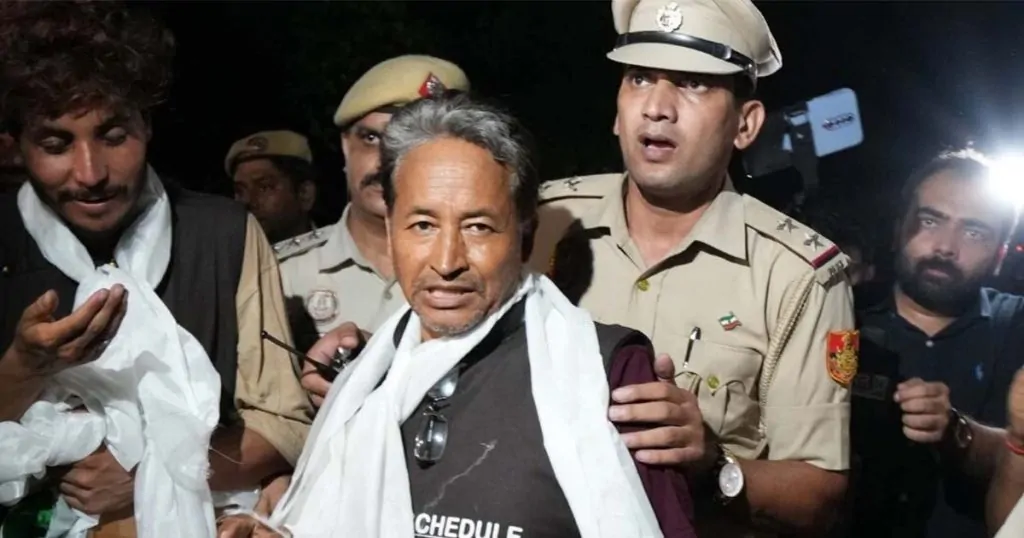
Sonam Wangchuk Update: Forced to Hospital, Says Abhijeet Dipke
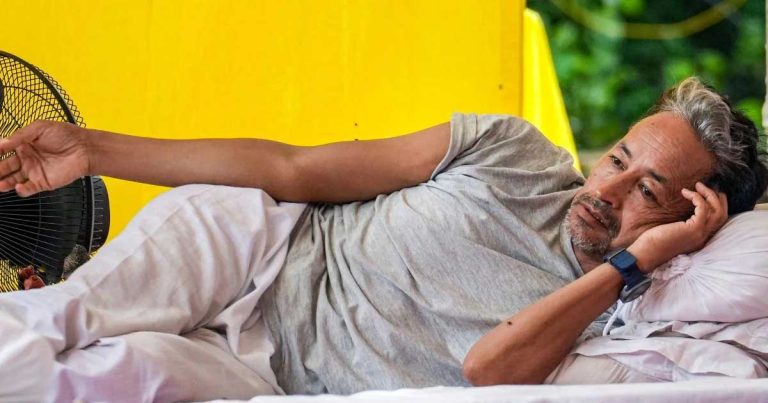
Attack Was Attempted on Sonam Wangchuk, Says Abhijeet Dipke
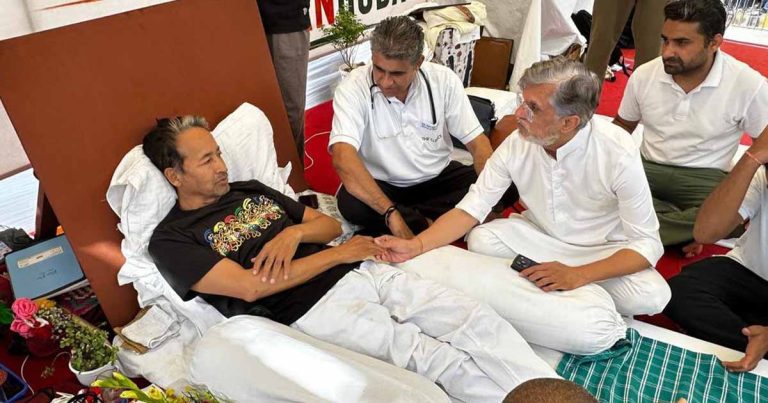
Sonam Wangchuk Vows to Survive Hunger Strike Until July 20

US Attacks Iran Again as Fighting Enters Sixth Night

Jordan Shoots Down Eight Iranian Missiles
US House Passes Permanent Daylight Saving Time Bill

Indian Crew Member Killed in Hormuz Tanker Attack