US Attacks Iran Again as Fighting Enters Sixth Night
Renewed strikes across the Gulf threaten energy supplies and place growing economic pressure on import-dependent Asian countries.


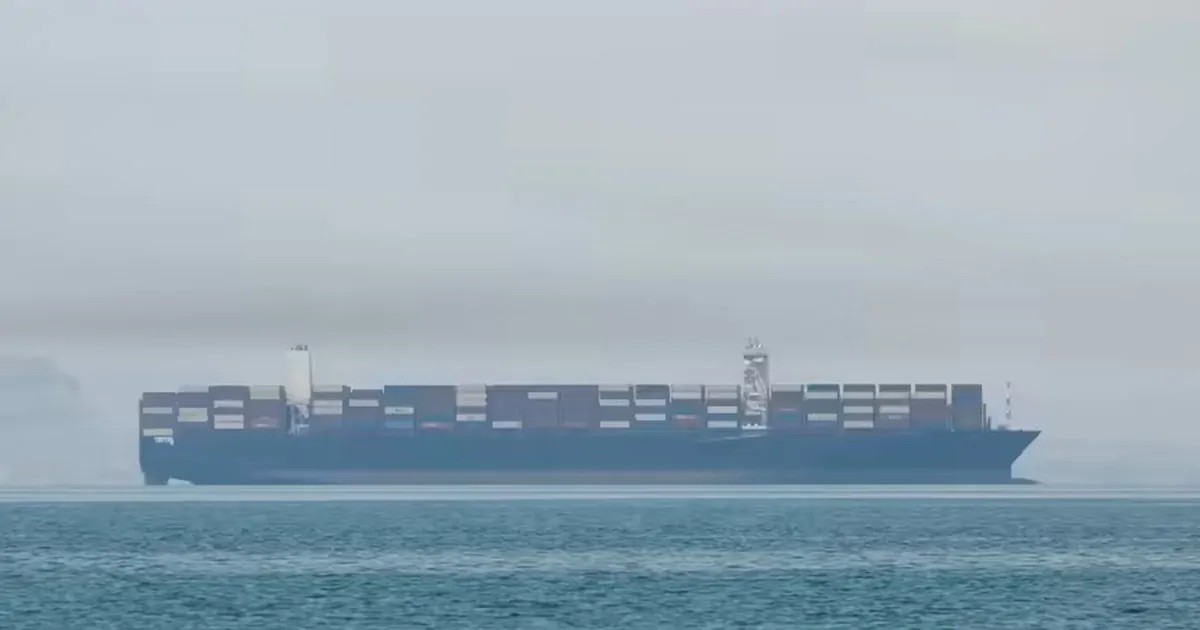
The renewed military confrontation between the United States and Iran has entered its sixth consecutive night, pushing security across the Persian Gulf into a more volatile phase and raising fresh concerns over global energy supplies.
American strikes have intensified around strategic coastal areas in southern Iran, while Tehran says it has retaliated by targeting US military facilities in neighboring Gulf countries with missiles and drones. As military operations expand beyond the immediate battlefield, the conflict is placing mounting pressure on regional security and international shipping.
The disruption has again centered on the Strait of Hormuz, one of the world’s most important energy corridors. With tanker movement largely halted, uncertainty over oil and gas supplies is growing, particularly for Asian economies that depend heavily on imports passing through the narrow waterway.
Strikes Spread Across Southern Iran
The US military said it carried out another night of airstrikes on Thursday as part of its campaign to weaken Iran’s military capabilities. It marked the sixth straight night of attacks and followed two major waves of strikes launched a day earlier, the first such escalation since a temporary understanding reached last month.
Iranian media said US attacks struck areas around Qeshm Island and Bandar Abbas near the Strait of Hormuz. Bandar Abbas is Iran’s largest port and also hosts key naval and Islamic Revolutionary Guard facilities.
Local officials said civilian infrastructure, including electricity facilities, bridges and railway stations, had also been damaged. Three bridges and a railway station in Bandar Khamir were reportedly hit, while Iran’s Iranshahr Airport in the southeast also came under attack. These claims have not been independently verified.
The latest attacks underline how military operations are increasingly affecting infrastructure beyond conventional military targets, adding to uncertainty for civilians living in southern Iran.
Iran Expands Retaliatory Actions
Iran said it had launched retaliatory strikes against US military aircraft stationed at an American base in Bahrain. Tehran also claimed responsibility for a ballistic missile attack on a recently expanded US air base in Jordan, alleging that the facility had been used in operations against Iran.
Kuwait’s military said it was intercepting missiles and drones approaching its territory, suggesting that the confrontation is placing additional pressure on the security systems of Gulf states beyond the two principal adversaries.
Qatar also urged residents to remain indoors or stay in secure locations for a period on Thursday night after warning of an elevated security threat. The country’s Interior Ministry later announced that the immediate danger had passed while continuing to advise the public to follow official instructions.
Hormuz Warning Raises Global Concern
An Iranian military spokesperson warned that the Strait of Hormuz would never return to its pre-war condition. At the same time, US Central Command said American forces had boarded a vessel in the Gulf of Oman as part of efforts to enforce maritime restrictions against Iran.
Tehran has tightened restrictions around the Strait since Wednesday, while Washington has renewed its blockade of Iranian ports. Oil and gas shipments through the route have once again slowed dramatically.
Iran has also warned that any further US attacks on its energy facilities, bridges or critical infrastructure would trigger strikes on important installations across the wider region. The warning came after US President Donald Trump indicated that Iranian power facilities and bridges could become future targets.
Asia Faces the Greatest Economic Pressure
International Energy Agency Executive Director Fatih Birol warned that prolonged disruption in the Strait of Hormuz could develop into a serious global energy security crisis.
Speaking at an event hosted by the Council on Foreign Relations, Birol said the coming weeks would be critical if normal shipping does not resume. Before the conflict escalated, roughly one-fifth of the world’s energy supplies passed through the narrow sea lane.
Since fighting intensified in late February, most traffic through Hormuz has remained disrupted. While the consequences are global, Birol said the burden is falling disproportionately on Asia.
According to the IEA chief, between 80 and 90 percent of the energy transported through the Strait is destined for Asian markets. Japan and South Korea are among the affected economies, but developing countries such as India, Pakistan and Bangladesh are expected to face deeper pressure from rising prices and supply disruptions.
Higher energy costs could drive up transportation, manufacturing, electricity generation and food prices, increasing inflationary risks for economies that depend heavily on imported petroleum products.
Ceasefire Hopes Continue to Fade
The preliminary understanding reached between Washington and Tehran last month had raised hopes that the prolonged confrontation could be contained. Those expectations have weakened sharply after a week of sustained military exchanges.
Although both sides had shown some restraint following four months of conflict, the scale and intensity of recent operations indicate that the crisis is again moving toward the risk of a broader regional war.
The political messaging has also become increasingly contradictory. President Trump welcomed what he described as the release of detained American citizen Dana Karari, calling it a goodwill gesture by Tehran. Iran’s judiciary rejected the claim, insisting that no American detainee had been released or exchanged.
With military strikes continuing, maritime restrictions tightening and diplomatic signals moving in opposite directions, prospects for a negotiated settlement appear increasingly fragile. Unless shipping through the Strait of Hormuz resumes, the consequences are likely to extend far beyond the battlefield, affecting energy-importing economies across Asia as well as the daily lives of millions of consumers.

Written by Pushpa Tamang
Pushpa Tamang is Managing Editor at Khoj Samachar, leading English and Nepali bureaus, newsroom operations, and editorial standards.
Jordan Shoots Down Eight Iranian Missiles
US House Passes Permanent Daylight Saving Time Bill
Indian Crew Member Killed in Hormuz Tanker Attack
South Korean Sailor Found Dead Near Northern Sea Border
US-Iran Clash Raises Gulf Alarm After Drone Attacks
Iran-America War Update: Hormuz Strait Closed

Heavy Rain Triggers Landslides in Uttarakhand