Government Restores Personal Secretary Facility for Lawmakers
The Cabinet has revived state-funded personal secretaries for federal lawmakers, reversing an earlier cost-cutting measure.


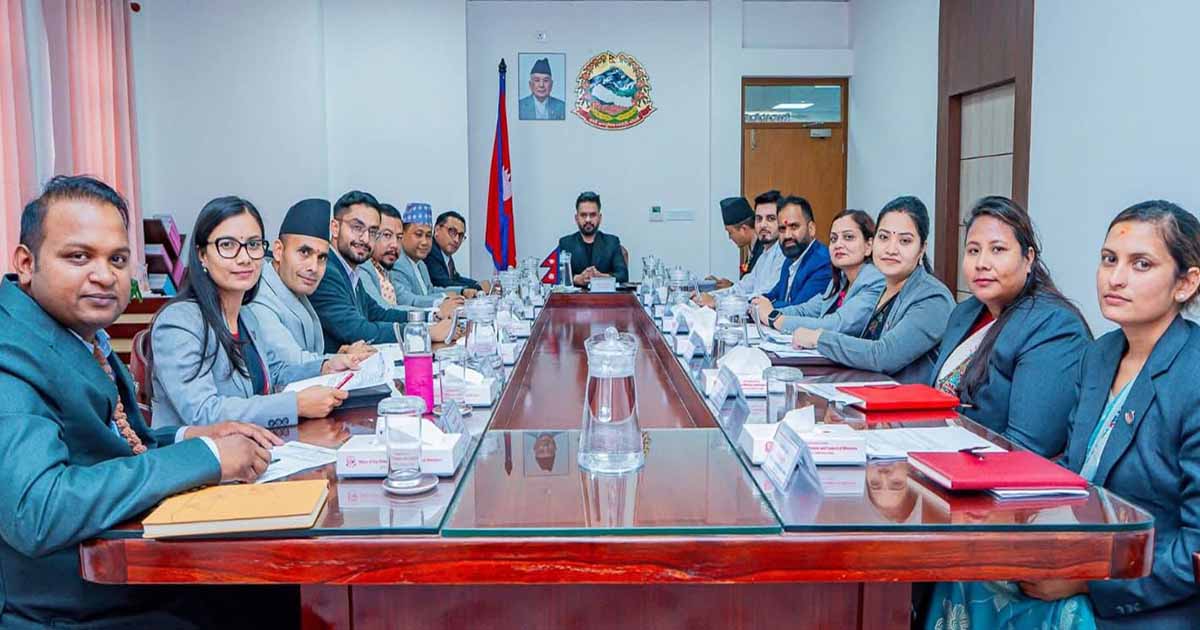
The government has restored the personal secretary facility for federal lawmakers, reversing an earlier cost-cutting decision that had removed the state-funded support. The move brings back a long-standing arrangement under which members of the Federal Parliament may appoint a personal secretary with benefits equivalent to those of a section officer.
The Cabinet led by Prime Minister Balendra Shah approved the proposal at its meeting on Tuesday, Asar 30, according to Minister for Law, Justice and Parliamentary Affairs Sobita Gautam.
Some Cabinet decisions were made public on the same day, but the decision concerning lawmakers’ personal secretaries was not immediately disclosed.
Legal schedule amended to revive facility
The government has amended the schedule of the Federal Parliament Officials and Members’ Remuneration and Facilities Act, 2016, to restore the provision.
The Law Ministry prepared the amendment proposal, which Gautam presented to the Cabinet.
The decision will formally take effect after the revised schedule is published in the Nepal Gazette. Once implemented, lawmakers will be able to appoint a person who has completed education up to the bachelor’s level as a personal secretary, with remuneration and facilities equivalent to those of a section officer.
Gautam said the Cabinet had decided to continue a facility already provided under the earlier legal framework.
“Lawmakers will now be able to appoint personal secretaries under the legal arrangement that existed before,” she said.
Earlier government had removed the benefit
The interim government led by Sushila Karki, formed after the Gen-Z movement, had scrapped the facility as part of a broader decision to reduce government spending.
Since then, some members of the new House of Representatives have employed personal secretaries but paid them from their own salaries and allowances.
Lawmakers had repeatedly argued that administrative support was necessary to manage parliamentary work, coordinate with constituencies, respond to citizens’ complaints and handle correspondence with government offices.
The restoration is therefore expected to ease the daily workload of members who often divide their time between legislative responsibilities and constituency demands.
Decision delayed for nearly four months
The proposal remained pending for about four months after reaching the Cabinet.
Prime Minister Shah had taken the position that the decision would move forward only after formal requests were submitted by all political parties, delaying the process.
Opposition parties, including the Nepali Congress, responded through their whips that the government should make the decision on its own if it believed personal secretaries were necessary for lawmakers. They said political parties would not submit applications seeking the facility.
The Cabinet eventually approved the proposal presented by Gautam without any formal application or request from the opposition parties.
The decision gives lawmakers back an administrative resource they had long demanded. It also returns a recurring public spending issue to the centre of governance debate.
A government that had defended the withdrawal of the facility in the name of expenditure control has now chosen to fund it again from the state treasury. The practical need for parliamentary support may be clear, but the reversal is also likely to draw scrutiny over the justification, cost and transparency of the restored benefit.

Written by Roshani Shrestha Pathak
Roshani Shrestha Pathak is the English Bureau Chief at Khoj Samachar, overseeing English-language editorial operations and newsroom coordination.
Supreme Court Orders Immediate Release of Former UML MP Koiri
Balen Shah Chairs Cabinet Meeting at Singha Durbar
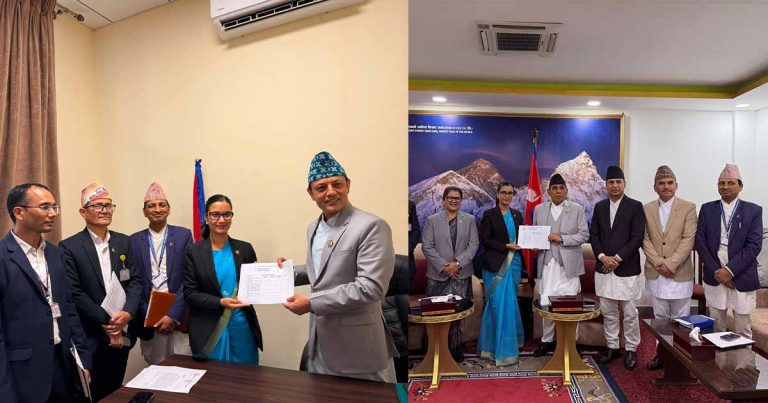
Sobita Gautam Sends 166-Bill Plan to Nepal Parliament
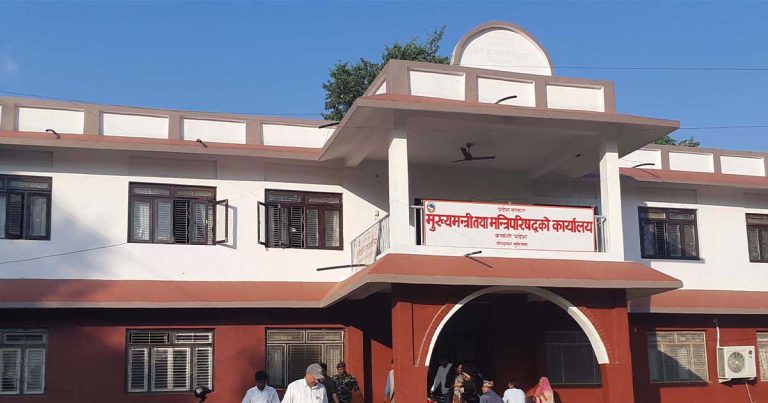
Four Congress Ministers Resign from Karnali Government
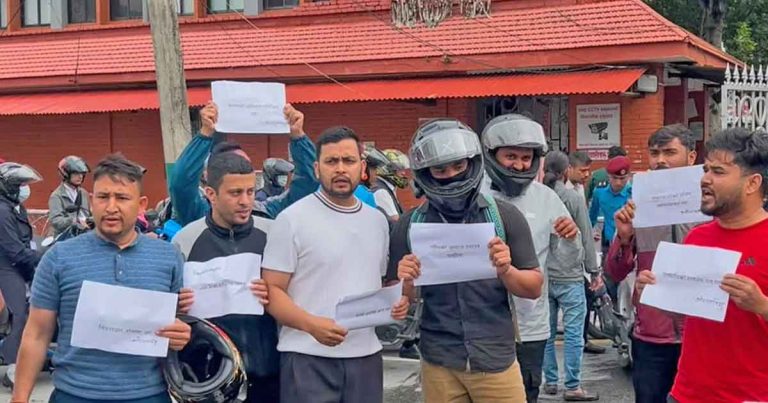
ANNFSU Students Protest at Singha Durbar South Gate
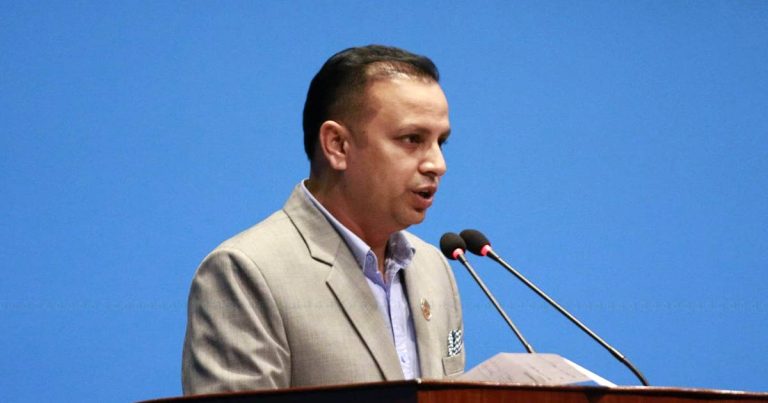
Manish Jha Calls for Investigation Into Media Blockades
Fake Bhutanese Refugee Scam in Nepal: Full Verdict and Sentences