Heavy Rain Triggers Landslides in Uttarakhand
Red alerts, rising rivers, landslides and more than 100 blocked roads disrupt daily life across Uttarakhand.


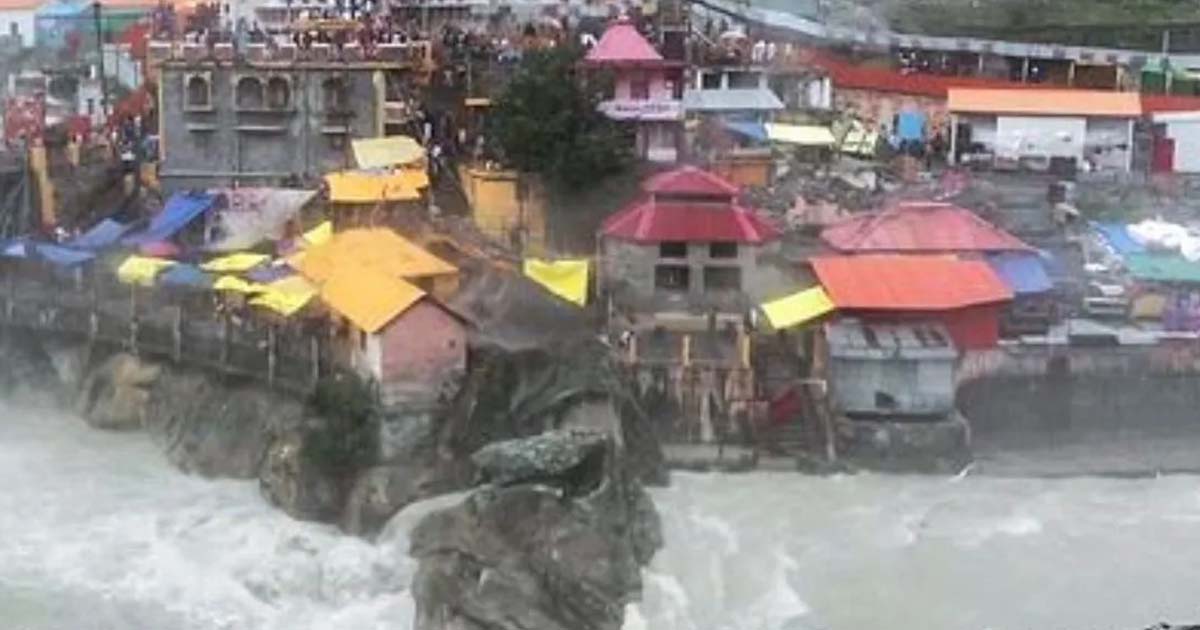
Days of relentless monsoon rain have pushed parts of Uttarakhand into a dangerous cycle of landslides, damaged roads and rising river levels, disrupting daily life across the Himalayan state.
The Alaknanda and Mandakini rivers are flowing close to danger levels, prompting authorities to warn people living near riverbanks and in low-lying areas to remain alert. At some locations, water has begun spilling beyond the usual river edges.
The threat is no longer limited to heavy rainfall in one or two districts. Several risks are now unfolding together: unstable hillsides, blocked transport routes, sudden flooding in streams and growing pressure along major rivers. For residents of mountain settlements, even routine movement has become uncertain.
Red alert in three districts
The India Meteorological Department has issued a red alert for Udham Singh Nagar, Nainital and Champawat, warning that isolated areas could receive extremely heavy rainfall.
Thunderstorms, lightning and intense bursts of rain over a short period are also possible. Such rainfall can quickly overwhelm local drainage channels and trigger fresh landslides in already saturated hill areas.
An orange alert is in place for Dehradun, Haridwar, Pauri and Bageshwar, where heavy to very heavy rainfall has been forecast.
Schools in Rudraprayag have been ordered to remain closed following continuous rain. The local administration said the decision was taken because travelling to and from educational institutions could expose students to unnecessary risk.
The closure reflects the wider concern across the state: roads that appear open can become unsafe within minutes when rocks begin falling or sections of a hillside collapse.
More than 100 roads affected
Rain-related damage has caused widespread disruption to road transport. PTI said 107 roads and transport routes across Uttarakhand have been affected by landslides, falling rocks and road subsidence.
Travel on mountain roads has become particularly risky. Authorities have asked people to check both weather conditions and the latest road status before beginning a journey.
Blocked roads do more than delay traffic in Uttarakhand’s hill districts. They can temporarily cut villages off from markets, schools, health services and district centres. With rainfall continuing, reopening one stretch does not guarantee that another will remain clear.
The administration has advised against unnecessary travel through vulnerable sections, particularly where slopes remain unstable or debris has recently been removed.
Flash flood warning across hill districts
The IMD has also warned of possible flash floods in Almora, Bageshwar, Chamoli, Champawat, Dehradun, Nainital, Pauri Garhwal, Pithoragarh, Rudraprayag, Tehri Garhwal and Uttarkashi.
The warning applies particularly to areas near rivers, streams, seasonal channels and natural watercourses. A large amount of rain falling within a short period can send water through these routes with little warning.
People have been told to stay away from riverbanks, bridges and places where the current is strong.
Water levels in the Alaknanda and Mandakini continue to rise. Local authorities have asked residents not to approach the rivers and to follow official instructions as conditions change.
The concern is especially serious for settlements built close to the water or below steep slopes. River erosion, sudden flooding and landslides can develop at the same time, leaving little room for delayed decisions.
Disaster teams placed on alert
The Uttarakhand administration has increased monitoring in vulnerable districts, with possible landslides, flash floods and riverbank erosion under close watch.
Rescue and disaster management agencies have been placed in a state of readiness. Residents of high-risk settlements have been told to remain prepared to move to safer locations if evacuation becomes necessary.
Authorities have also urged the public to rely on official weather and disaster updates rather than taking risks based on temporary breaks in the rain.
For now, the immediate priority is caution. The rivers are still rising, the ground remains saturated, and many hill roads remain exposed to fresh damage.

Written by Pushpa Tamang
Pushpa Tamang is Managing Editor at Khoj Samachar, leading English and Nepali bureaus, newsroom operations, and editorial standards.
Dalai Lama Birthday Controversy in Nepal: Tibet-China Risk Explained

Oil Prices Rise as US-Iran Tensions Flare

Is It Illegal for Nepalis to Get an Aadhaar or PAN Card in India?

Germany: Six died in Stade Shooting

Neymar Gives $250K for Venezuela Earthquake Victims
Kolkata Warehouse Collapse Update: 5 Dead, 2 Arrested

Colombia Beat Uzbekistan 3-1 in World Cup Opener