What Kulman Ghising Said After the Ganesh Nepali Incident
The Ujyaalo Nepal Party chair urged state agencies to enforce laws without ignoring citizens’ dignity, livelihoods and mental distress.


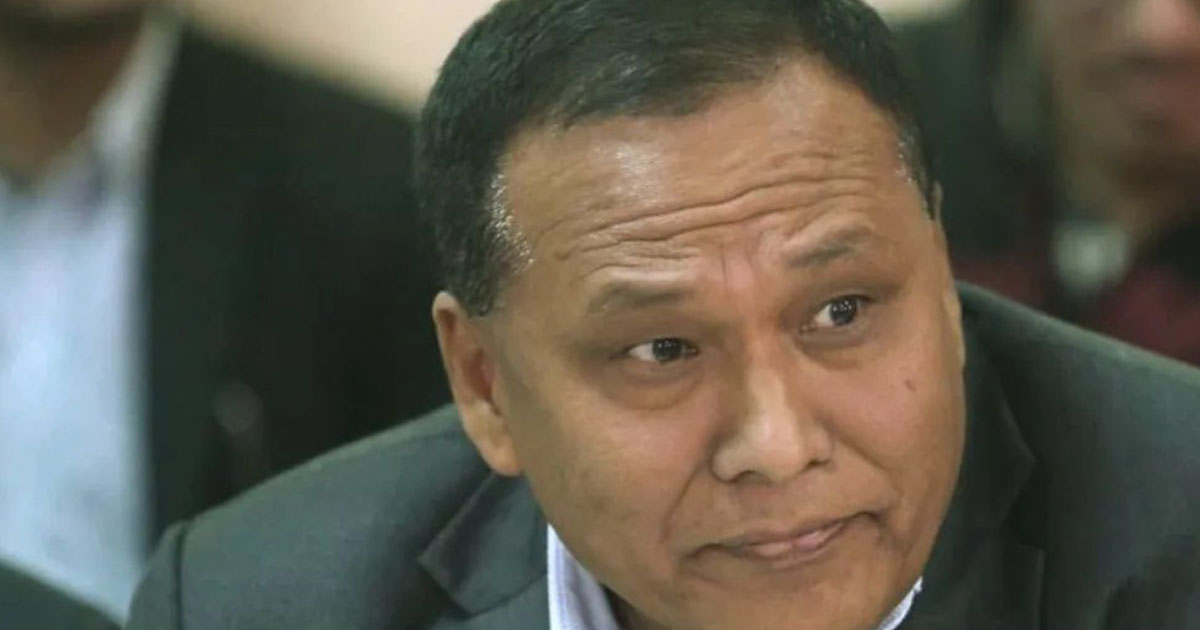
Ujyaalo Nepal Party chair Kulman Ghising has expressed serious concern over the self-immolation attempt by 25-year-old Ganesh Nepali, a ride-sharing worker who had been earning his living on the streets of Kathmandu.
Ghising said the incident outside the Department of Passports in Tripureshwor should not be dismissed as the impulsive act of one individual. It reflects the frustration, financial pressure and humiliation experienced by many young Nepalis trying to survive through self-employment and informal work, he said.
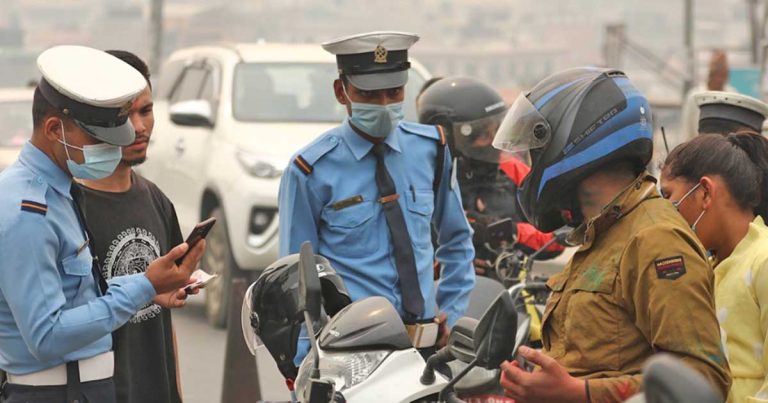
Ganesh attempted to set himself on fire on Thursday after Kathmandu Metropolitan City police placed a wheel lock on his parked motorcycle in Tripureshwor. He was critically injured.
For thousands of young people without secure employment, a motorcycle is not simply a vehicle. It is often their only means of earning. Ganesh’s case has brought that fragile reality into public view, showing how quickly an administrative action can become a breaking point for someone already under severe economic and psychological strain.
‘A representative figure of growing anger’
In a statement published on social media on Friday, Ghising described Ganesh as a “representative figure” of the despair and anger growing in Nepali society.
Young people who have not found adequate employment are struggling in ride-sharing, street trade and other informal sectors, he said. Harsh treatment from state agencies can deepen their frustration rather than help them remain economically active.
Ghising said the state has a responsibility to enforce the law, but enforcement cannot be separated from the life, dignity and psychological condition of citizens.
“Is the state’s job only to enforce the law, or is it also responsible for protecting citizens’ lives, dignity and human sensitivity?” he asked, questioning the working style of public institutions.
Laws are necessary, Ghising said, but humanity must not disappear during their implementation. Treating people struggling for a livelihood as criminals, or displacing poor and vulnerable families without providing dignified alternatives, cannot be accepted in a civilised society.
Warning against coercion without alternatives
Ghising also recalled the death of Indra Bahadur Rai during an earlier attempt to remove informal settlers from the banks of the Bagmati River.
He warned that efforts to evict citizens without long-term planning, rehabilitation and respectable alternatives can lead to grave human consequences.
Ghising also raised concern over reports that families kept in a holding centre were facing removal without proper alternative arrangements.
The Tripureshwor incident and the dispute over informal settlements may appear different, he said, but both expose the same question: whether state policy and administrative conduct recognise the human cost of their decisions.
Protest demands justice and investigation
A demonstration was held at Maitighar on Friday demanding justice for Ganesh.
Participants called for an end to humiliating treatment of unemployed and self-employed young people and demanded an impartial investigation into the circumstances surrounding the incident.
Ghising wished Ganesh, who remains seriously injured, a speedy recovery.

Written by Pushpa Tamang
Pushpa Tamang is Managing Editor at Khoj Samachar, leading English and Nepali bureaus, newsroom operations, and editorial standards.

Ganesh Nepali Dies During Treatment at Bir Hospital
Why Did Ganesh Nepali Take This Step?
Unpaid Traffic Fines to Block Transport Services
Kulman to Energy Minister: Give NEA a Full-Time Chief
‘We’re Not Balen’s Police’: Kailali DSP Called In Over Viral Speech
What Allowances Do Nepal Oil Corporation Employees Get?
Kulman Ghising: Government Has Energy, Needs Experience