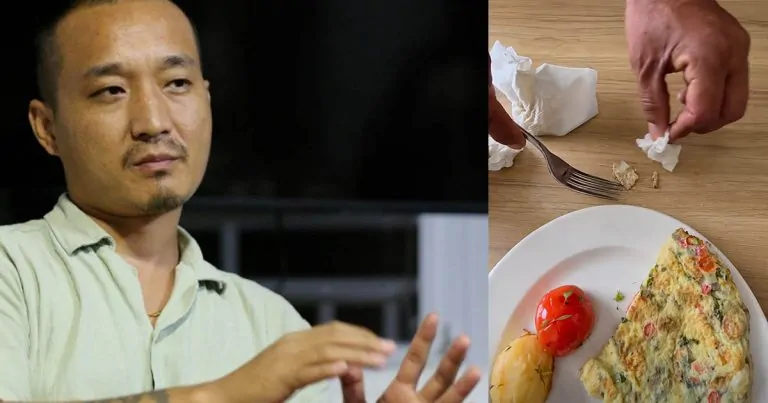
Why Did an RSP MP Recall Kulman Ghising in Parliament?
RSP lawmaker Prakash Pathak raised concerns over Nepal’s worsening electricity supply in Parliament, drawing comparisons with Kulman Ghising’s leadership of the Nepal Electricity Authority.


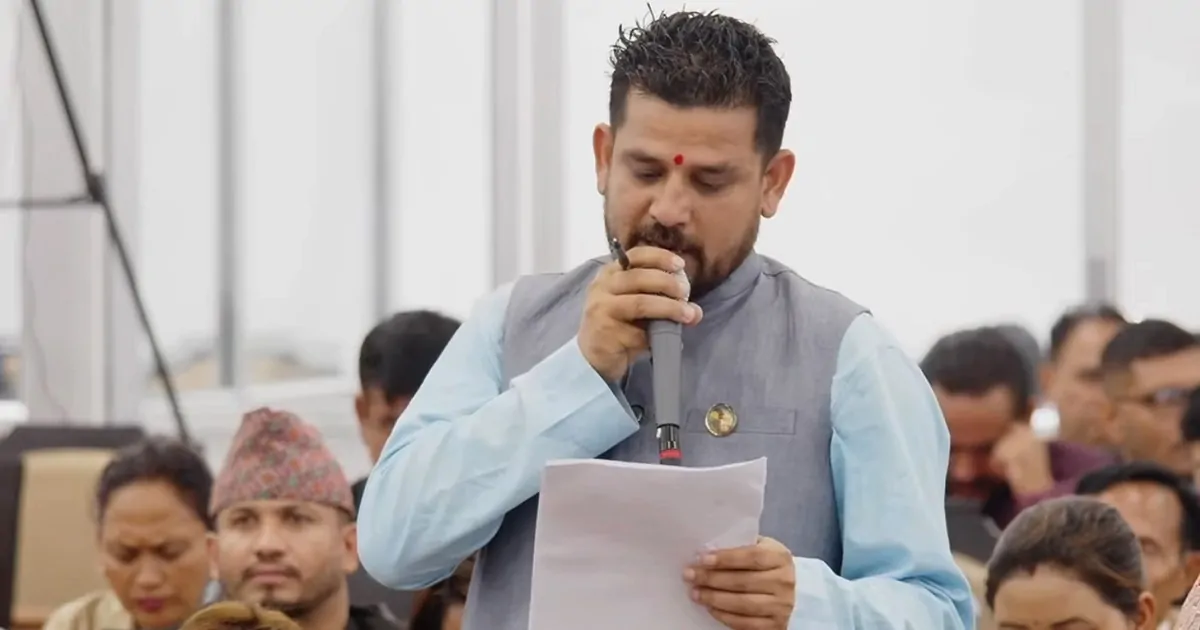
The condition of Nepal’s electricity supply returned to the center of political discussion in the House of Representatives on Monday, but this time the issue was not raised by the opposition. Prakash Pathak, the lawmaker elected from Jhapa-3 representing the ruling Rastriya Swatantra Party (RSP), drew attention to recurring power disruptions and invoked the record of former Nepal Electricity Authority Managing Director Kulman Ghising while questioning the present state of electricity management.
For many Nepalis, Ghising’s tenure remains closely associated with one of the country’s biggest public service turnarounds. At a time when households and businesses were enduring daily power cuts lasting between 18 and 22 hours, Nepal gradually emerged as a load-shedding-free nation after years of sustained operational reforms under his leadership.
The transformation also altered public expectations. Reliable electricity came to be viewed not as an exception but as a basic service that citizens could reasonably demand.
From Financial Losses to Profits
When Ghising assumed leadership of the Nepal Electricity Authority, the state-owned utility was recording losses worth billions of rupees.
He did not seek relief by proposing Value Added Tax on consumers, nor did he repeatedly push for electricity tariff hikes. Instead, the authority eventually reported profits running into billions of rupees, challenging the long-held belief that public institutions could not be run efficiently.
His tenure is also remembered for maintaining uninterrupted electricity supply during Tihar, including Lakshmi Puja, traditionally the period of Nepal’s highest electricity demand.
Despite that public image, Ghising later contested the parliamentary election from Kathmandu Constituency No. 3 and was defeated. His loss prompted widespread discussion that delivering results for the country alone may not be enough to secure electoral victory.
Public Frustration Growing During Peak Summer
The parliamentary discussion comes as many parts of Nepal continue to experience repeated power outages, low voltage and unreliable electricity supply during one of the hottest periods of the year.
Pathak raised these concerns inside Parliament, echoing complaints that have also been reaching Khoj Samachar from readers and viewers across the country.
The government has already decided to impose a five percent VAT on electricity consumption exceeding 50 units. At the same time, consumers in many areas say they are paying higher bills without receiving dependable electricity service.
The complaints are similar across districts. Some report repeated outages, while others say persistent low voltage has made household appliances and electrical equipment difficult to operate.
This year’s extreme heat has affected many countries around the world, with reports of heat-related deaths emerging internationally. In Nepal, especially across the Tarai, unreliable electricity has added another layer of hardship for residents coping with soaring temperatures.
The problem extends beyond household comfort. With the monsoon season underway, many farmers rely on electric pumps for irrigation. Readers have told Khoj Samachar through WhatsApp that low voltage is preventing those pumps from functioning properly even as electricity costs continue to rise.
Calls for Better Management
Energy Minister Biraj Bhakta Shrestha has now spent more than 100 days leading the Ministry of Energy.
Yet criticism is growing that the Nepal Electricity Authority has shown few notable achievements during this period.
Khoj Samachar believes that regardless of political differences, the government would benefit from seeking cooperation and professional input from experienced figures such as Kulman Ghising in the electricity sector. The authority has spent years establishing itself as one of Nepal’s better-performing public institutions, and allowing that progress to erode would come at a significant public cost.
The recurring outages and voltage problems seen during this summer demand serious attention from the government, the Ministry of Energy and the Nepal Electricity Authority.
Simply arguing that the system no longer has sufficient capacity is unlikely to satisfy consumers who remember a time when uninterrupted electricity supply was consistently maintained. Public frustration increasingly reflects a broader concern that shortcomings in planning and management, rather than capacity alone, may now be driving the decline in service.

Written by Pushpa Tamang
Pushpa Tamang is Managing Editor at Khoj Samachar, leading English and Nepali bureaus, newsroom operations, and editorial standards.
Prime Minister’s Office Like Hitler’s Gas Chamber: Lawmaker
Speaker Aryal: Learn Parliament, Not Your Phone
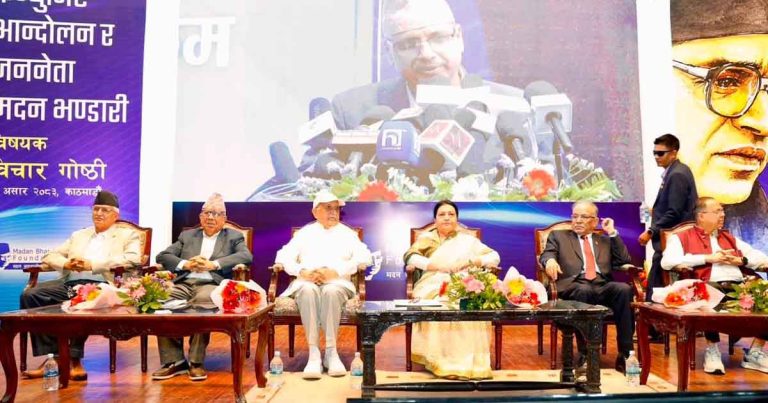
Four Former PMs Share Stage at Madan Bhandari Event
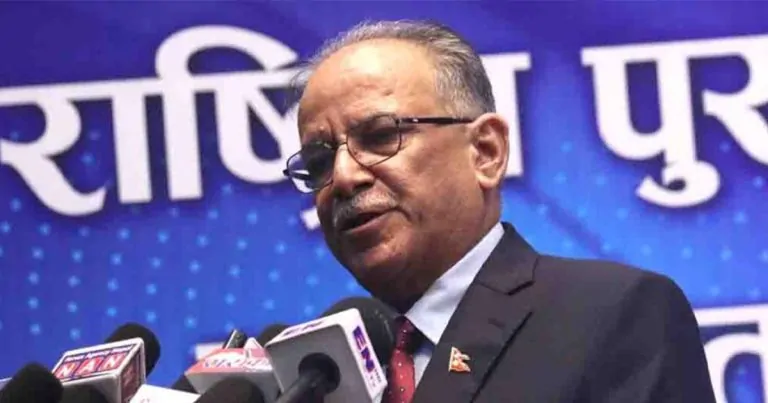
Prachanda Urges Left Unity at Bhandari Anniversary

Ramji Yadav Faces Scrutiny After Party Election Loss
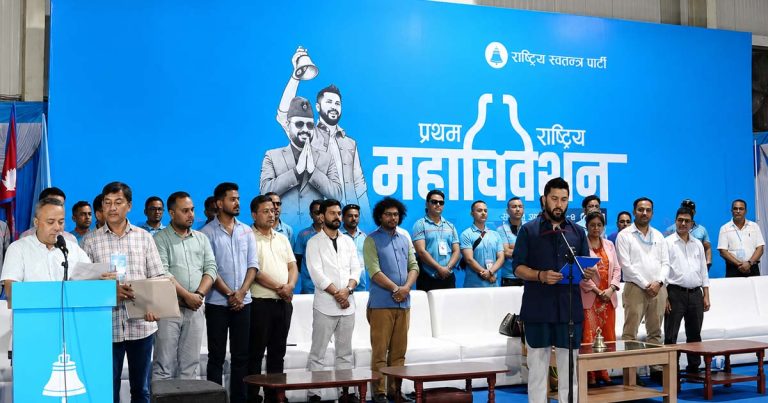
RSP Elects Rabi, Swarnim, Sobita and Bipin to Top Posts
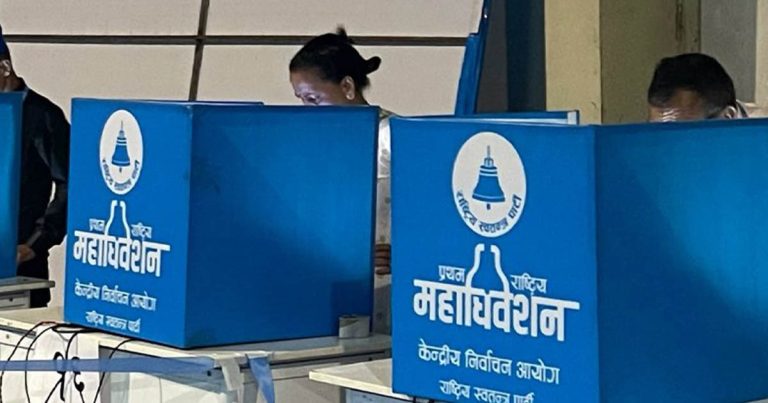
RSP Central Committee Elected Members List 2026