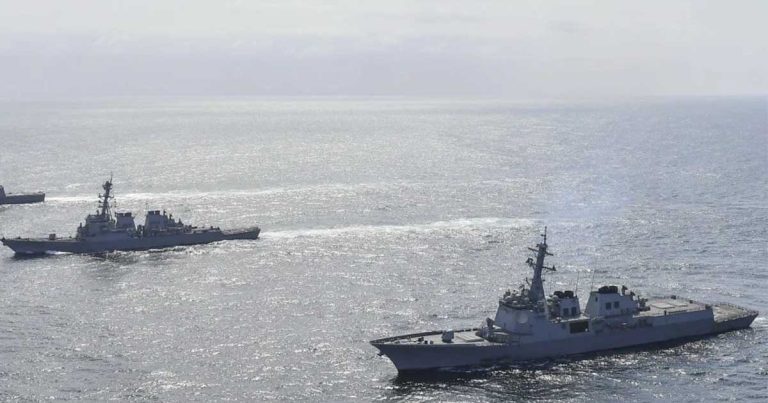
US-Iran Talks Face Setback After Gulf Strikes
New military exchanges involving Iran, the United States, Kuwait and Bahrain have renewed regional security concerns as diplomatic negotiations continue without a clear breakthrough.


Gulf Tensions Flare Again as Military Exchanges Cast Shadow Over US-Iran Talks
Fresh military activity across the Gulf has renewed fears of a wider confrontation between the United States and Iran, raising new questions about the durability of recent diplomatic efforts. Just days after a fragile pause in hostilities appeared to ease regional anxiety, both sides are once again trading accusations, while neighbouring Gulf states find themselves increasingly exposed to the fallout.
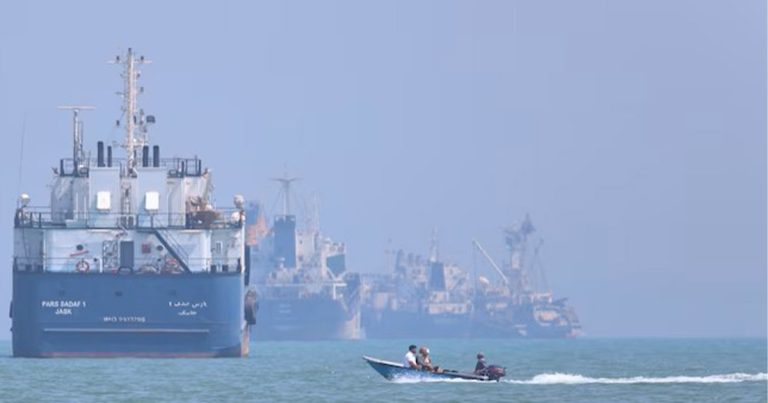
Iran says US forces targeted military infrastructure on Qeshm Island near the Strait of Hormuz on Wednesday. Tehran described the strike as a provocative act and warned that further action could follow in response.
The latest developments have added pressure to an already delicate diplomatic environment. While negotiations remain active, the security situation on the ground is moving in the opposite direction.
Kuwait and Bahrain Drawn Into Escalation
Claims of drone and missile attacks expanded concerns beyond the direct US-Iran confrontation.
Kuwaiti authorities said damage was reported at the passenger terminal of the country’s international airport after projectiles were directed toward the area. One person was killed and dozens were injured.
Iran, however, rejected allegations that the airport itself was the intended target. Tehran said its objective was Ali Al Salem Air Base, which it considers linked to US military operations.
Bahrain also reported that drones and missiles entering its airspace were intercepted and destroyed before reaching their targets.
US Says Most Threats Were Neutralized
The US Central Command said the majority of incoming missiles and drones aimed toward partner nations in the Gulf were successfully intercepted.
According to the command, some projectiles exploded in the air while others were destroyed with assistance from regional air defence systems.
The exchange has once again highlighted how quickly tensions around the Strait of Hormuz can affect multiple countries across the Gulf, even when they are not direct participants in the conflict.
Diplomacy Continues, But Progress Remains Unclear
Iran’s foreign minister said efforts to end the conflict have yet to produce any concrete breakthrough. He maintained that talks are continuing but acknowledged that no visible progress has been achieved so far.
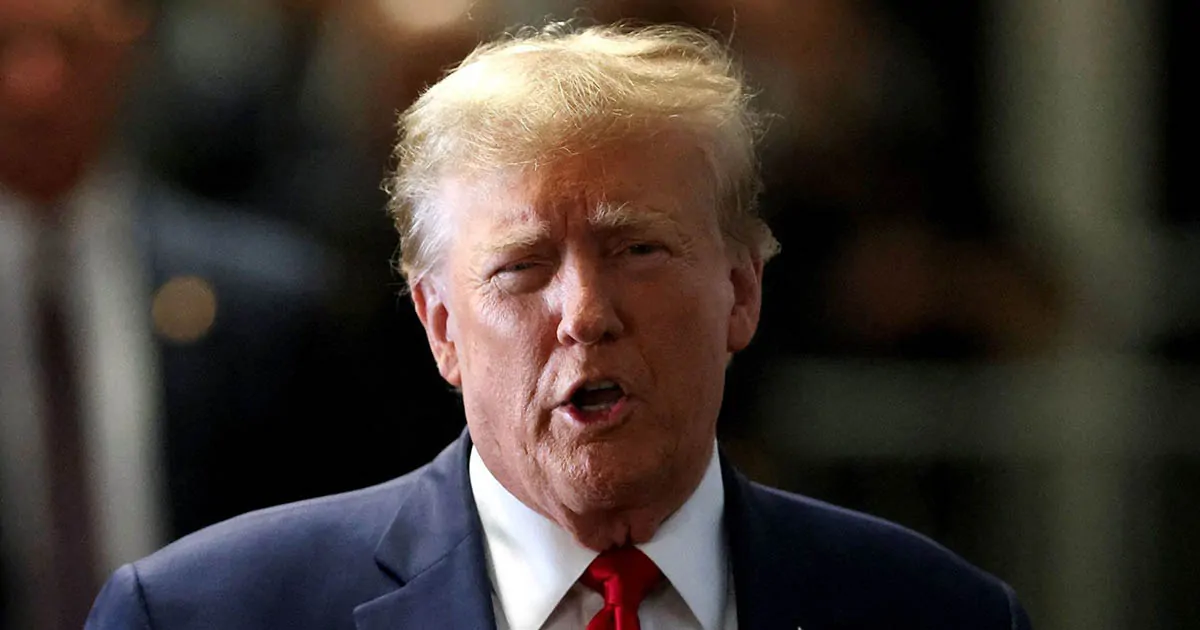
US President Donald Trump struck a more optimistic tone.
Speaking to reporters at the White House, Trump said negotiations were moving in a positive direction and suggested that a favourable outcome could emerge soon. At the same time, he acknowledged that continued military confrontations were making the peace process more difficult.
Political Pressure Builds in Washington
The conflict is also generating growing debate inside the United States.
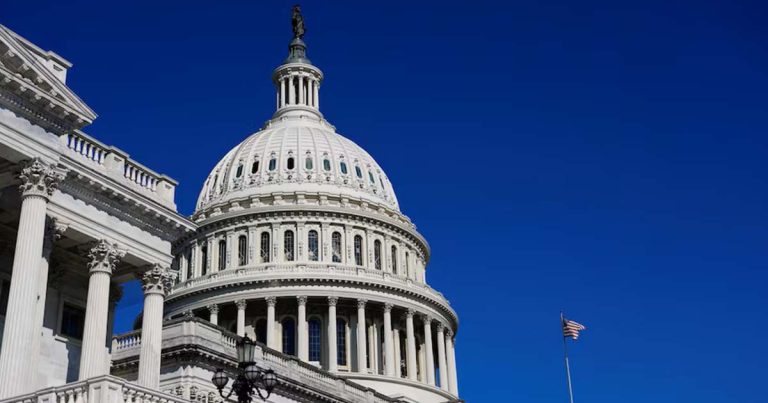
The US House of Representatives has passed a proposal urging the withdrawal of American military forces from the conflict. The measure gained additional attention after four Republican lawmakers joined Democrats in supporting it.
Although the proposal does not represent a final decision, it reflects increasing political scrutiny over Washington’s role and the potential costs of deeper involvement.
- Iran and the United States have exchanged fresh accusations following new military activity in the Gulf.
- Kuwait reported casualties and damage after drone and missile attacks, while Bahrain said incoming threats were intercepted.
- Negotiations between Washington and Tehran continue, but both sides are offering contrasting assessments of progress.
- Political divisions inside the United States over military involvement are becoming more visible.

Written by Roshan Shrestha
Roshan Shrestha is a Nepali investigative journalist and founder of Khoj Samachar, covering corruption, transparency, and public-interest issues.
Sonam Wangchuk Update: Forced to Hospital, Says Abhijeet Dipke

Attack Was Attempted on Sonam Wangchuk, Says Abhijeet Dipke

Sonam Wangchuk Vows to Survive Hunger Strike Until July 20

US Attacks Iran Again as Fighting Enters Sixth Night
Jordan Shoots Down Eight Iranian Missiles
US House Passes Permanent Daylight Saving Time Bill
Indian Crew Member Killed in Hormuz Tanker Attack