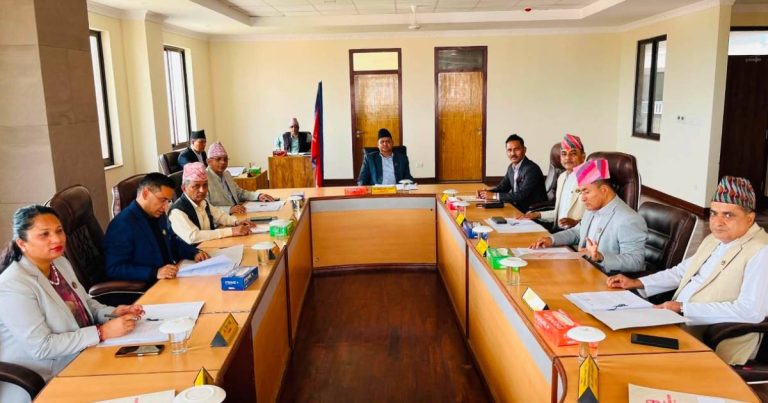
Singha Durbar Toilets Remain in Poor Condition
Despite a nationwide government cleanliness campaign, public toilets inside Nepal’s main administrative complex remain poorly maintained.


A nationwide government cleanliness campaign may have formally ended, but inside Nepal’s most important administrative complex, even basic public sanitation remains difficult to guarantee.
Despite the recent “National Cleanliness Week” launched across federal, provincial and local government offices, public toilets inside Singha Durbar continue to suffer from poor maintenance, lack of water supply and broken facilities, raising questions about how seriously public institutions are implementing the standards they promote.
The campaign, which ran until May 14 under guidelines issued by the Office of the Prime Minister and Council of Ministers, was intended to improve sanitation and cleanliness across government offices nationwide. But conditions inside the country’s main administrative centre tell a different story.
Although some of the public toilets inside the Singha Durbar complex appear superficially clean, visitors and service seekers have been facing regular inconvenience due to the absence of water required to flush toilets after use. The lack of functional facilities has gradually turned several washrooms unhygienic and difficult to use.
In some cases, toilet doors no longer lock properly, creating additional discomfort for users. Combined with inconsistent maintenance and poor water management, the condition of the facilities has become a visible contradiction inside the very centre of Nepal’s state administration.
Questions over implementation
Thousands of government employees, officials, visitors and service seekers enter the Singha Durbar premises every day. Yet concerns surrounding the condition of its public toilets suggest that sanitation campaigns are often treated more as formal administrative exercises than sustained public service responsibilities.
The situation has also renewed criticism over the gap between government announcements and on-ground implementation. While ministries and departments continue to promote cleanliness awareness publicly, the inability to maintain even basic sanitation infrastructure inside the country’s central administrative compound has drawn growing concern.
Need for immediate intervention
The deteriorating state of the facilities has highlighted the need for immediate repairs, reliable water supply and routine maintenance management inside the Singha Durbar complex.
Without timely intervention from the concerned authorities, the issue risks becoming another example of how public service standards often weaken behind official campaigns and policy messaging.

Written by Pushpa Tamang
Pushpa Tamang is Managing Editor at Khoj Samachar, leading English and Nepali bureaus, newsroom operations, and editorial standards.
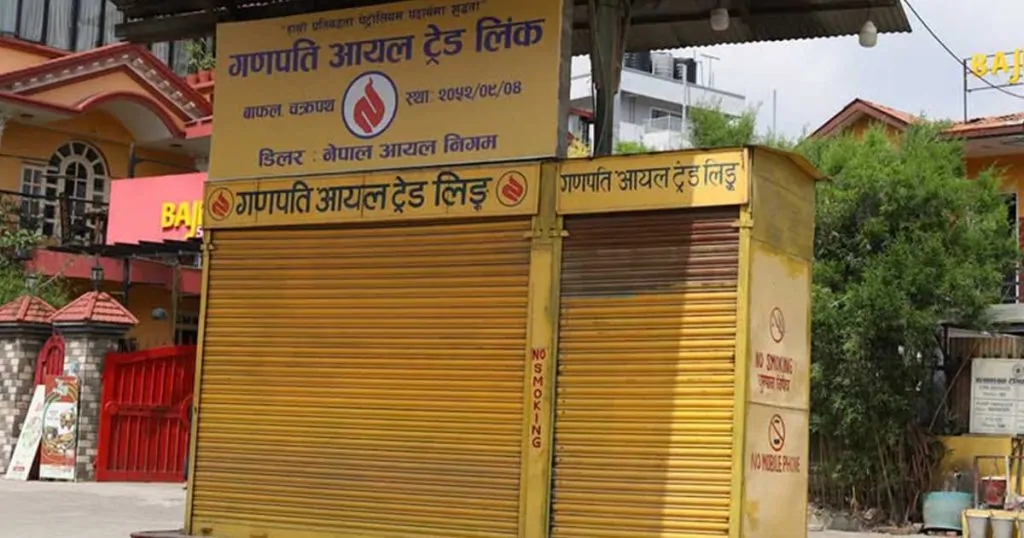
Nepal to Fine Fuel Pumps Up to NPR 1 Million for Shutting Down
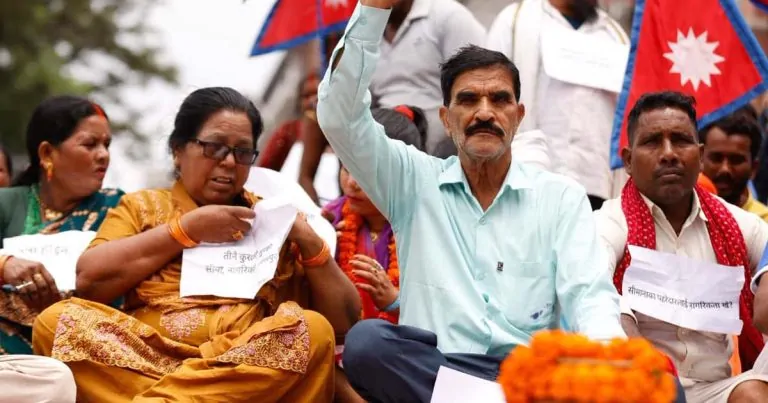
Why Susta Residents Have Come to Kathmandu?
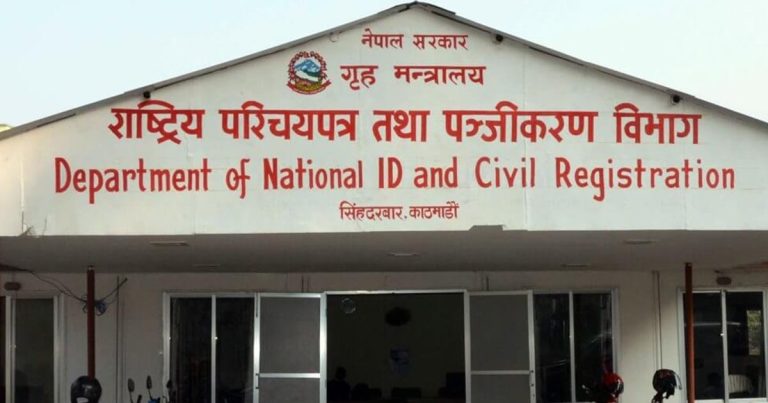
Nepal Government to Print National ID Cards Itself
Everything You Need to Know About the 2026/27 National Budget
Manoj Kumar Sharma Set to Become Nepal’s Chief Justice

Koshi Police Honors Inspector Sagar Sah for Innovative Policing

Asim Shah Reacts to Possible Gen Z Boycott of Talks