Narendra Modi Faces Press Freedom Questions During Norway Visit
A Norwegian journalist’s public challenge over media accountability has reignited debate around press freedom and democratic transparency in India.


Indian Prime Minister Narendra Modi is once again facing international scrutiny over questions surrounding press freedom and public accountability after a Norwegian journalist publicly challenged him during his recent Europe visit.
The moment unfolded in Oslo following a joint appearance with Norwegian Prime Minister Jonas Gahr Støre, where journalist Helle Lyng loudly asked Modi why he avoids taking questions from an independent press. Modi left the venue without responding, but the exchange quickly became one of the most discussed political moments from the trip.
The incident has reignited long-running criticism over the Indian prime minister’s relationship with the media. Since assuming office in 2014, Modi has not held an open solo press conference featuring unrestricted live questioning from journalists — an absence that critics say reflects a deeper weakening of democratic accountability in India.
Lyng later wrote on X that she never expected an answer from Modi, but believed it was the responsibility of journalists to question powerful leaders publicly. Her remarks drew wide attention across political and media circles, especially as debates over press freedom in India continue to intensify internationally.
Questions over democratic credibility followed Modi through Europe
The controversy did not end with the Oslo exchange.
During another press interaction organised by the Indian Embassy, Lyng again pressed Indian officials on issues tied to media freedom, minority rights and democratic transparency. She questioned why countries building strategic partnerships with India should ignore concerns surrounding shrinking space for independent journalism and pressure on minority communities.
Responding to the criticism, senior Indian diplomat Sibi George defended India’s democratic system, arguing that the country’s constitution guarantees fundamental rights and equal protections. He also insisted that international perceptions surrounding India’s media environment are often distorted or incomplete.
But the exchange only deepened the political debate already unfolding back in India.
Opposition leader Rahul Gandhi seized on the moment, arguing that leaders who have nothing to hide should not fear public questioning. Gandhi said images of a prime minister avoiding direct questions before an international audience damage India’s democratic image globally.
Press freedom concerns return to the global spotlight
The Oslo incident has again drawn international attention to India’s declining standing in global press freedom rankings.
According to the 2026 World Press Freedom Index published by Reporters Without Borders, India ranks 157th out of 180 countries, while Norway continues to hold the top position globally.
International media rights groups and civil society organisations have repeatedly raised concerns over increasing pressure on journalists, growing hostility toward critical media outlets and the use of state institutions against dissenting voices in India over recent years.
The debate has become especially sensitive as India positions itself as a leading democratic power on the global stage while simultaneously facing criticism over religious polarisation, communal tensions and restrictions on dissent.
Supporters accuse journalist of political bias
The incident has also triggered backlash from sections of India’s right-wing social media ecosystem.
Some users accused Lyng of carrying a political agenda and began circulating her older posts and writings related to China in an attempt to question her credibility. Others framed the confrontation as an orchestrated attempt to embarrass India internationally.
At the same time, many journalists, academics and civil society voices defended Lyng’s actions, arguing that questioning political leaders is a basic democratic function of journalism rather than an act of hostility.
For many observers, the larger issue is not the question itself but the continued absence of open press engagement from one of the world’s most powerful elected leaders.
Broader concerns surfaced beyond Norway
Questions over India’s democratic climate were not confined to Norway during Modi’s Europe tour.
In the Netherlands, concerns were also raised over declining press freedom and the treatment of minority communities in India. Dutch political voices reportedly expressed unease about growing pressure on Muslim communities and tightening restrictions around free expression.
Human rights organisations have similarly continued warning about increasing religious polarisation and the expanding use of state machinery in politically sensitive cases.
As India seeks stronger geopolitical partnerships across Europe, the debate unfolding around Modi’s media silence is increasingly becoming part of a larger international conversation — one tied not only to diplomacy and economic cooperation, but also to democratic credibility itself.

Written by Pushpa Tamang
Pushpa Tamang is Managing Editor at Khoj Samachar, leading English and Nepali bureaus, newsroom operations, and editorial standards.
Is It Illegal for Nepalis to Get an Aadhaar or PAN Card in India?
Germany: Six died in Stade Shooting
Neymar Gives $250K for Venezuela Earthquake Victims
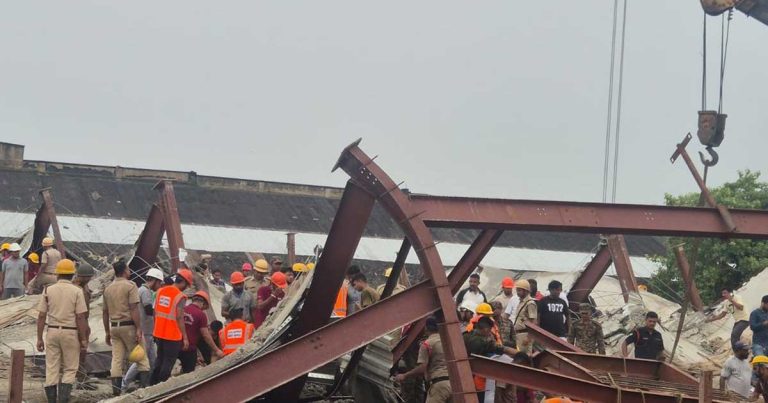
Kolkata Warehouse Collapse Update: 5 Dead, 2 Arrested
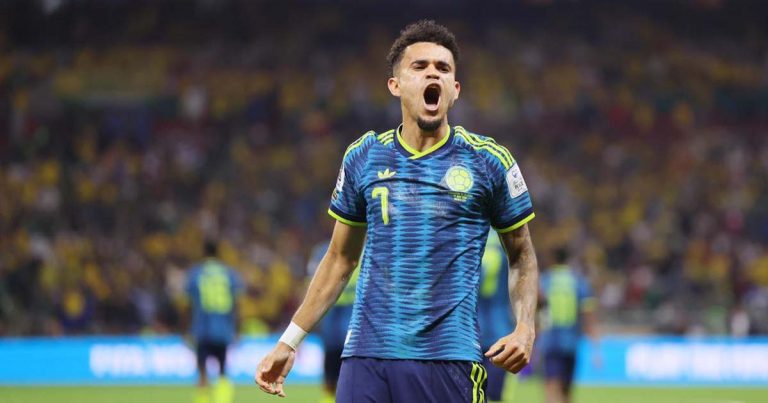
Colombia Beat Uzbekistan 3-1 in World Cup Opener
6.7-Magnitude Earthquake Shakes Indonesia’s Sulawesi
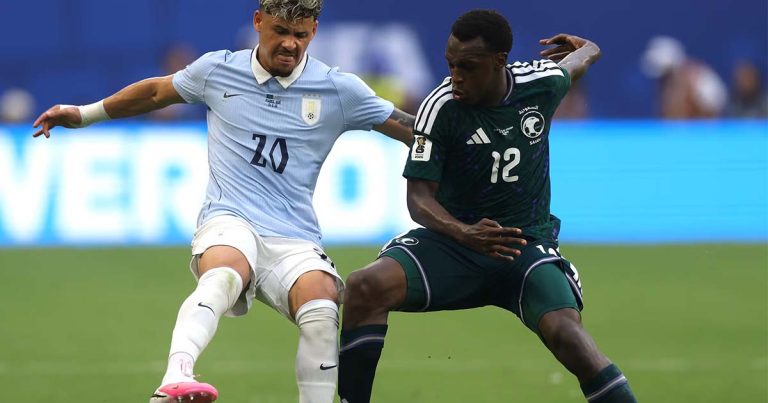
Saudi Arabia vs Uruguay Ends 1-1