Prakash Man Singh Criticizes Congress Leadership Push
Prakash Man Singh accuses party leaders of bypassing rules and using disputed signatures during internal Congress tensions


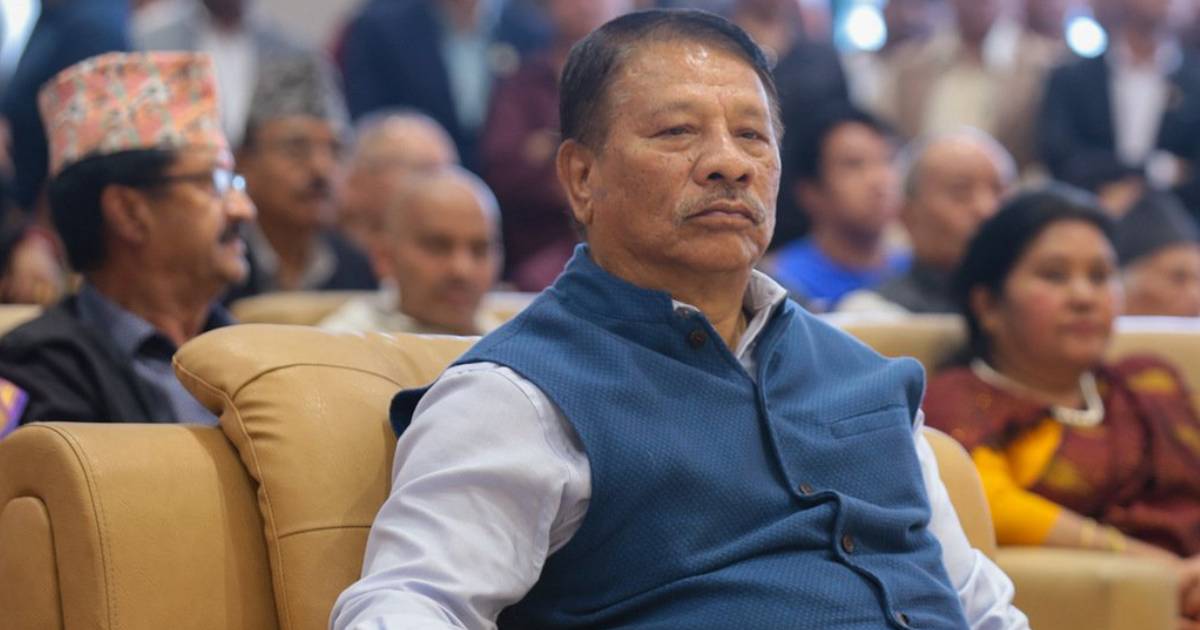
Nepali Congress leader Prakash Man Singh has sharply criticized party president Gagan Kumar Thapa, accusing him of attempting to weaken internal democratic processes in a rush to take control of the party leadership.
Speaking at a special gathering organized at the Bagmati Province level, Singh warned that bypassing the party’s constitution and established procedures could seriously damage the organization’s unity and credibility.
The remarks have added fresh tension inside the Nepali Congress at a time when discussions surrounding party leadership and preparations for the next general convention are becoming increasingly sensitive.
Singh also raised concerns over alleged fake signatures linked to representatives from the party’s 14th general convention, claiming there had been an effort to capture control of the party through improper means.
Senior Leader Questions Internal Party Process
During his address to party members and leaders, Singh said democratic values within the Nepali Congress must be protected at all costs. He argued that disagreements and debates are natural inside a democratic party, but any attempt to ignore the party’s constitution and rules in the name of leadership ambitions would not be acceptable.
He stressed that internal competition should remain within the framework of the party’s official procedures. According to Singh, leadership changes cannot be pursued by sidelining institutional norms that have guided the party for decades.
Singh also indicated that some recent developments inside the party had created concern among senior leaders who believe organizational discipline is being undermined.
Allegations Over Fake Signatures Raise Concern
A major point in Singh’s speech centered on allegations that fake signatures of representatives from the party’s 14th general convention had been used in an attempt to influence party affairs.
He claimed such actions could weaken the party structure and damage trust among members. Without naming specific individuals directly during parts of his speech, Singh suggested that efforts were being made to gain control of the organization through methods that violate party rules.
The Nepali Congress leader questioned how any political organization could function effectively if forged signatures and disputed procedures became part of its internal politics.
- Singh accused some party figures of ignoring established procedures.
- He alleged attempts were made to use fake signatures linked to convention representatives.
- He warned against weakening the party through unconstitutional methods.
- He called for unity before moving toward the next general convention.
Reminder of Party’s Historical Role
While criticizing current developments, Singh also reminded party leaders of the historical sacrifices made by senior figures of the Nepali Congress in establishing democratic rights in the country.
He said generations of party leaders had played a major role in protecting public freedoms and strengthening democratic institutions. According to him, the contribution of those leaders should not be ignored in present-day political struggles inside the organization.
Singh emphasized that the party was built through long political struggles and public support, making it important for current leaders to respect its traditions and institutional values.
He also urged the party president to remember the responsibility that comes with leading a party that has historically played a central role in the country’s democratic movement.
Warning Against Weakening the Organization
The senior Congress leader warned that leaders who value the party’s institutional strength would not remain silent if rules and procedures continued to be bypassed.
He stated that weakening internal systems for short-term political gain could create long-term damage for the organization. Singh said party members who believe in democratic practices are closely watching the current situation and expect leadership to act responsibly.
According to him, the issue is not simply about leadership competition but about protecting the credibility and functioning of the party itself.
He also suggested that concerns raised by senior leaders should not be dismissed lightly, especially at a time when the party needs unity and stability.
Call for Inclusive Leadership Ahead of General Convention
Singh said the Nepali Congress should move toward its regular general convention only after bringing together leaders and members from all groups and levels within the organization.
He stressed the importance of inclusiveness and collective participation in party decision-making. Instead of promoting exclusion or division, Singh argued that the leadership should create an environment where all factions feel represented.
According to him, the party can remain strong only when internal disagreements are handled through dialogue and constitutional mechanisms rather than confrontation.
He also encouraged leaders to focus on strengthening unity instead of deepening internal disputes during a politically sensitive period for the party.
Debate Reflects Growing Internal Pressure
The comments made by Singh reflect the growing pressure and political competition inside the Nepali Congress as discussions surrounding leadership and organizational control continue to intensify.
Internal debates over party management, leadership style, and adherence to constitutional procedures have increasingly become central issues within the organization. Singh’s remarks suggest that concerns over transparency and democratic practice are now emerging more openly among senior leaders.
At the same time, his speech highlighted the challenge facing the party leadership in balancing internal competition while maintaining unity among different factions.
The developments are likely to keep internal party politics in focus in the coming days as leaders continue discussions over the future direction of the Nepali Congress and preparations linked to the party’s organizational activities.


Written by Roshan Shrestha
Roshan Shrestha is a Nepali investigative journalist and founder of Khoj Samachar, covering corruption, transparency, and public-interest issues.
Prime Minister’s Office Like Hitler’s Gas Chamber: Lawmaker
Speaker Aryal: Learn Parliament, Not Your Phone
Four Former PMs Share Stage at Madan Bhandari Event
Prachanda Urges Left Unity at Bhandari Anniversary
Ramji Yadav Faces Scrutiny After Party Election Loss
RSP Elects Rabi, Swarnim, Sobita and Bipin to Top Posts
RSP Central Committee Elected Members List 2026