Chandika Bhatta Resigns as Nepal Oil Corporation Chief
Nepal Oil Corporation Executive Director Chandika Bhatta steps down amid government moves to review political appointments


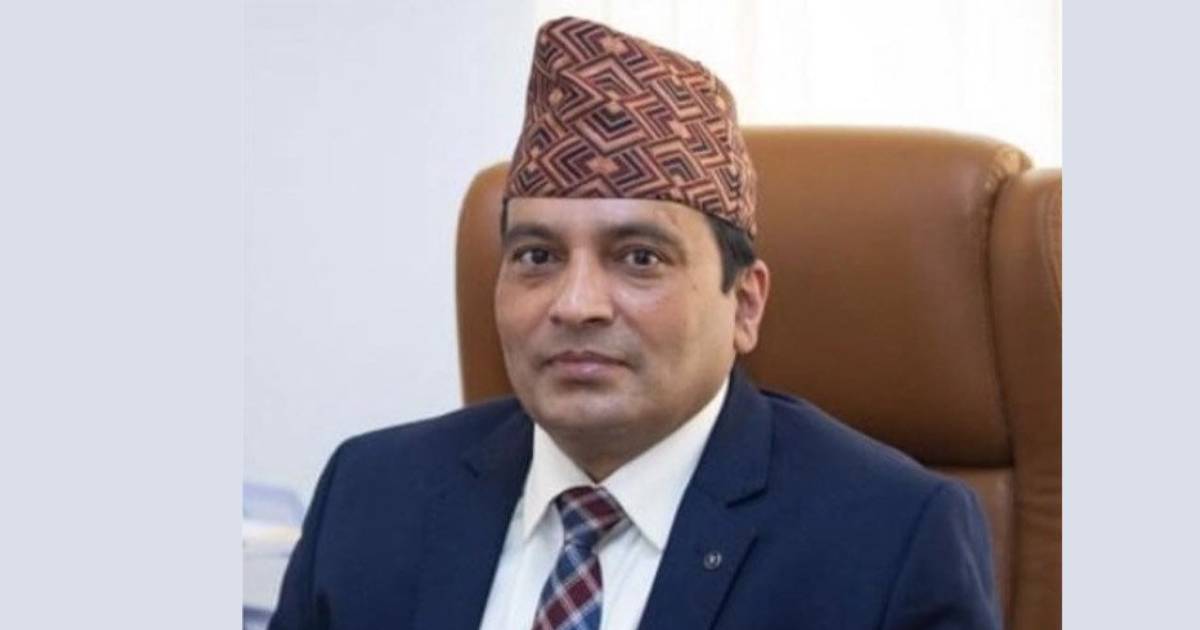
Nepal Oil Corporation Executive Director Chandika Bhatta has stepped down from his position after submitting his resignation to the Ministry of Industry, Commerce and Supplies on Wednesday. The resignation comes at a time when the government is moving ahead with a plan to remove a large number of political appointees through a newly introduced ordinance related to public office holders.
Although the leadership of Nepal Oil Corporation was reportedly not included in the government’s immediate decision to cancel political appointments, Bhatta chose to resign voluntarily. His departure is being viewed as a move to ease the government’s transition process as administrative changes continue across various public institutions.
The resignation has drawn attention because Bhatta previously served in the same role and was associated with several policy decisions during his tenure, including the introduction of an automatic fuel pricing system at the state-owned fuel supplier.
Resignation Submitted to Ministry
The Ministry of Industry, Commerce and Supplies confirmed that Chandika Bhatta submitted his resignation letter on Wednesday. Ministry spokesperson Netra Prasad Subedi acknowledged that the document had been received by the ministry.
Bhatta had been serving as the executive director of Nepal Oil Corporation after being appointed by the Cabinet on February 18, 2024. His resignation came amid wider discussions surrounding political appointments in state-owned institutions and public agencies.
The development follows increasing activity within the government to review and remove appointments made through political decisions in previous administrations.
Government Moves Ahead With Ordinance
The resignation coincides with the government’s efforts to implement the “Special Provision Ordinance Related to Removal of Public Officials, 2026.” The ordinance has been introduced to facilitate the cancellation of a large number of political appointments made in different public bodies.
The government has already indicated its intention to clear politically appointed positions as part of broader administrative restructuring. The process has created uncertainty among office bearers appointed through Cabinet decisions in recent years.
Even though the leadership position at Nepal Oil Corporation was reportedly not directly targeted under the current process, Bhatta decided to leave the office on his own.
Decision Seen as Making Way for Government
Officials familiar with the development said the resignation was interpreted as an effort to make way for the government’s ongoing policy direction.
Rather than waiting for a formal decision regarding his position, Bhatta submitted his resignation voluntarily. The move is expected to help the government proceed more smoothly with any future leadership arrangements at the corporation.
The resignation also reflects the broader impact of the government’s ordinance on public institutions, even in cases where direct action has not yet been announced.
Previous Experience at Nepal Oil Corporation
This was not Bhatta’s first term leading Nepal Oil Corporation. He had previously served as executive director in 2013 before returning to the role again in 2024.
During his earlier tenure, the corporation introduced an automatic fuel pricing system on september 29, 2014. The mechanism was considered an important policy shift in the management of petroleum product prices in the country.
The pricing system allowed fuel prices to be adjusted automatically based on international market trends and operational costs. The decision was regarded as one of the major administrative changes introduced during his leadership.
Political Appointments Under Review
The government’s current approach toward political appointments has become a major issue across several public institutions.
The ordinance introduced by the government is intended to establish a special arrangement for removing office holders appointed through political decisions. As discussions continue, several officials holding key positions in state agencies are expected to face uncertainty regarding their future roles.
The situation has also triggered debate about the stability of leadership in public corporations and the long-term impact of frequent administrative changes.
- Chandika Bhatta resigned on Wednesday
- The resignation was submitted to the Ministry of Industry, Commerce and Supplies
- The government is implementing a new ordinance targeting political appointments
- Bhatta was appointed executive director in February 2024
- He had also previously led Nepal Oil Corporation in 2013
- The automatic fuel pricing system was introduced during his earlier tenure
Focus Turns to Future Leadership
With Bhatta’s resignation now confirmed, attention is likely to shift toward who will lead Nepal Oil Corporation next. The corporation plays a central role in fuel supply and petroleum management across the country, making leadership changes closely watched by both the government and the public.
The government has not yet announced any replacement or interim arrangement following the resignation. However, the latest development signals that administrative restructuring within public institutions may continue in the coming days as the ordinance process moves forward.
Bhatta’s departure marks another important change within a state-owned institution at a time when the government is pushing ahead with broader reforms linked to political appointments and public administration.


Written by Roshani Shrestha Pathak
Roshani Shrestha Pathak is the English Bureau Chief at Khoj Samachar, overseeing English-language editorial operations and newsroom coordination.
Prime Minister’s Office Like Hitler’s Gas Chamber: Lawmaker
Speaker Aryal: Learn Parliament, Not Your Phone
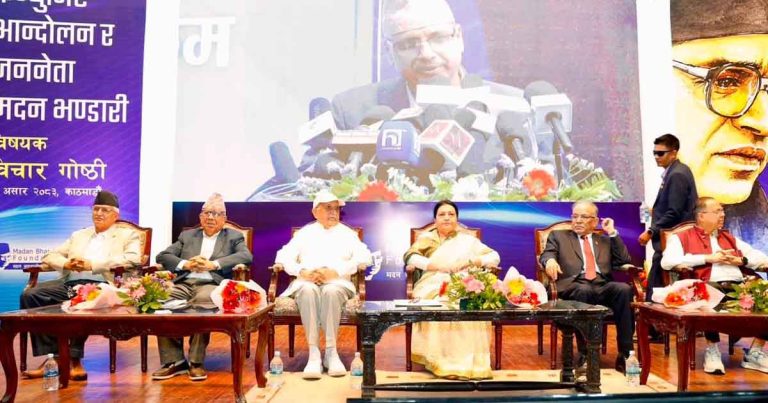
Four Former PMs Share Stage at Madan Bhandari Event
Prachanda Urges Left Unity at Bhandari Anniversary

Ramji Yadav Faces Scrutiny After Party Election Loss
RSP Elects Rabi, Swarnim, Sobita and Bipin to Top Posts
RSP Central Committee Elected Members List 2026