Donald Trump Downplays Iran Clash Near Hormuz Strait
US and Iran exchange accusations after military strikes near the Strait of Hormuz as tensions continue despite ceasefire claims


Tensions between the United States and Iran escalated again after overnight military action near the Strait of Hormuz, a critical global shipping route for oil and gas supplies.
The latest confrontation involved claims of attacks on American naval vessels, retaliatory airstrikes, and renewed accusations of violating a fragile ceasefire that has remained under pressure for weeks.
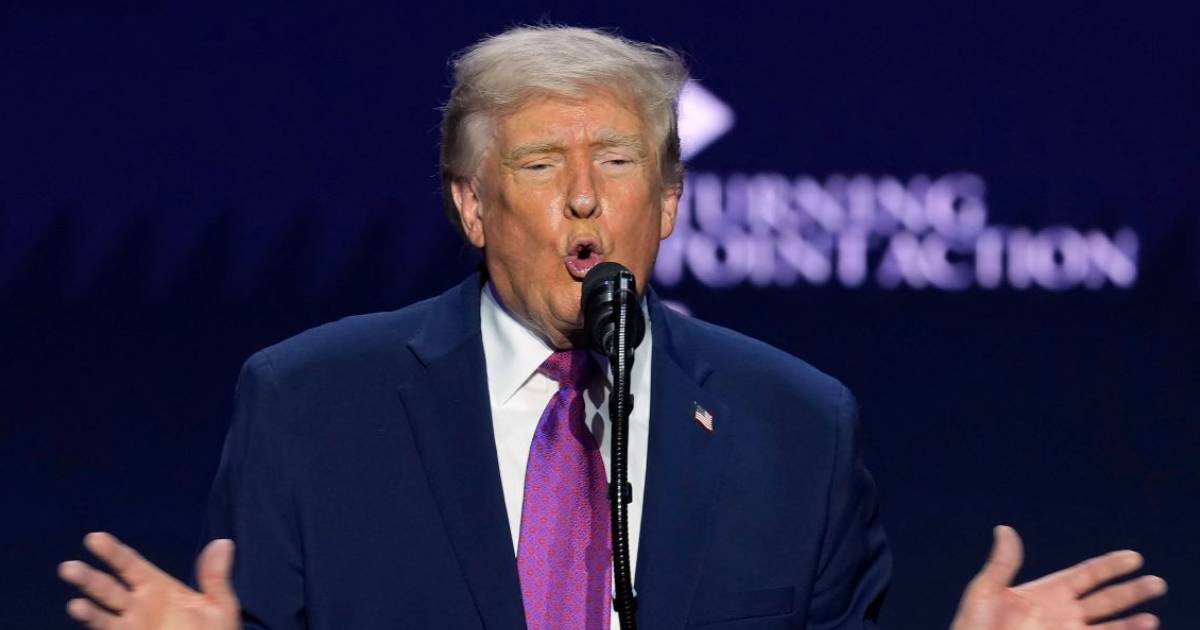
US President Donald Trump attempted to downplay the seriousness of the latest incident, describing the exchange as a “love tap” rather than a major step toward wider conflict. Despite the strikes and growing military tension in the Persian Gulf region, Washington has continued to insist that the ceasefire remains active.
US Launches Airstrikes After Reported Attack Near Hormuz
According to the US military’s Central Command, American forces carried out strikes on Iranian missile and drone launch facilities after Iranian forces allegedly targeted a US missile destroyer operating near the Strait of Hormuz.
The military said the operation was a direct response to threats against American naval assets in the region. Officials also stated that no damage had been reported to the US vessel involved in the incident.
The latest confrontation unfolded close to one of the world’s most strategically important maritime routes, where a significant share of global energy shipments passes each day. Security concerns in the area have repeatedly affected international oil markets during recent months.
Trump Says Ceasefire Still in Effect
Speaking in an interview, Trump insisted that the overnight confrontation should not be seen as a collapse of the ceasefire arrangement between the two countries.
He referred to the military exchange as only a limited clash and claimed that the ceasefire was still holding despite the strikes. Later, he also posted statements on social media saying Iranian small boats had been sunk and missiles and drones fired toward the American destroyer had been intercepted.
Trump additionally warned Iran to move quickly toward an agreement through negotiations. He indicated that failure to reach a deal could result in stronger military responses in the future.
The comments appeared aimed at calming concerns over the possibility of a broader conflict while simultaneously maintaining pressure on Tehran during ongoing diplomatic discussions.
Iran Accuses Washington of Violating Truce
Iran rejected the American version of events and accused the United States of breaching the ceasefire by launching attacks inside Iranian territory.
The country’s Islamic Revolutionary Guard Corps claimed American forces had targeted an oil tanker and another vessel entering the Hormuz area. Iranian authorities also reported US airstrikes in Qeshm Island as well as in the southern coastal cities of Bandar Khamir and Sirik.
Iranian state media said explosions were heard in several locations near the Persian Gulf, including around Qeshm Island and Bandar Abbas. Reports also suggested clashes involving what Iranian outlets described as “enemy forces” near the Bahman port area on Qeshm Island.
Iran’s Khatam al-Anbiya Central Command later warned that the country would respond firmly to what it described as violations of the ceasefire agreement.
Explosions Reported in Tehran and Southern Coastal Areas
The overnight developments were not limited to the Hormuz region. Iranian media also reported a large explosion in the capital, Tehran, late Thursday night.
Authorities activated air defense systems in western parts of the city after reports of incoming threats. Local residents were said to be alarmed as military activity intensified in several areas.
Iranian officials claimed that multiple strategic sites had been targeted, including a shipbuilding center in Qeshm, the Bahman port area, and zones near Bandar Abbas airport.
Some international reports, quoting senior Iranian officials, also alleged that the United Arab Emirates had involvement in the incident. However, no official response was immediately issued by the UAE regarding those claims.
Ceasefire Remains Fragile Despite Ongoing Talks
The current ceasefire between Washington and Tehran has been in place since April 7, but tensions have continued through repeated small-scale confrontations.
Military incidents involving drones, missiles, and naval patrol boats have occurred several times since the truce began. Earlier this week, the US military reported destroying Iranian drones, cruise missiles, and small boats operating near the Strait of Hormuz.
At the same time, diplomatic negotiations aimed at making the ceasefire permanent are still continuing between the two sides.
Several major disagreements remain unresolved, particularly regarding Iran’s nuclear program and the reopening of shipping routes through the Hormuz corridor. Those issues have become central points in ongoing negotiations between the two governments.
- The ceasefire has remained in effect since April 7
- Military incidents have continued despite the agreement
- Discussions over Iran’s nuclear activities remain unresolved
- Shipping access through the Hormuz route is still under dispute
Oil Market Reacts to Rising Gulf Tensions
The renewed instability in the Gulf region quickly affected global energy markets.
Oil prices in Asian trading reportedly climbed by around three percent following the latest military confrontation. Analysts said investors were reacting to fears that prolonged instability around the Strait of Hormuz could disrupt international energy supplies.
The waterway remains one of the most important transit routes for global oil and gas exports. Around one-fifth of the world’s oil and gas supply moves through the Hormuz passage, making any security threat in the area highly significant for international markets.
The latest rise in tensions has once again raised concerns over energy security, shipping safety, and the possibility of further military escalation in the region if negotiations fail to ease the conflict.


Written by Pushpa Tamang
Pushpa Tamang is Managing Editor at Khoj Samachar, leading English and Nepali bureaus, newsroom operations, and editorial standards.

Is It Illegal for Nepalis to Get an Aadhaar or PAN Card in India?

Germany: Six died in Stade Shooting

Neymar Gives $250K for Venezuela Earthquake Victims
Kolkata Warehouse Collapse Update: 5 Dead, 2 Arrested

Colombia Beat Uzbekistan 3-1 in World Cup Opener
6.7-Magnitude Earthquake Shakes Indonesia’s Sulawesi

Saudi Arabia vs Uruguay Ends 1-1