Gagan Kumar Thapa Criticises Riverbank Eviction Drive
Nepali Congress leader says the government’s demolition campaign in Kathmandu is harsh and lacks humanitarian planning


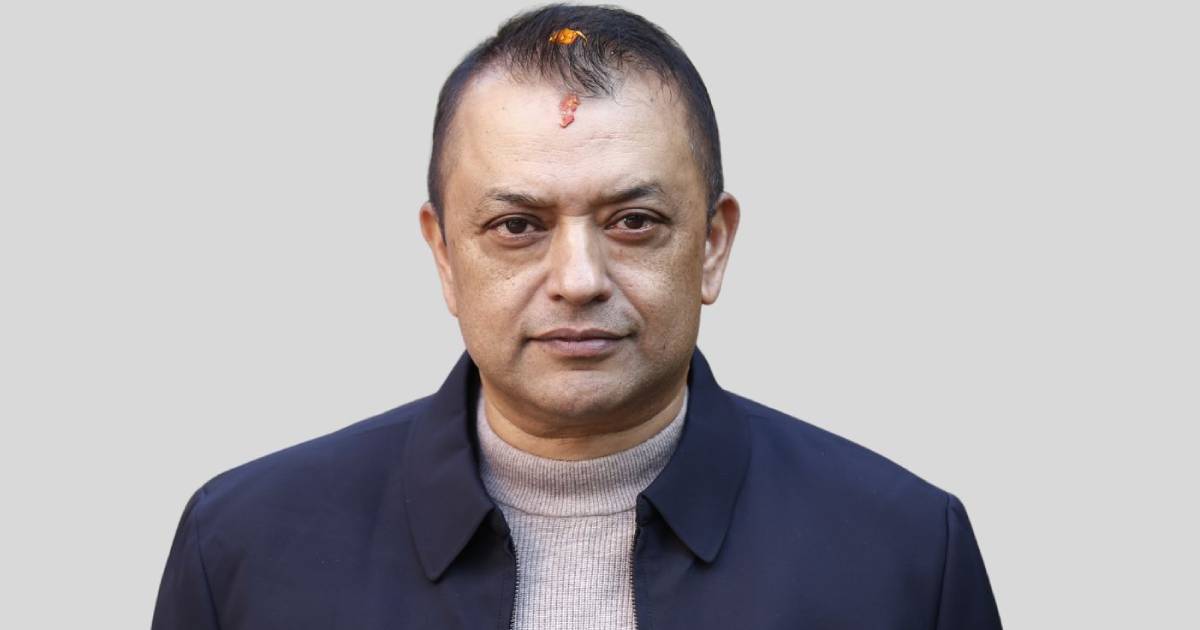
Nepali Congress President Gagan kumar Thapa has criticised the government’s handling of settlements along riverbanks in Kathmandu, saying the use of bulldozers without proper humanitarian consideration is unacceptable. Speaking after a parliamentary party meeting on Saturday, he said the need to relocate settlements near rivers was understood, but the current approach had created fear and distress among vulnerable communities.
He argued that the issue was not about allowing people to remain on riverbanks permanently, but about whether the state was acting responsibly while carrying out eviction and relocation measures. According to him, the government must balance its authority with compassion, fairness and long-term planning rather than relying on force alone.
Concerns Raised Over Forced Evictions
Thapa said his party had formally objected to what he described as harsh and inhumane state behaviour during recent demolition drives. He stated that the government’s current strategy was creating unnecessary suffering among people already living in difficult conditions.
He explained that he had previously supported legal amendments that aimed to clarify how settlements along riverbanks should be managed. According to him, relocation was necessary in some areas, but the process needed proper preparation and alternative arrangements for affected families.
He warned that accepting aggressive state action without criticism could lead to even greater abuse of power in the future.
Call for Humanitarian Treatment
The Nepali Congress leader said the state has the authority to enforce laws and remove illegal structures when required, but stressed that there must be limits to how force is used.
He argued that people living in public spaces or informal settlements should not face degrading treatment during eviction operations. Instead, the government should ensure minimum dignity and protection while implementing its policies.
According to Thapa, a democratic state is expected to act with judgement, justice and humanity rather than cruelty. He added that the constitution itself does not support excessively harsh state behaviour.
The opposition leader also said the debate should not be simplified by labelling all residents living along riverbanks as illegal settlers. He insisted that the real issue was how the government planned to manage and rehabilitate affected communities.
Previous Legal Process Left Incomplete
Thapa said earlier efforts in parliament had nearly resolved several longstanding issues related to informal settlements, land management and riverbank housing.
- Rules regarding informal settlers had been discussed extensively
- Measures for managing unplanned settlements were close to completion
- Plans for handling riverbank settlements had already been drafted
- Discussions included possible revenue collection mechanisms and legal procedures
He said the proposed legislation had already been passed by the House of Representatives before political developments later disrupted the process.
According to him, the parliamentary process was interrupted after events that took place in late August, followed by the dissolution of parliament before the law could move further in the National Assembly.
Criticism Over Dissolution of Land Commission
Thapa questioned the government’s decision to dissolve the land commission without introducing a clear replacement mechanism capable of resolving the same issues.
He said the government later formed another committee, but argued that the problems faced by large numbers of people living in unmanaged settlements still remained unresolved.
According to him, the country had been close to settling these complicated land-related disputes after years of debate, but the process had again fallen into uncertainty.
He said the issue was not whether the state possessed power, but how that power was exercised. In his view, state authority should always be guided by accountability and sensitivity toward affected citizens.
Reference to Earlier Incidents
The Nepali Congress president also referred to an earlier incident in late August when state authorities had used force during similar operations. He said his party had opposed those actions at the time as well because authorities failed to consider humanitarian concerns and basic rights.
He claimed that recent demolitions reflected the same pattern.
According to him, structures including monasteries and schools had been demolished during the latest operations. He also alleged that authorities did not properly consider the condition of vulnerable individuals, including people with disabilities and women recovering from childbirth.
Thapa suggested that such actions were deepening public concern about how the state was implementing relocation policies in sensitive communities.
Support for Some Government Policies
Despite criticising the handling of the eviction issue, Thapa said the Nepali Congress had also supported the government on matters where it believed national interests were involved.
He pointed to diplomatic initiatives concerning border-related national issues, including areas such as Lipulekh and Limpiyadhura, saying the opposition had openly backed the government’s efforts.
He also acknowledged that the party had supported certain governance-related reforms introduced by the administration.
However, he stressed that the opposition would continue to speak out strongly whenever it believed the government had made fundamental mistakes.
Opposition Role in Parliament
Thapa reminded lawmakers that the Nepali Congress had previously played an active opposition role even when a strong majority government was in power in 2017.
He said the party intended to continue fulfilling the same responsibility inside parliament by questioning policies and raising public concerns when necessary.
According to him, opposition parties have a duty not only to support positive national initiatives but also to challenge state actions that may violate democratic values or humanitarian principles.
He added that party lawmakers had been reminded of this responsibility during the parliamentary party meeting held on Saturday.


Written by Pushpa Tamang
Pushpa Tamang is Managing Editor at Khoj Samachar, leading English and Nepali bureaus, newsroom operations, and editorial standards.
Prime Minister’s Office Like Hitler’s Gas Chamber: Lawmaker
Speaker Aryal: Learn Parliament, Not Your Phone
Four Former PMs Share Stage at Madan Bhandari Event
Prachanda Urges Left Unity at Bhandari Anniversary

Ramji Yadav Faces Scrutiny After Party Election Loss
RSP Elects Rabi, Swarnim, Sobita and Bipin to Top Posts
RSP Central Committee Elected Members List 2026