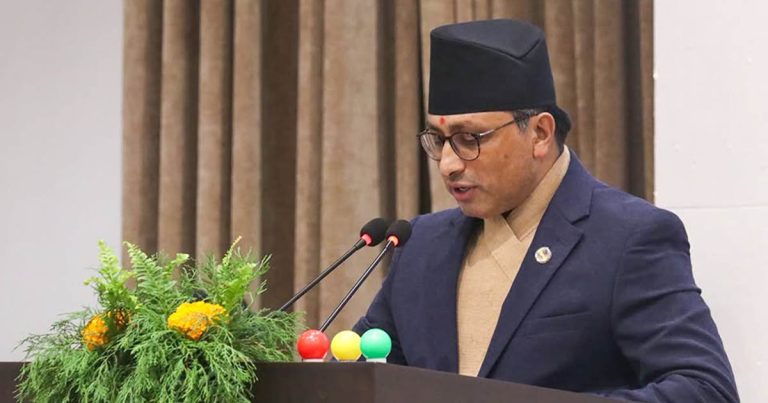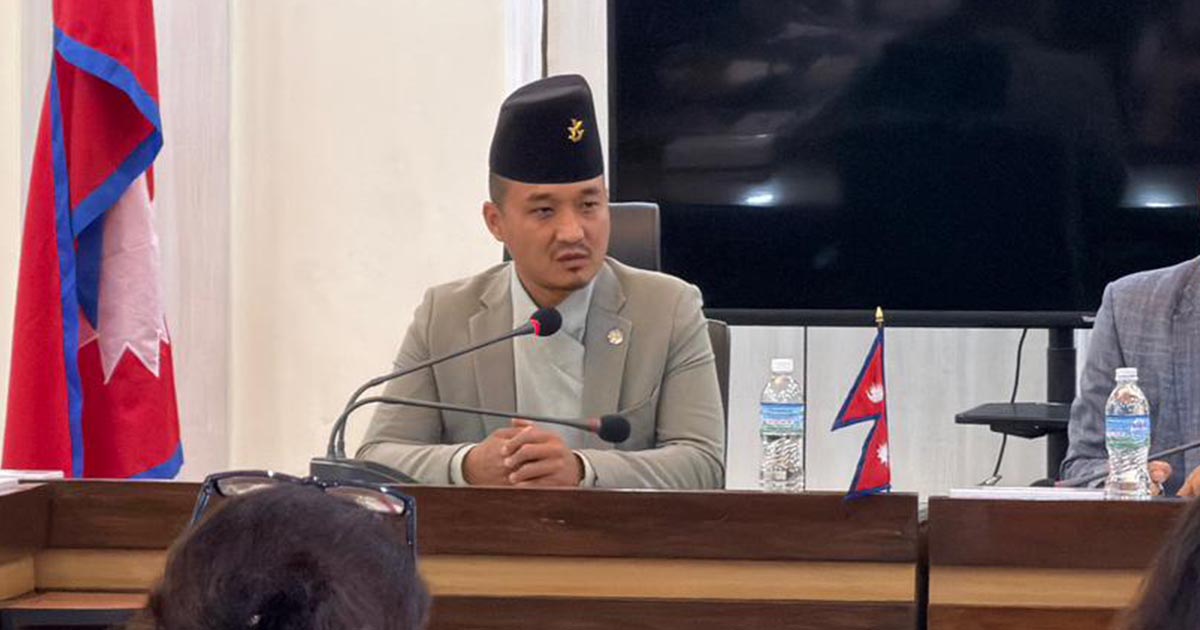
Sudan Gurung’s resignation just 26 days after becoming Nepal’s Home Minister has now turned into a bigger national question — not just what happened, but what it means for the government, public trust, and the fight against corruption.
While Gurung says he stepped down on moral grounds and has called for an independent investigation, the issue has exposed deeper concerns about transparency, asset disclosure, and the influence of powerful middleman networks inside the system.
Role of Middleman Network and Deepak Bhatt
The central figure in this controversy is, who is widely known as a powerful middleman in Nepal. Even though Bhatt is currently in custody, he is believed to still influence former prime ministers, senior leaders, big businessmen, and even people within the current government.
He has been accused of controlling multiple systems — from securing high-level appointments to arranging company licenses through illegal channels and influencing the share market.
Connection with Star Micro and Liberty Insurance
One major issue that led to Gurung’s resignation is his link with two companies — Star Micro Insurance and Liberty Insurance.
Police investigation shows that these companies received licenses in 2079 BS under Bhatt’s influence. Around two years ago, Gurung purchased 12,500 shares in each of these companies.
Buying shares is not illegal. The issue is about transparency.
Undisclosed Shares in Asset Declaration
The biggest question raised against Gurung is why he did not disclose these shares in his official asset declaration after becoming Home Minister.
In his declaration, he clearly listed other shares. But these two companies connected to Bhatt were not mentioned at all. This became his first major mistake and raised serious doubts.
Misleading Clarification Created More Problems
After the issue became public, Gurung gave a clarification saying that these shares were included under “2 crore worth shares under Securities Board.”
However, this claim did not match reality.
Star Micro and Liberty Insurance have not issued IPO and are not listed in NEPSE. So they cannot be categorized as public securities.
This made his explanation appear misleading.
Loan Document and Financial Mismatch
Another major issue came when a loan document became public. It showed that Gurung had taken a loan of NPR 37.5 lakh from Bijay Shrestha in Baishakh 2080 to purchase these shares. But this loan was not mentioned in his asset declaration.
Ministers are required to disclose:
- Loans taken
- Loans given
- Repayment details
However, Gurung left this section empty. He also did not mention that the shares were purchased using a loan, and instead mentioned general sources like business, investment, and ancestral property.
This mismatch created strong suspicion.
Three Key Reasons Behind His Resignation
Sudan Gurung resigned due to a combination of issues:
- Failure to disclose shares
- Misleading clarification
- Undeclared loan used for investment
These issues created strong public pressure and damaged trust within just 26 days.
What Happens Next?
After his resignation, the Home Ministry has been kept under Prime Minister Balen Shah, and discussions are ongoing to form an investigation committee.